
GDN Destination profiles
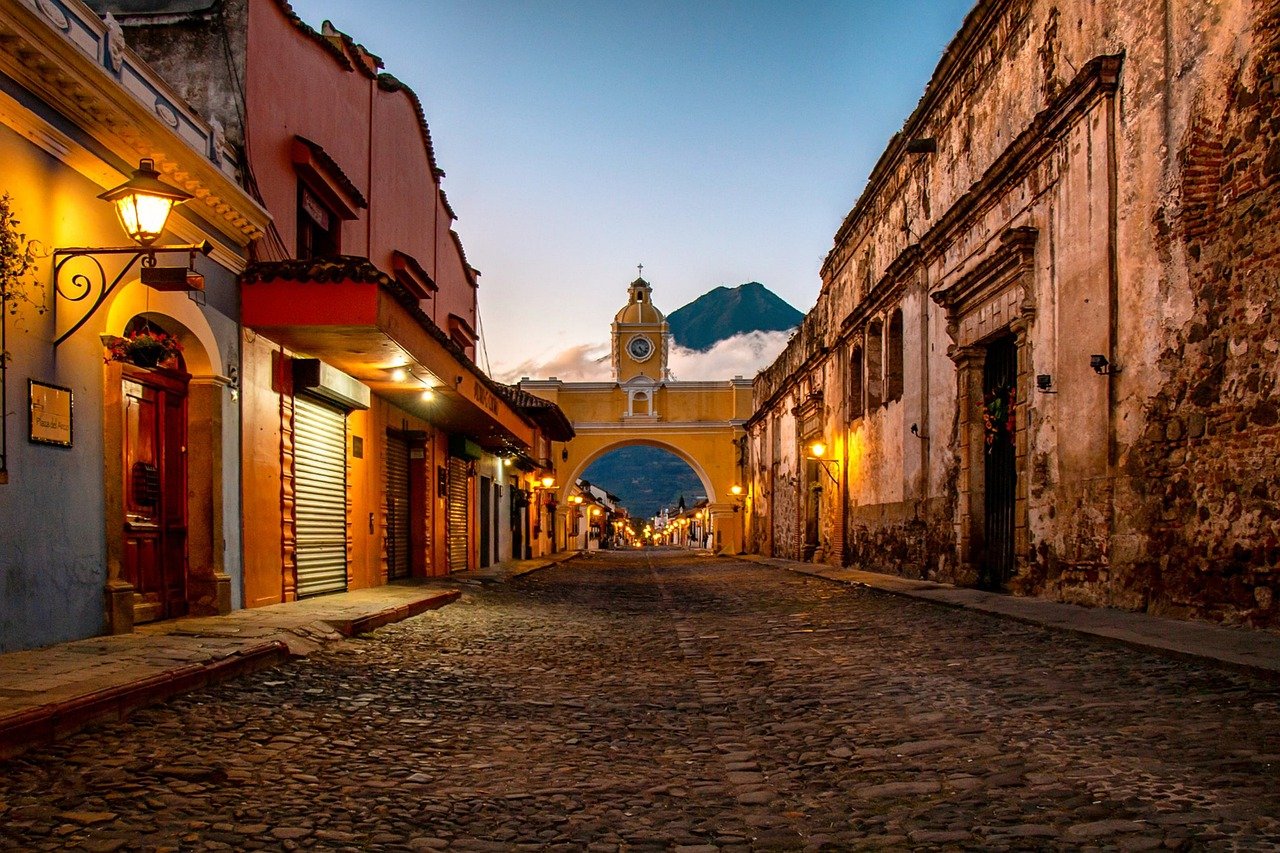
Guatemala City
Guatemala
Guatemala City, the capital of Guatemala, is located in the central part of the country and serves as its political, economic, and cultural center. Founded in 1776, Guatemala City is the largest city in Central America and a significant hub for commerce, culture, and government. The city is home to the Guatemalan government, numerous embassies, and international organizations, making it a key destination for governmental and institutional travel in the region. With its strategic location and regional importance, **Guatemala City is an essential center for high-level diplomatic engagements, government operations, and international conferences**.

Hanoi
Vietnam
Hanoi, the capital city of Vietnam, is a political, economic, and cultural hub with a rich history that spans over a thousand years. As the seat of the government, Hanoi hosts key government institutions, foreign embassies, and international organizations, making it a significant center for diplomacy and international relations in Southeast Asia. With its strategic location in the northern part of the country, Hanoi plays a crucial role in regional and global diplomacy. **Hanoi** is known for its **historical significance**, **cultural diversity**, and **strategic importance** in Southeast Asia.
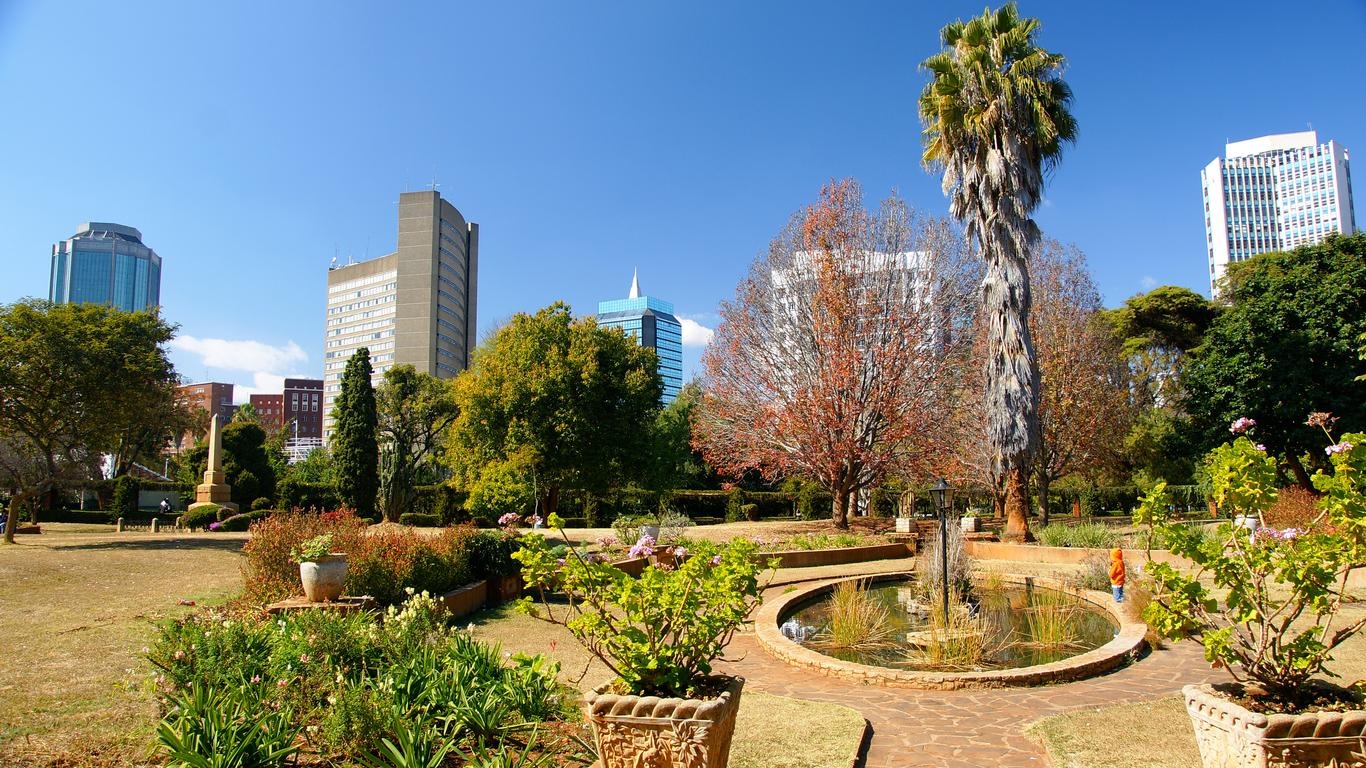
Harare
Zimbabwe
Harare, the capital of Zimbabwe, is located in the northeastern part of the country and serves as the political, economic, and cultural center of the nation. Founded in 1890, Harare has grown into a significant hub for trade, governance, and culture in Southern Africa. The city is home to the Zimbabwean government and numerous international organizations, making it an important destination for governmental and institutional travel in the region. With its strategic location and well-developed infrastructure, Harare is a key center for high-level diplomatic engagements, government operations, and international conferences.

Havana
Cuba
Havana, the capital of Cuba, is located on the island's northwestern coast and serves as its political, economic, and cultural center. Founded in 1519, Havana has grown into a vibrant city known for its rich history, colonial architecture, and dynamic culture. The city is home to the Cuban government, numerous embassies, and international organizations, making it a key destination for governmental and institutional travel in the Caribbean. With its strategic location and historical significance, Havana is an important center for high-level diplomatic engagements, government operations, and international conference.
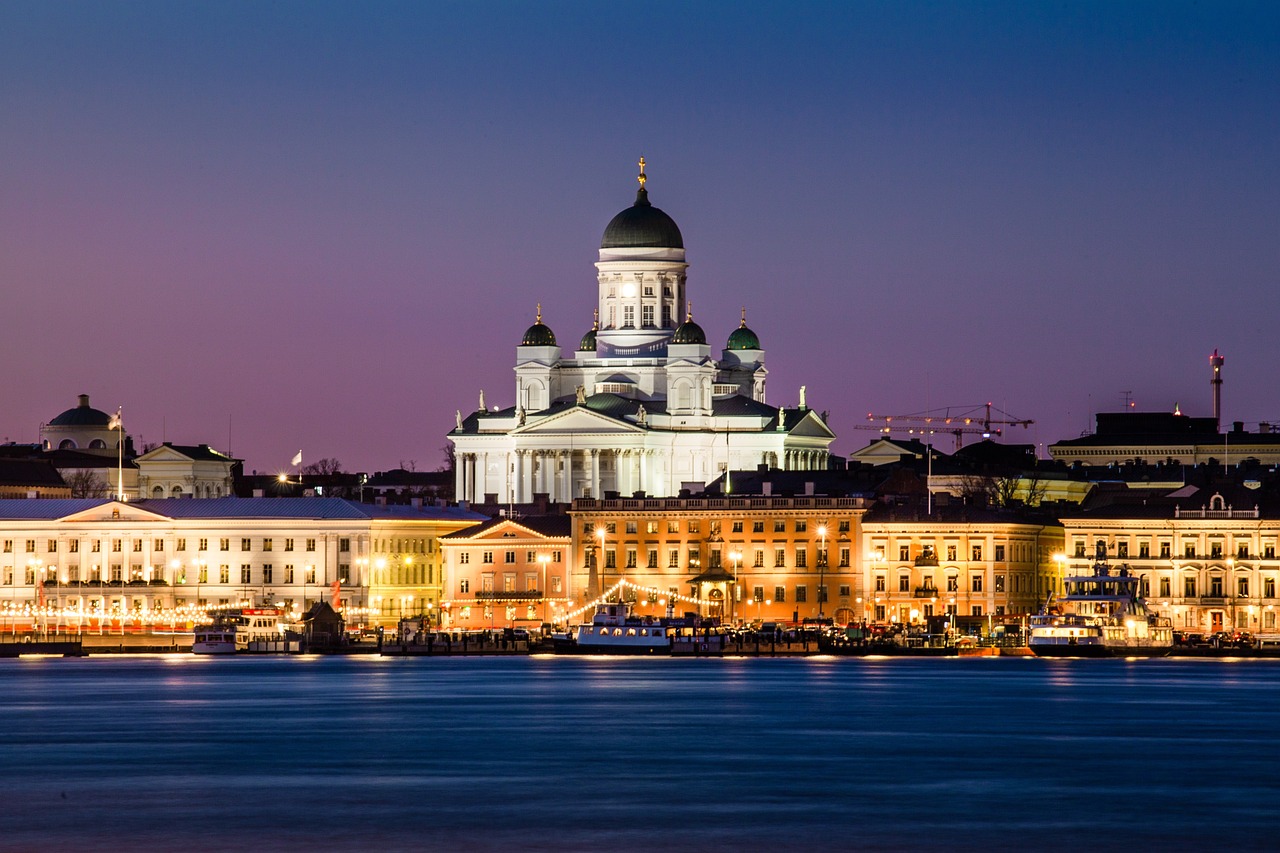
Helsinki
Finland
Helsinki, the capital of Finland, is a city known for its modern architecture, vibrant cultural scene, and commitment to sustainability. Positioned on the shores of the Baltic Sea, Helsinki serves as a key hub for trade, diplomacy, and innovation in Northern Europe. The city's emphasis on technology, education, and environmental stewardship makes it an ideal location for governmental and institutional events.
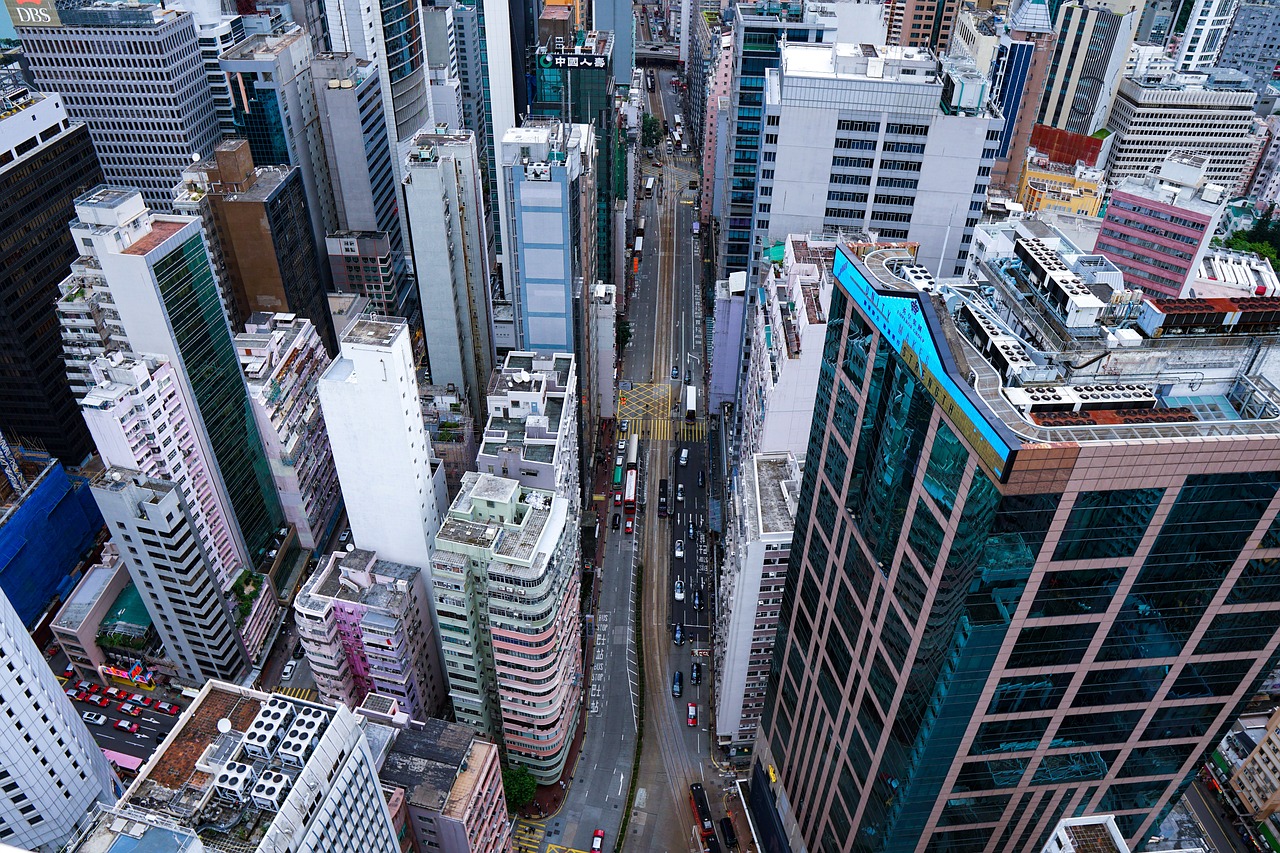
Hong Kong
China
Hong Kong, a Special Administrative Region of China, is one of the world's leading financial centers and a critical hub for international trade and commerce. As a major global city, Hong Kong hosts numerous consulates, international organizations, and corporate headquarters, making it a significant destination for governmental and institutional activities. With its strategic location in Asia, robust economy, and dynamic business environment, Hong Kong is a key player in regional and global affairs. **Hong Kong is renowned for its economic influence, cultural diversity, and strategic importance in international relations and global finance.
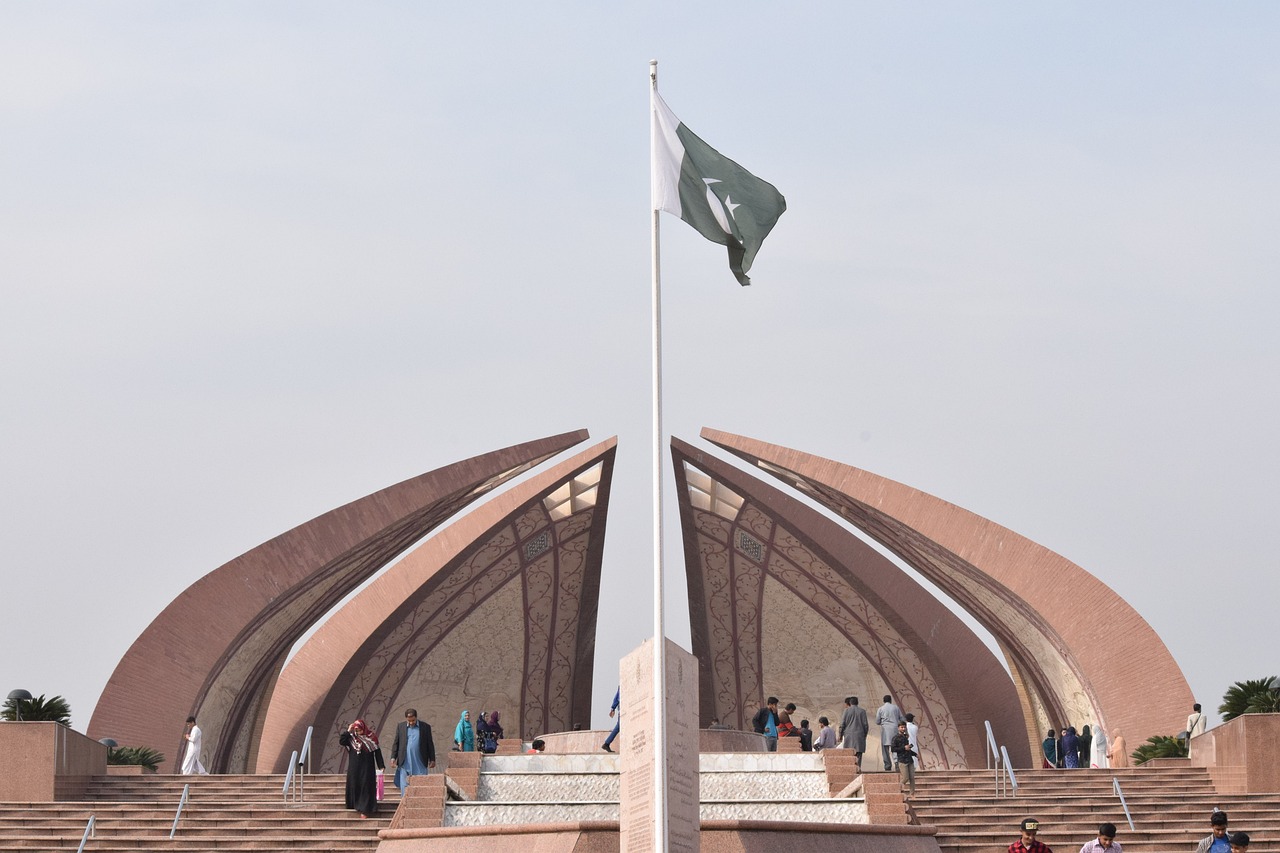
Islamabad
Pakistan
Islamabad, the capital city of Pakistan, is the political and administrative center of the nation. As one of Pakistan's most important cities, Islamabad hosts key government institutions, foreign embassies, and international organizations, making it a significant hub for diplomacy and international relations. With its strategic location near the foothills of the Himalayas and its role as the seat of government, Islamabad plays a crucial role in regional and global diplomacy. Islamabad is known for its planned urban design, political importance, and role in fostering international cooperation in South Asia.
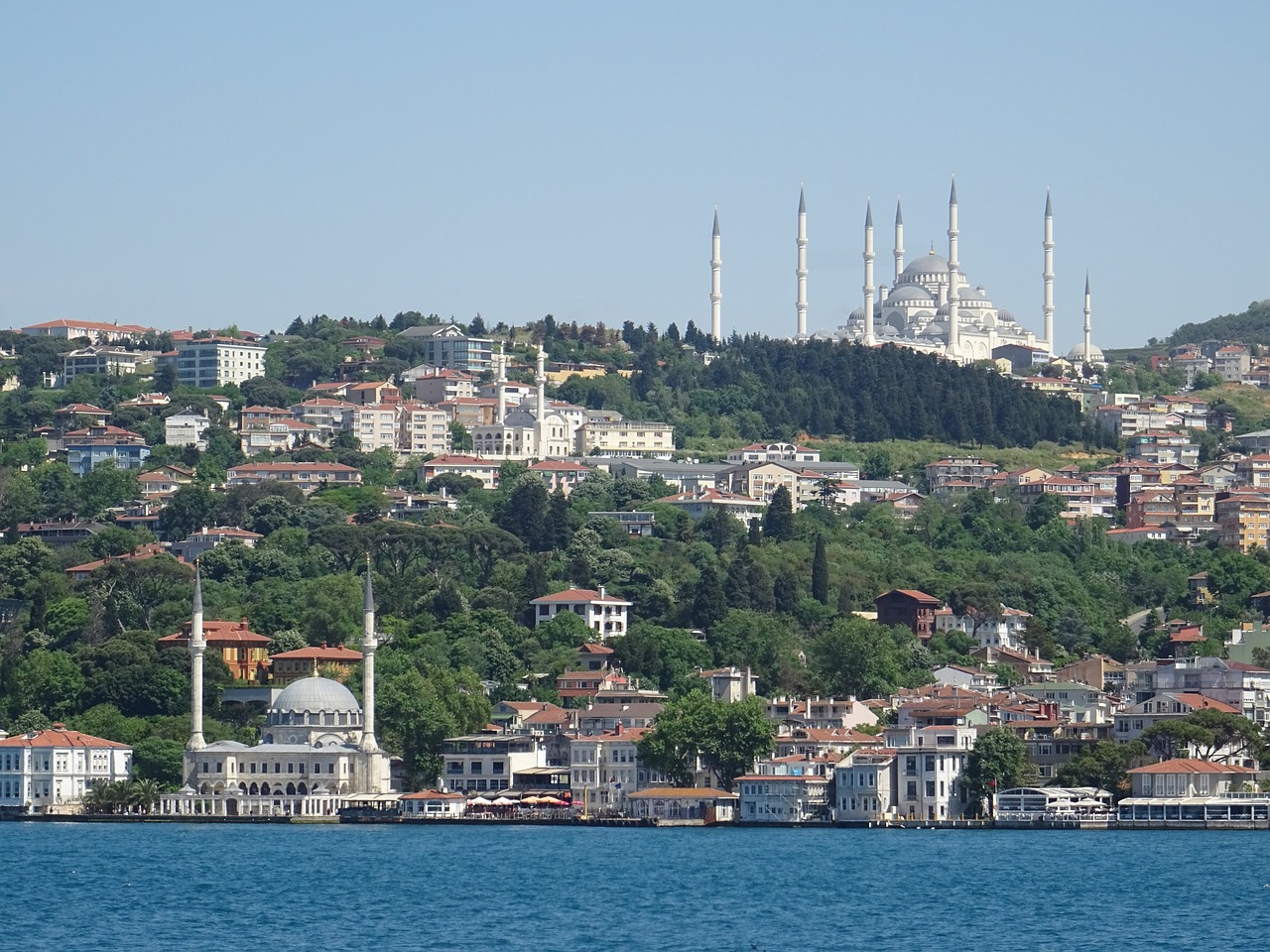
Istanbul
Turkey
Istanbul, the largest city in Turkey, is a major cultural and economic hub that straddles Europe and Asia across the Bosphorus Strait. As a city with a rich history that has served as the capital of empires, Istanbul is pivotal in regional diplomacy and international relations. The city is home to key cultural landmarks, government institutions, foreign consulates, and international organizations, making it an essential destination for governmental and institutional visits. Istanbul's strategic location and its role as a bridge between continents further highlight its importance as a hub for high-level diplomatic engagements and global events.
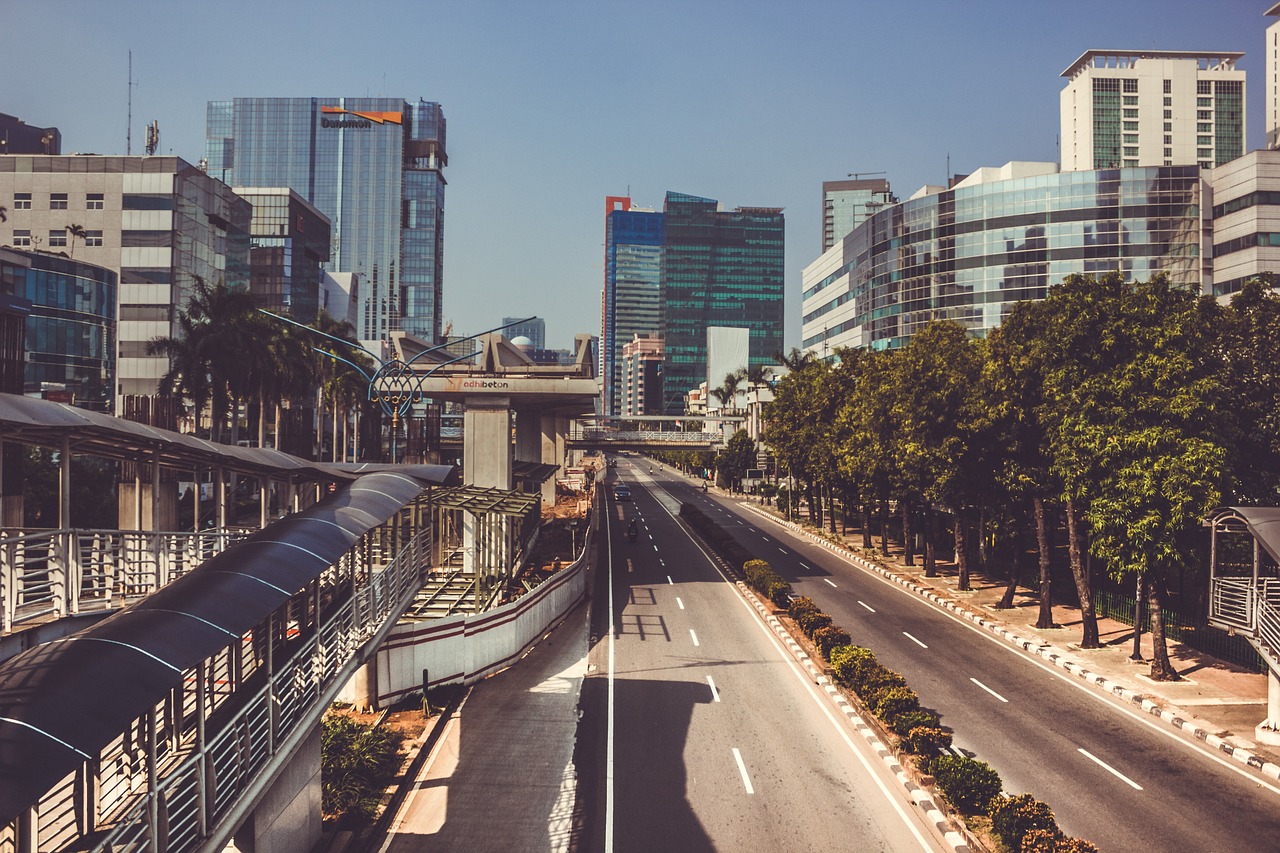
Jakarta
Indonesia
Jakarta, the capital city of Indonesia, is a bustling metropolis that serves as the political, economic, and cultural hub of the nation. As the largest city in Southeast Asia, Jakarta hosts key government institutions, foreign embassies, and international organizations, making it an important center for diplomacy and international relations. With its strategic location and rapidly growing economy, Jakarta plays a significant role in regional and global diplomacy. Jakarta is known for its economic dynamism, cultural richness, and strategic importance in Southeast Asia and beyond.

Jerusalem
Israel
Jerusalem, the capital of Israel, is one of the most historically and religiously significant cities in the world. It is a focal point for the three major Abrahamic religions: Judaism, Christianity, and Islam. As a center of political power and cultural heritage, Jerusalem plays a vital role in the region's geopolitics and international relations. The city is home to key government institutions, foreign embassies, and international organizations, making it a crucial destination for governmental and institutional visits.

Juba
South Sudan
Juba, the capital of South Sudan, is located on the White Nile and serves as the political, economic, and cultural heart of the country. Founded in the early 20th century, Juba has grown rapidly, especially after South Sudan gained independence in 2011. As a central hub for government operations and international organizations, Juba plays a crucial role in governmental and institutional travel in East Africa, offering a strategic location for high-level diplomatic engagements, peacebuilding initiatives, and development conferences.

Kabul
Afghanistan
Kabul, the capital of Afghanistan, is a city with a deep history and a strategic role in Central Asia. Despite security challenges, Kabul remains a key point for diplomacy and international operations. The city has been the site of numerous initiatives for the stabilization and reconstruction of the country, serving as a crucial venue for peace negotiations and dialogues. The political significance of Kabul and its geopolitical position make it a critical destination for governmental and institutional travel.