
GDN Destination profiles
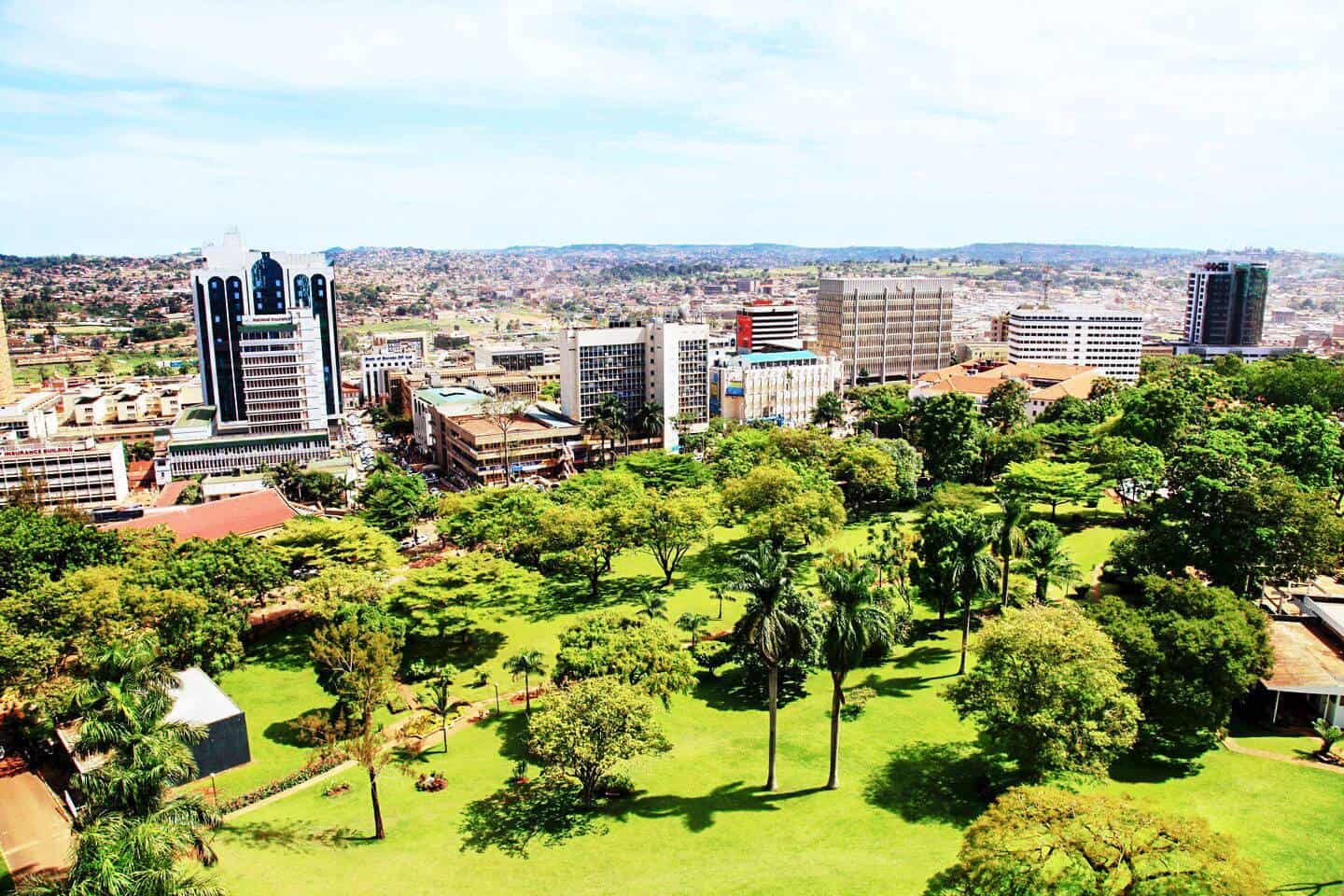
Kampala
Uganda
Kampala, the capital of Uganda, is located on the northern shores of Lake Victoria and serves as the political, economic, and cultural center of the country. Founded in the 19th century, Kampala has grown into a bustling metropolis that is central to the governance and development of Uganda. The city is home to the Ugandan government and numerous international organizations, making it an important destination for governmental and institutional travel in East Africa. With its strategic location and ongoing infrastructural development, Kampala is a key center for high-level diplomatic engagements, government operations, and international conferenceS.

Kathmandu
Nepal
Kathmandu, the capital city of Nepal, is the political, economic, and cultural heart of the nation. As the largest city in Nepal, Kathmandu hosts key government institutions, foreign embassies, and international organizations, making it a significant hub for diplomacy and international relations. With its strategic location in the Himalayas and its rich cultural heritage, Kathmandu plays a crucial role in regional and global diplomacy. Kathmandu is known for its historical significance, cultural richness, and strategic importance** in South Asia.
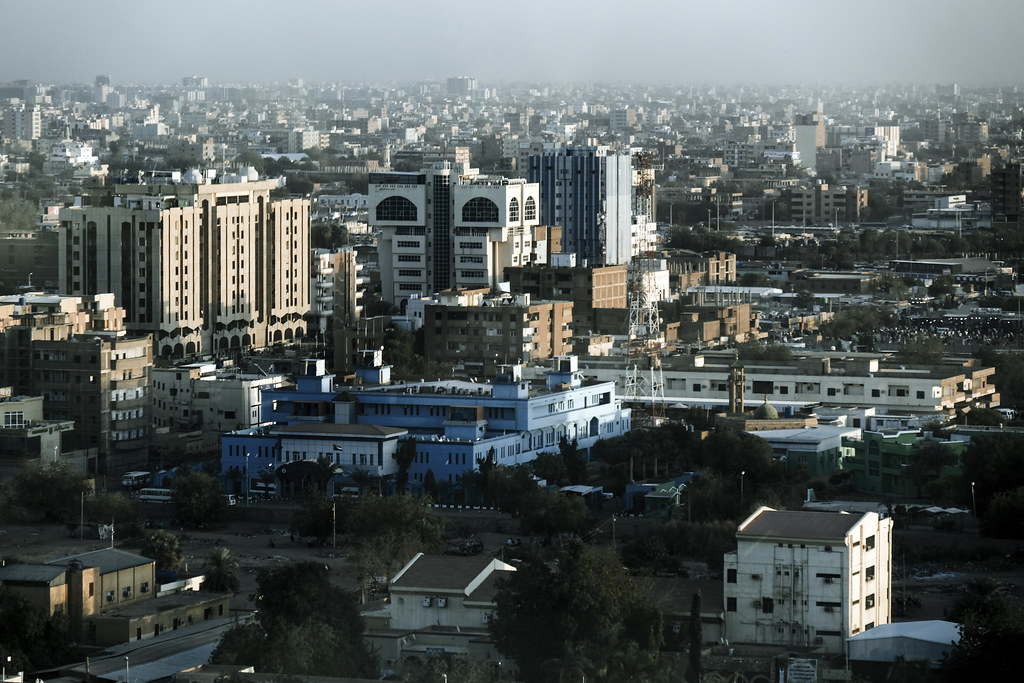
Khartoum
Sudan
Khartoum, the capital of Sudan, is a historic city located at the confluence of the Blue and White Nile rivers. Founded in 1821, Khartoum has long been a center of trade and governance in Northeast Africa. Today, it serves as the political, economic, and cultural heart of Sudan, and plays a significant role in regional diplomacy and international relations. With its strategic location and ongoing infrastructural developments, Khartoum is an important destination for governmental and institutional travel, offering a unique setting for high-level diplomatic engagements and conferences.

Kiev
Ukraine
Kyiv, the capital of Ukraine, is a city rich in history and culture, often considered the cradle of Slavic civilization. Located on the banks of the Dnipro River, Kyiv is not only the political and economic center of Ukraine but also a significant hub for international diplomacy in Eastern Europe. The city is known for its stunning architecture, including historical churches, and its vibrant cultural scene. Kyiv plays a crucial role in regional and international diplomacy, regularly hosting high-level governmental meetings and conferences. The city's modern infrastructure and strategic location make it an ideal destination for governmental and institutional travel, especially in the context of its role in European security and cooperation.
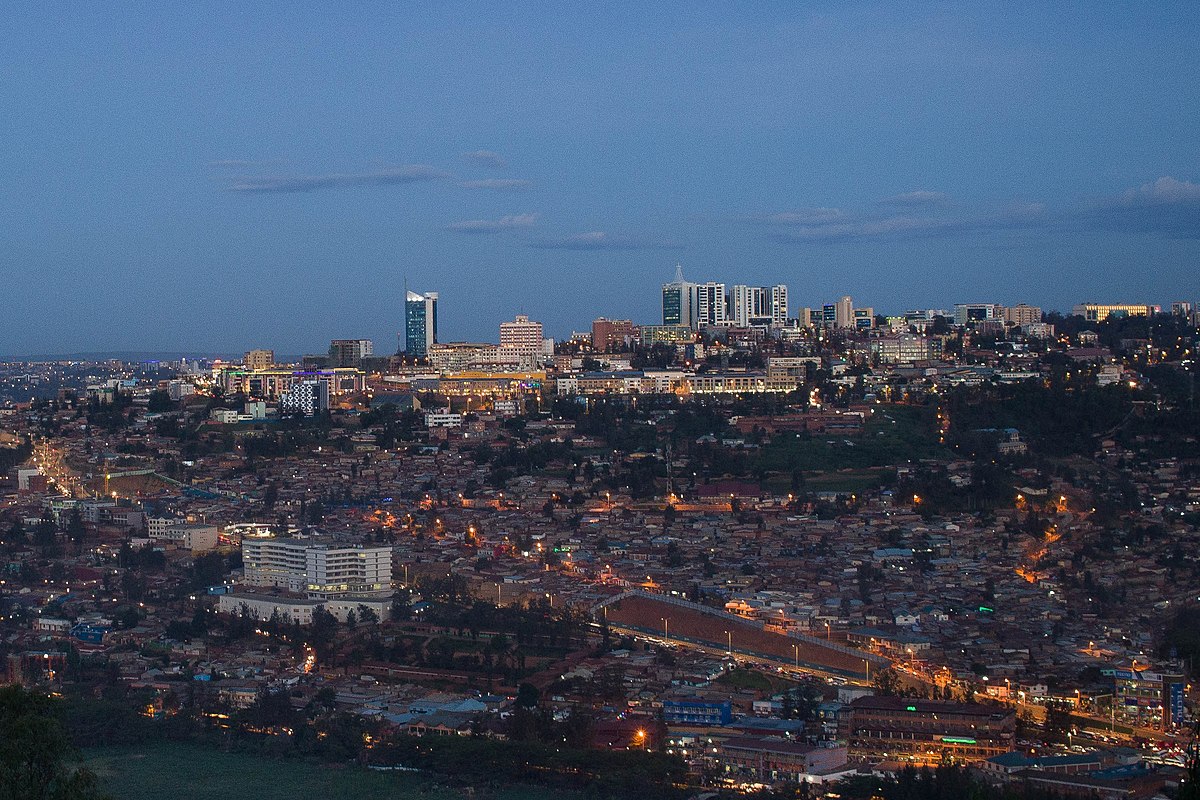
Kigali
Rwanda
Kigali, the capital and largest city of Rwanda, is located near the geographic center of the country. As the political, economic, and cultural heart of Rwanda, Kigali plays a significant role in East African diplomacy and international relations. The city is known for its cleanliness, modern infrastructure, and its strategic importance as a hub for governance and trade in the region. Kigali's location and influence in regional affairs make it an essential destination for governmental and institutional travel, particularly for discussions on development, security, and regional cooperation in East Africa.
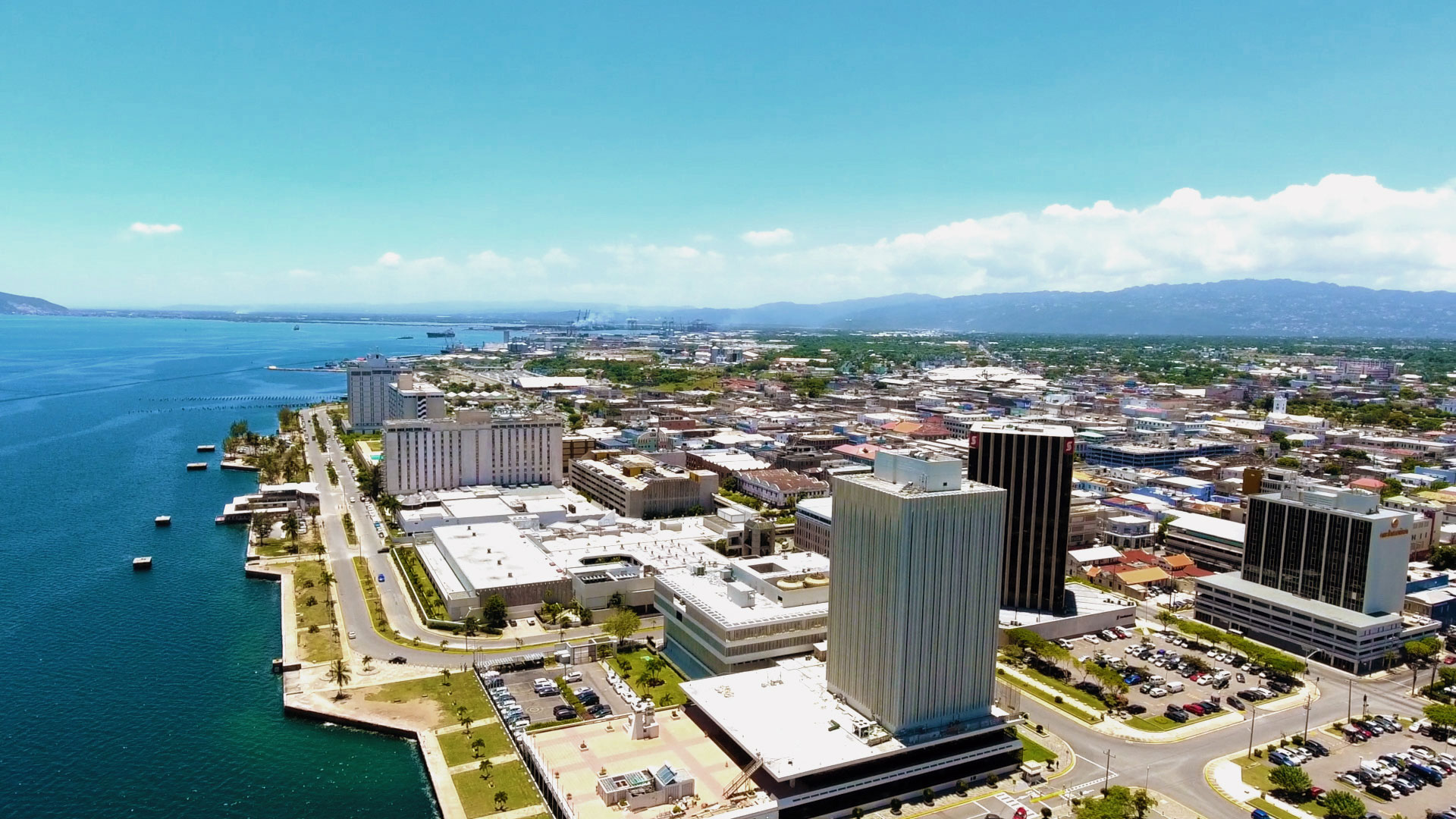
Kingston
Jamaica
Kingston, the capital of Jamaica, is located on the southeastern coast of the island and serves as its political, economic, and cultural center. Founded in 1692, Kingston is known for its rich history, vibrant culture, and strategic importance in the Caribbean. The city is home to the Jamaican government, numerous embassies, and international organizations, making it a key destination for governmental and institutional travel in the region. With its strategic location and regional influence, Kingston is an essential center for high-level diplomatic engagements, government operations, and international conferences.
Kingstown
St. Vincent & Grenadines
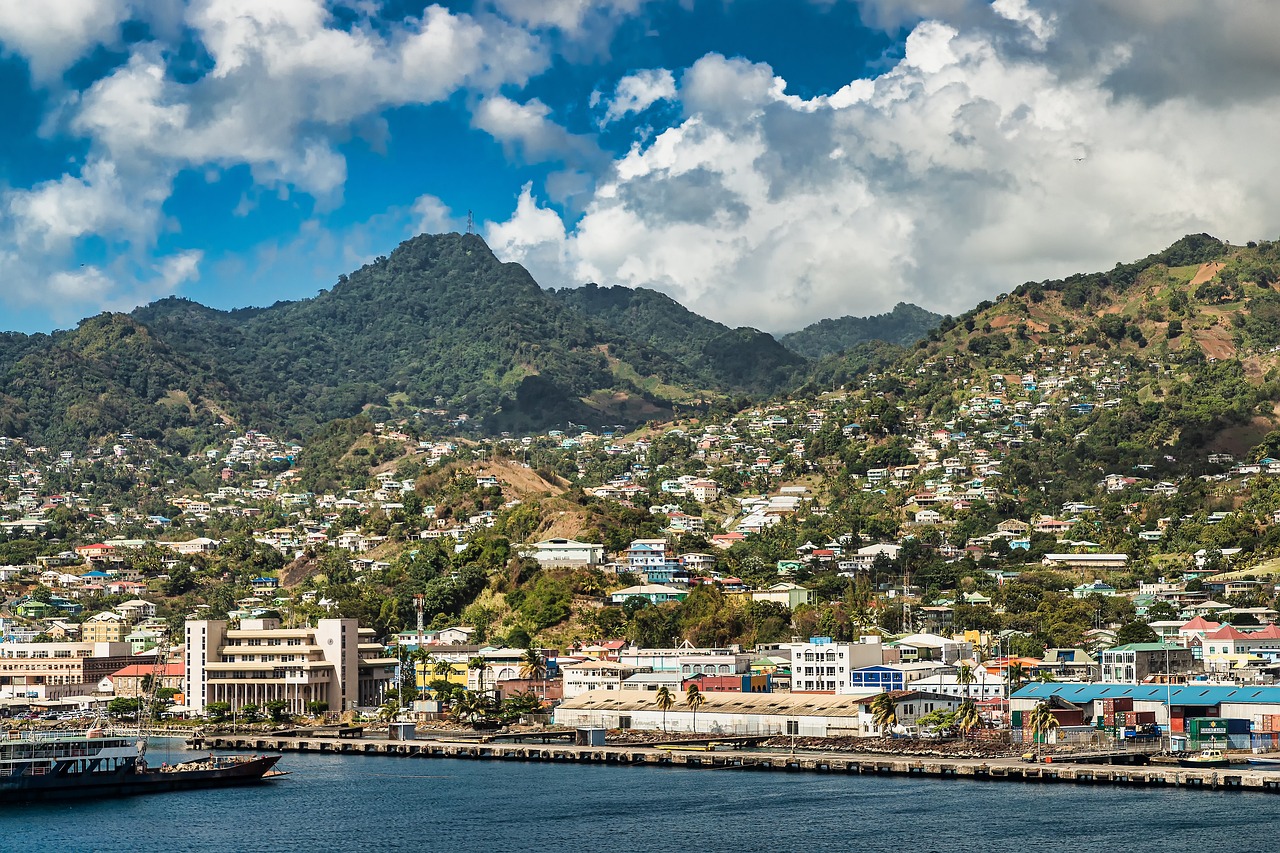
Kingstown, the capital of Saint Vincent and the Grenadines, is located on the southwestern coast of Saint Vincent Island and serves as the political, economic, and cultural center of the country. Founded in 1765, Kingstown is known for its colonial architecture, picturesque harbor, and strategic importance in the Caribbean region. The city is home to the government of Saint Vincent and the Grenadines, several embassies, and international organizations, making it a key destination for governmental and institutional travel in the Caribbean. With its historical charm and regional influence, Kingstown is an essential center for high-level diplomatic engagements, government operations, and international conferences.
Kinshasa
Dem.Rep. Congo
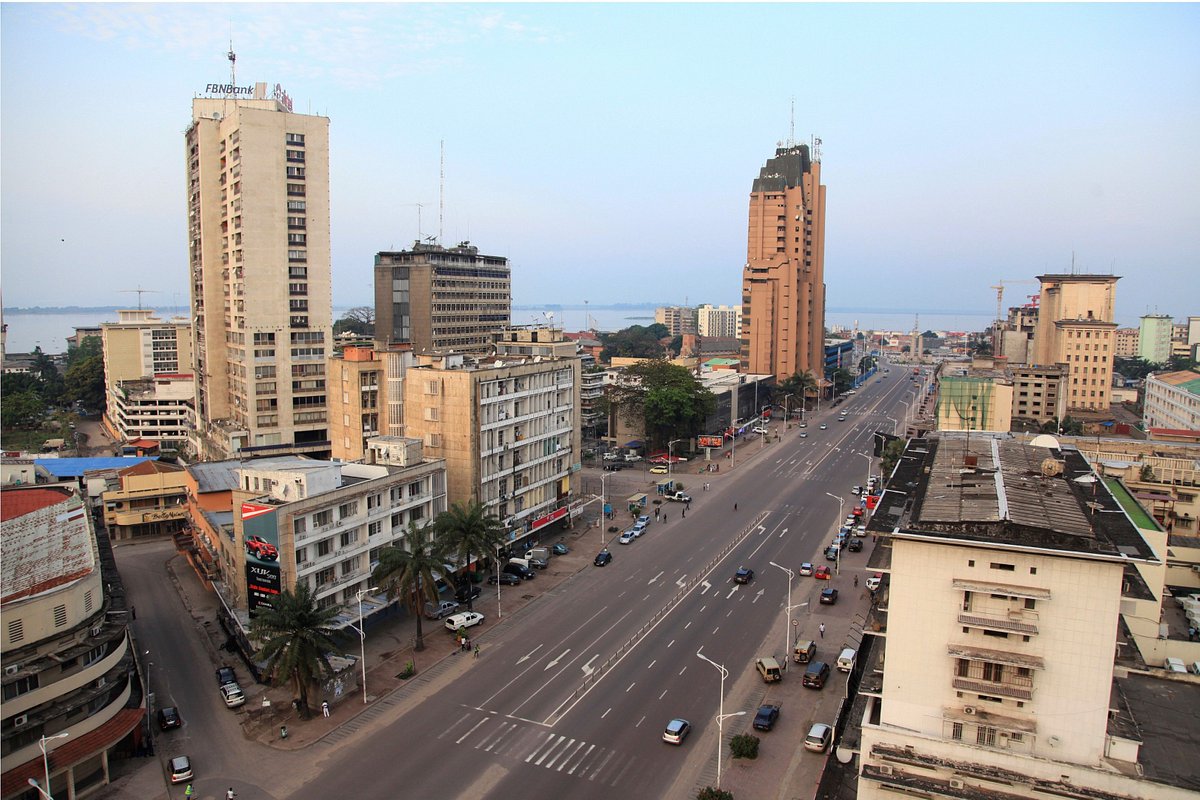
Kinshasa, the capital and largest city of the Democratic Republic of the Congo (DRC), is located on the banks of the Congo River in the western part of the country. As the political, economic, and cultural center of the DRC, Kinshasa plays a critical role in Central African diplomacy and international relations. The city is known for its vibrant culture, dynamic music scene, and its strategic importance as a hub for governance in one of Africa's largest countries. Kinshasa's location and influence in regional affairs make it an essential destination for governmental and institutional travel, particularly for discussions on security, development, and regional cooperation in Central Africa.
Kuala Lumpur
Malaysia
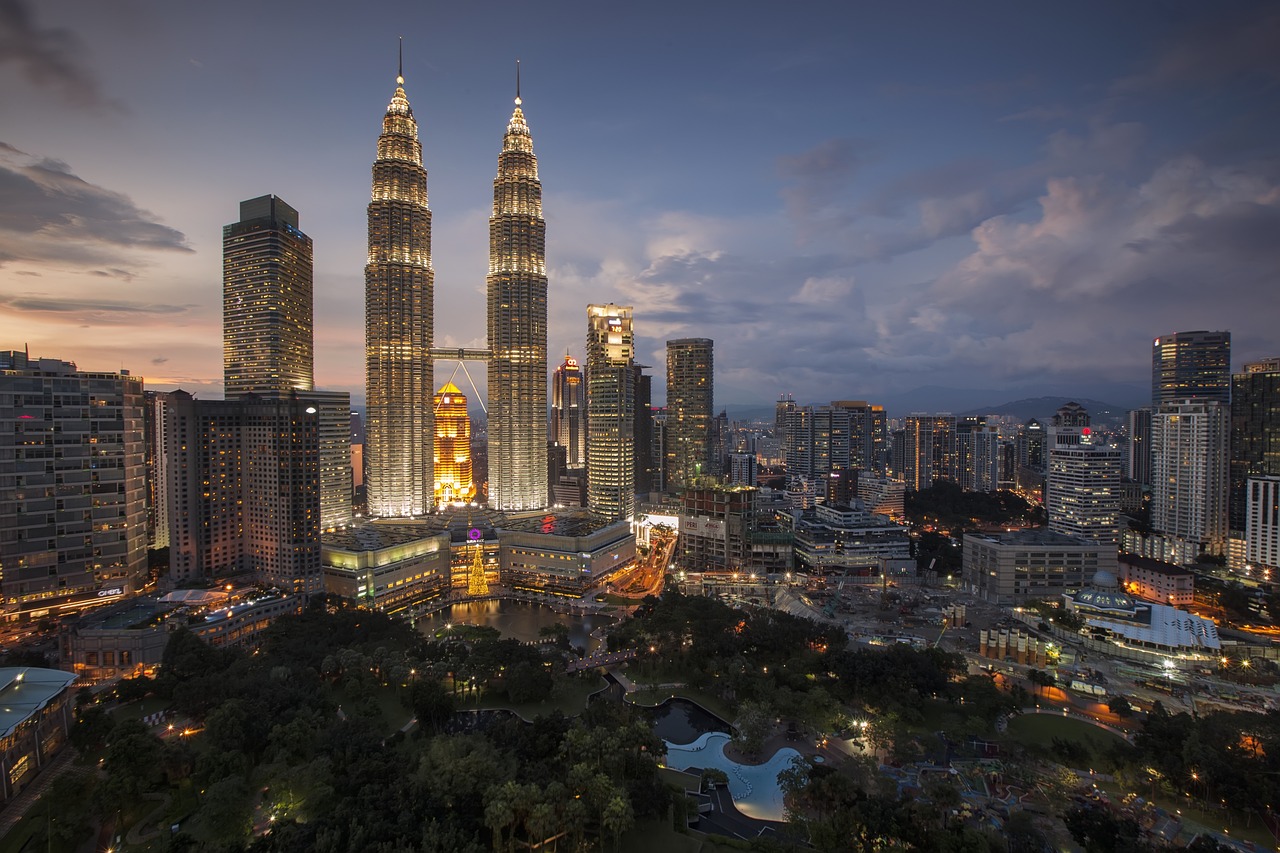
Kuala Lumpur, the capital city of Malaysia, is a bustling metropolis that serves as the political, economic, and cultural center of the nation. As one of the most important cities in Southeast Asia, Kuala Lumpur hosts key government institutions, foreign embassies, and international organizations, making it a significant hub for diplomacy and international relations. With its strategic location and rapidly growing economy, Kuala Lumpur plays a crucial role in regional and global diplomacy. Kuala Lumpur is known for its economic vitality, cultural diversity, and strategic importance in Southeast Asia and beyond.
Kuwait
Kuwait
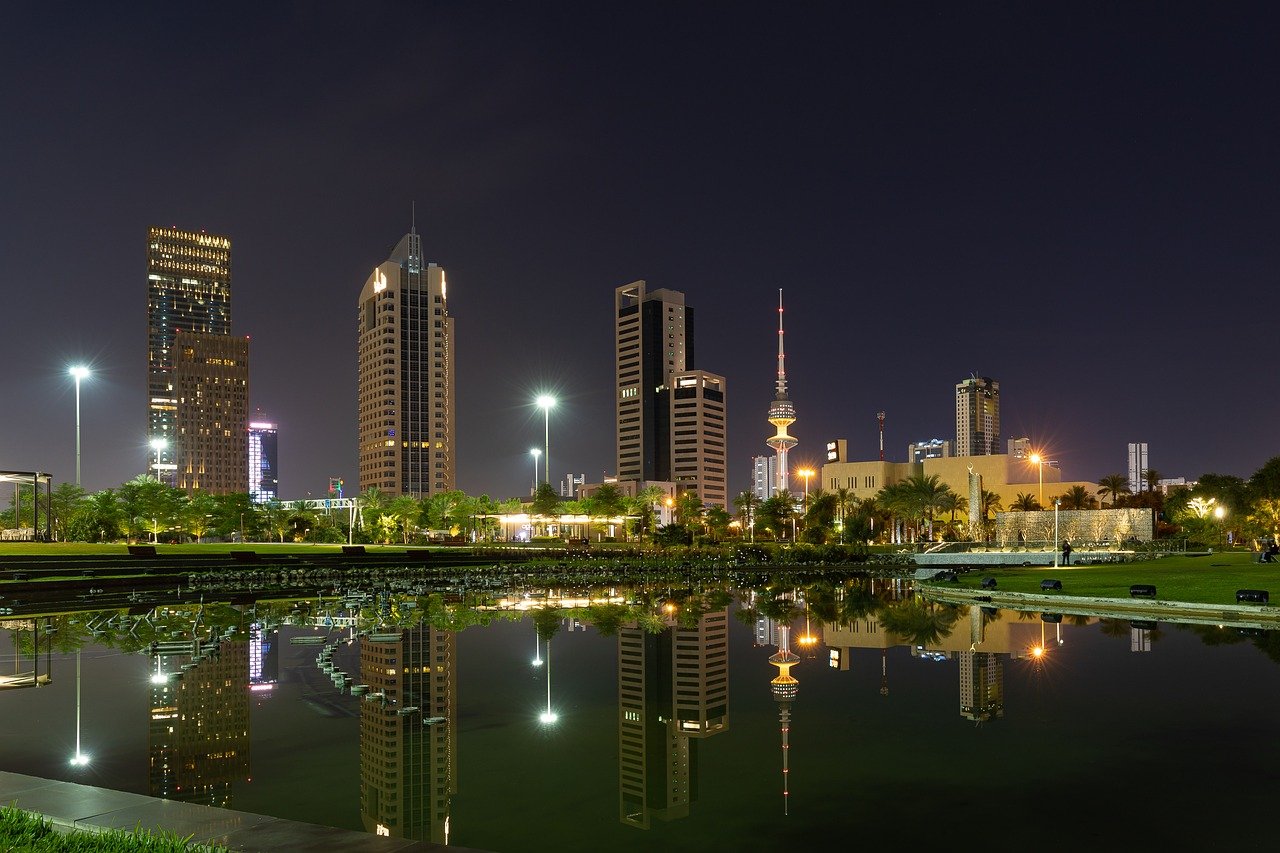
Kuwait City, the capital of Kuwait, is a modern metropolis that plays a significant role in the Middle East's political and economic landscape. As the political, economic, and cultural center of Kuwait, the city is a key player in regional diplomacy and international relations. Kuwait City is home to important government institutions, foreign embassies, and international organizations, making it an essential destination for governmental and institutional visits. The city's strategic location on the Persian Gulf further enhances its importance as a hub for high-level diplomatic engagements and business activities.

La Paz
Bolivia
La Paz, the administrative capital of Bolivia, is located in the western part of the country and serves as a key political, economic, and cultural center. Founded in 1548, La Paz is one of the highest capital cities in the world, situated at an altitude of approximately 3,650 meters above sea level. The city is home to the Bolivian government and several international organizations, making it a key destination for governmental and institutional travel in the region. With its strategic location in the Andes and its well-developed infrastructure, La Paz is an important center for high-level diplomatic engagements, government operations, and international conferences.
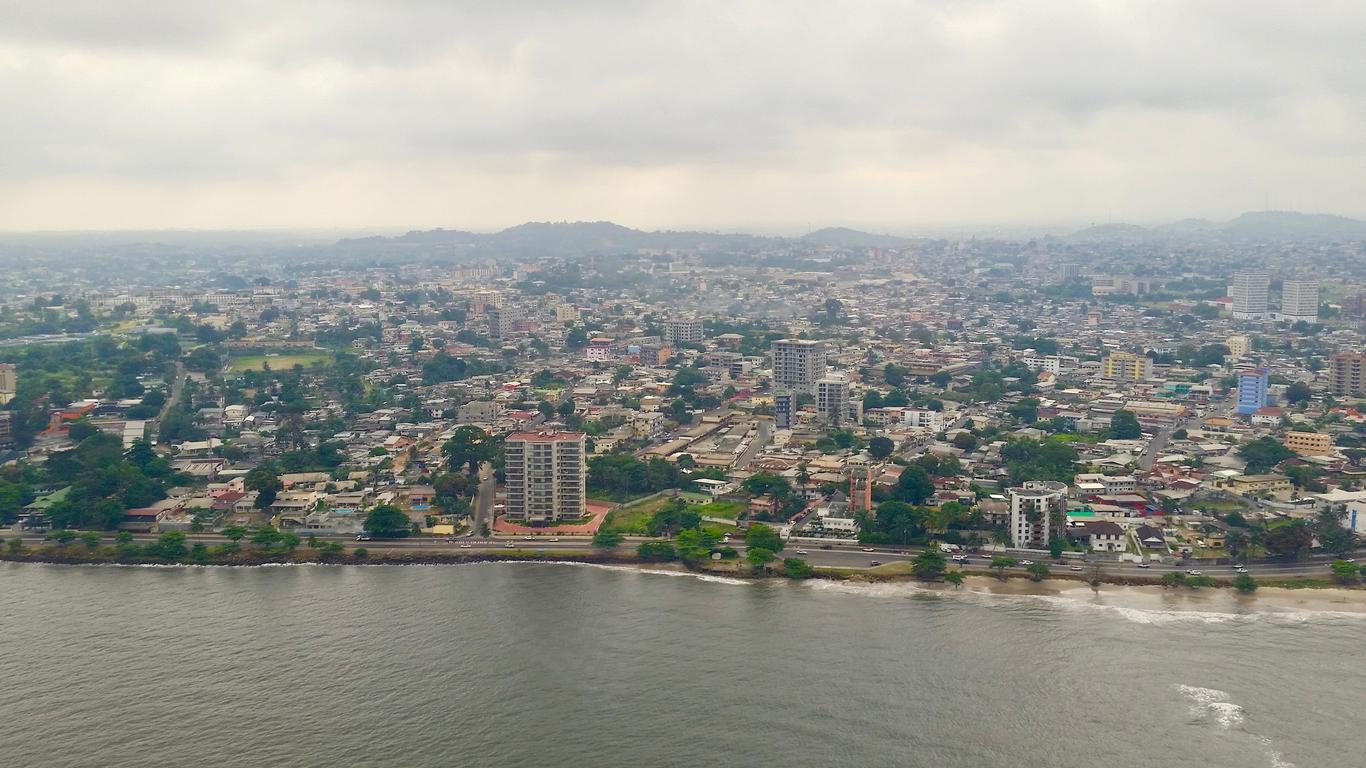
Libreville
Gabon
Libreville, the capital and largest city of Gabon, is located on the Komo River near the Gulf of Guinea. As the political, economic, and cultural center of Gabon, Libreville plays a significant role in Central African diplomacy and international relations. The city is known for its modern infrastructure, lush greenery, and its status as one of the wealthiest cities in Africa due to Gabon's oil wealth. Libreville's strategic location and its growing influence in regional and international affairs make it an essential destination for governmental and institutional travel, particularly for discussions on environmental conservation, economic development, and regional stability.