
GDN Destination profiles
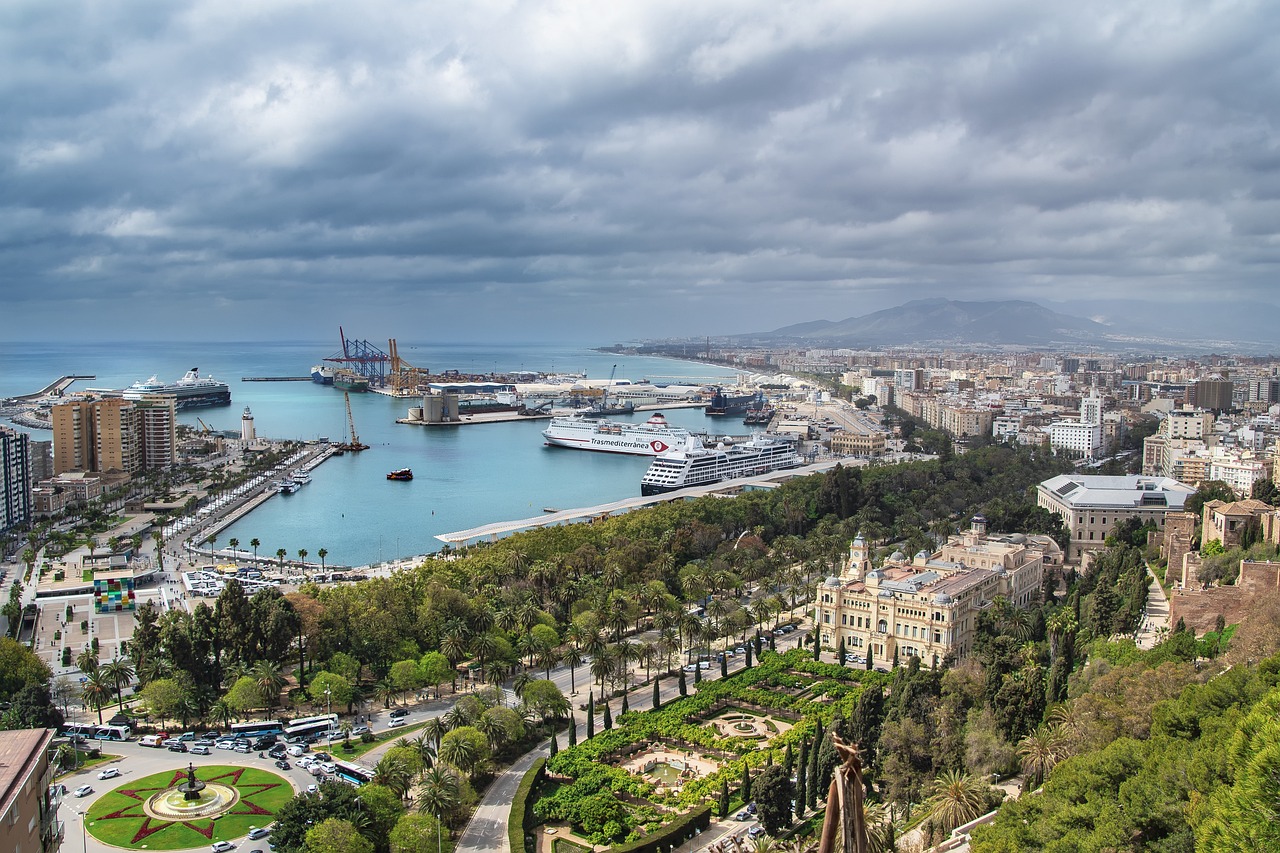
Malaga
Spain
Malaga, a major city in southern Spain, is renowned for its rich history, vibrant culture, and strategic economic significance. As one of the most important ports on the Mediterranean, Malaga has long been a center of commerce and international trade. Today, it is also recognized as a growing hub for tourism, innovation, and international diplomacy, making it an attractive destination for governmental and institutional events.

Male
Maldives
Male, the capital city of the Maldives, is the political, economic, and cultural heart of the nation. As the most important city in the Maldives, Male hosts key government institutions, foreign embassies, and international organizations, making it a significant center for diplomacy and international relations. With its strategic location in the Indian Ocean and its role as the gateway to the Maldives' renowned resorts, Male plays a crucial role in regional and global diplomacy. Male is known for its strategic maritime importance, **tourism-driven economy, and role in fostering international cooperation.

Managua
Nicaragua
Managua, the capital of Nicaragua, is located on the southwestern shore of Lake Managua and serves as the political, economic, and cultural center of the country. Founded in the mid-19th century, Managua has grown into the largest city in Nicaragua, known for its history, resilience, and economic significance. The city is home to the Nicaraguan government, numerous embassies, and international organizations, making it a key destination for governmental and institutional travel in Central America. With its strategic location and growing influence, Managua is an essential center for high-level diplomatic engagements, government operations, and international conferences.
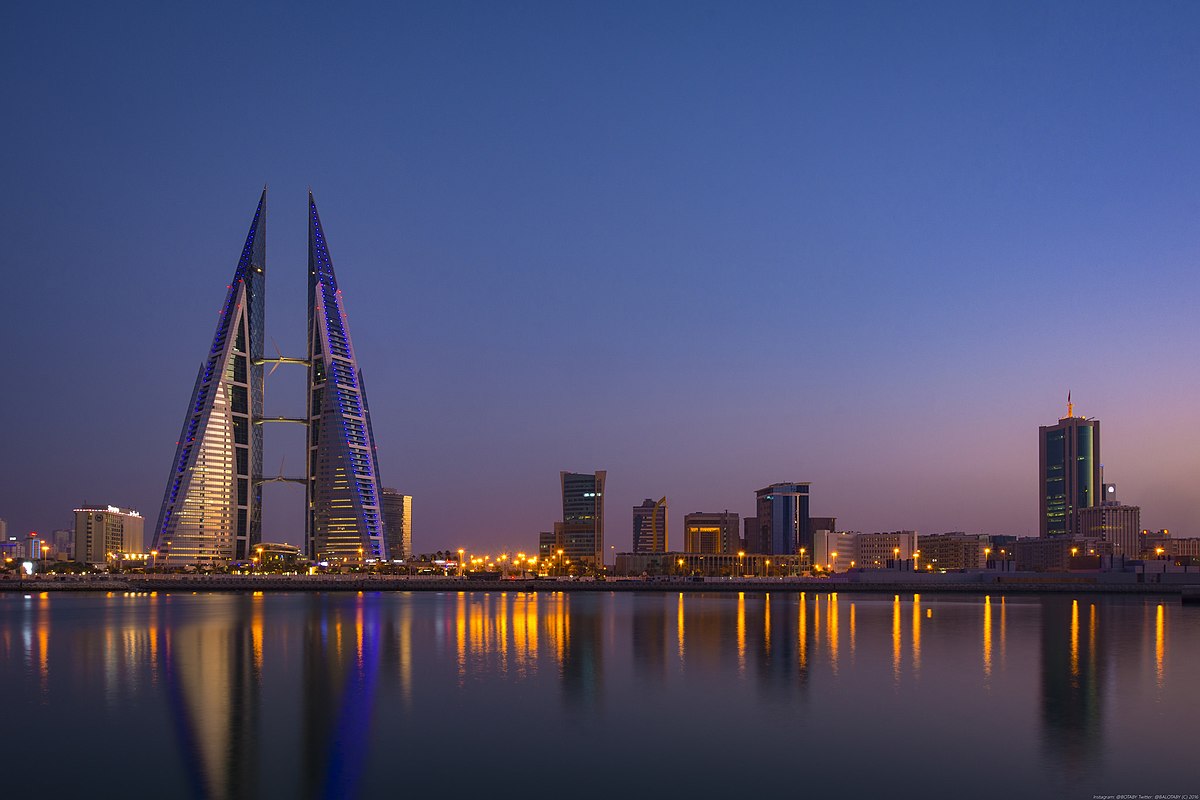
Manama
Bahrain
Manama, the capital of Bahrain, is located on the northeastern coast of the island and serves as the political, economic, and cultural center of the country. With a history dating back to ancient times, Manama is known for its modern skyline, vibrant economy, and strategic importance in the Gulf region. The city is home to the Bahraini government, numerous embassies, and international organizations, making it a key destination for governmental and institutional travel in the Middle East. With its significant role in regional and global affairs, Manama is an essential center for high-level diplomatic engagements, government operations, and international conferences.
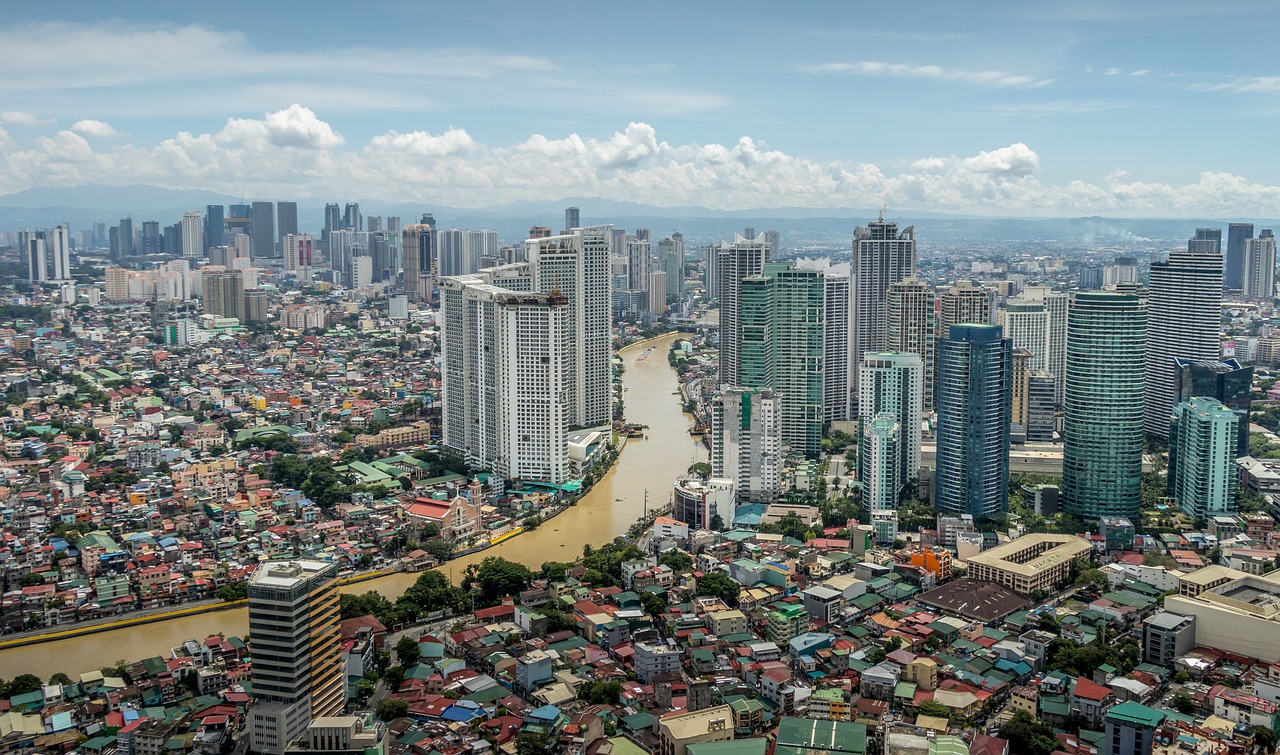
Manila
Philippines
Manila, the capital city of the Philippines, is a bustling metropolis that serves as the political, economic, and cultural heart of the country. As a major city in Southeast Asia, Manila hosts numerous government institutions, foreign embassies, and international organizations, making it a significant destination for governmental and institutional activities. With its strategic location in the Asia-Pacific region and its growing economy, Manila plays a crucial role in regional diplomacy and international relations. Manila is known for its economic vitality, cultural richness, and strategic importance in regional and global diplomacy.
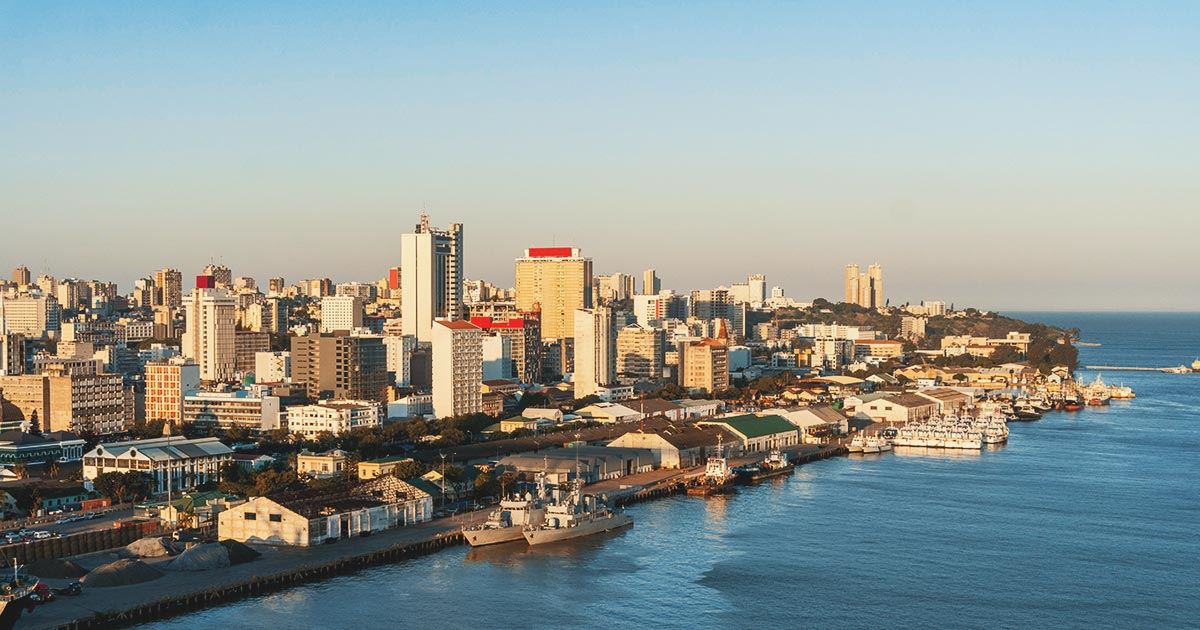
Maputo
Mozambique
Maputo, the capital and largest city of Mozambique, is located on the southern coast of the country along the Indian Ocean. As the political, economic, and cultural center of Mozambique, Maputo plays a significant role in Southern African diplomacy and international relations. The city is known for its vibrant culture, colonial architecture, and its strategic importance as a port city in the region. Maputo's location and its influence in regional affairs make it an essential destination for governmental and institutional travel, particularly for discussions on trade, development, and regional security in Southern Africa.

Marseille
France
Marseille, located on the southern coast of France, is a city known for its rich history, cultural diversity, and strategic importance as a major Mediterranean port. As the second-largest city in France, Marseille serves as a key hub for trade, maritime activities, and international relations. The city's dynamic economy and multicultural environment make it an attractive destination for governmental and institutional events.
Maseru
Lesotho
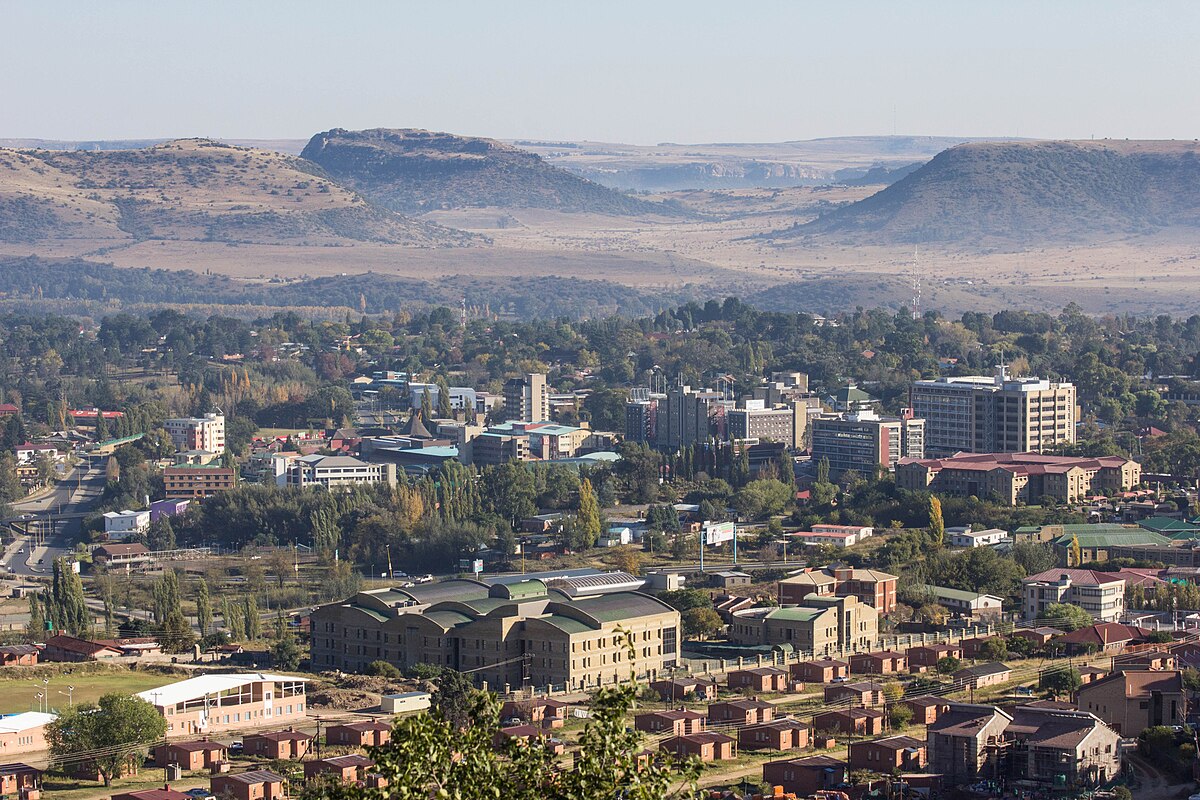
Maseru, the capital and largest city of Lesotho, is located on the western border with South Africa, along the Caledon River. As the political, economic, and cultural center of Lesotho, Maseru plays a significant role in Southern African diplomacy and international relations. The city is known for its blend of traditional Basotho culture and modern urban development. Maseru's strategic location, along with its growing influence in regional affairs, makes it an essential destination for governmental and institutional travel, particularly for discussions on economic development, peace, and security in Southern Africa.
Mbabane
Eswatini
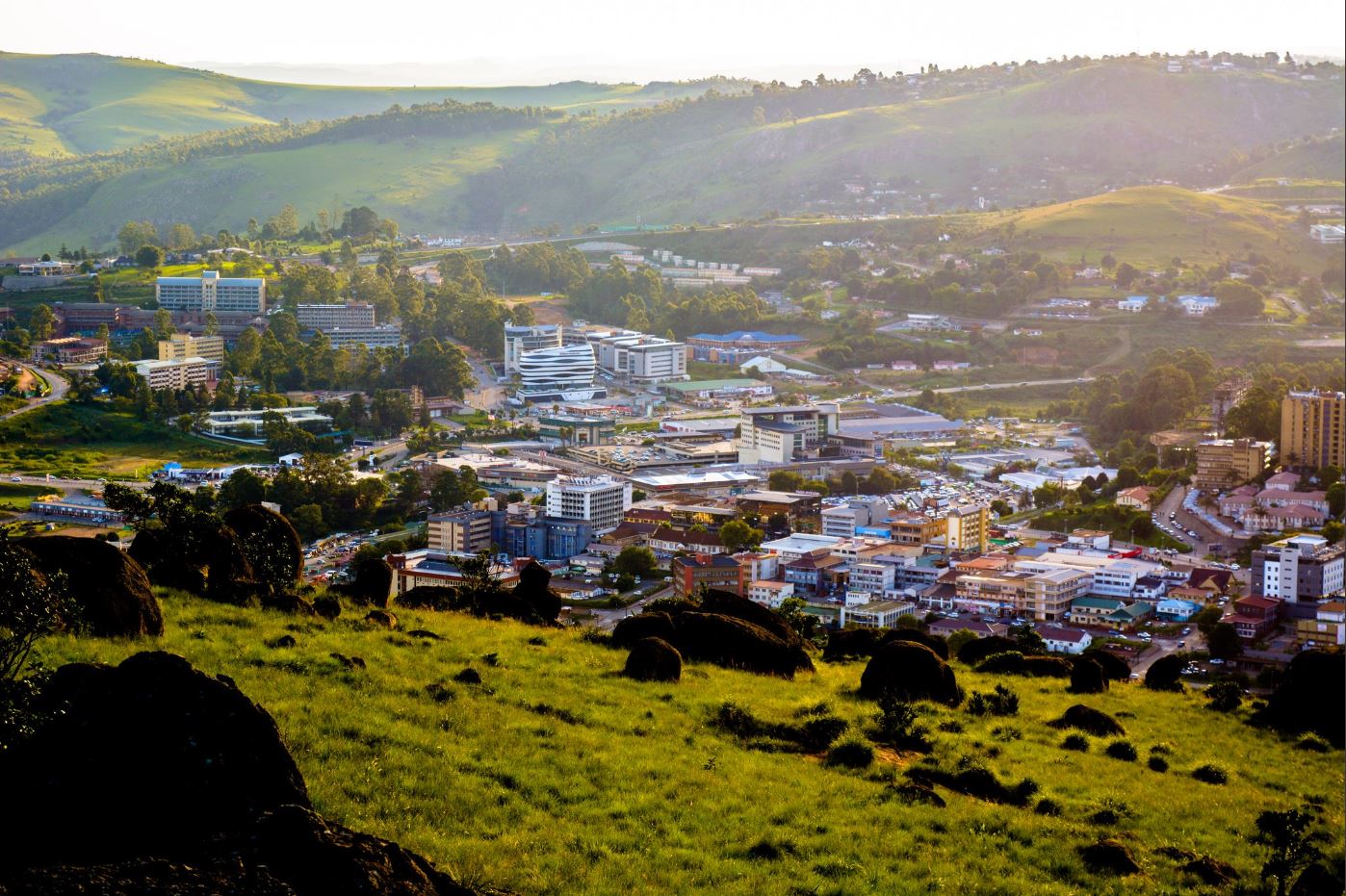
Mbabane, the capital and largest city of Eswatini (formerly Swaziland), is located in the western part of the country in the Mdzimba Mountains. As the political and administrative center of Eswatini, Mbabane plays a crucial role in Southern African diplomacy and international relations. The city is known for its picturesque setting and moderate climate, as well as its importance as a center of government and commerce in Eswatini. Mbabane's strategic location, along with its growing influence in regional affairs, makes it an important destination for governmental and institutional travel, particularly for discussions on development, peace, and security in Southern Africa.

Medellin
Colombia
Medellin, located in the Aburra Valley in the Andes mountains, is the second-largest city in Colombia and serves as a major economic, cultural, and political center. Founded in 1616, Medellin has transformed into a vibrant metropolis known for its innovation, education, and rich cultural heritage. The city is home to important governmental institutions, consulates, and international organizations, making it a key destination for governmental and institutional travel in the region. With its strategic location and well-developed infrastructure, Medellin is an important center for high-level diplomatic engagements, government operations, and international conferences.
Mexico City
Mexico
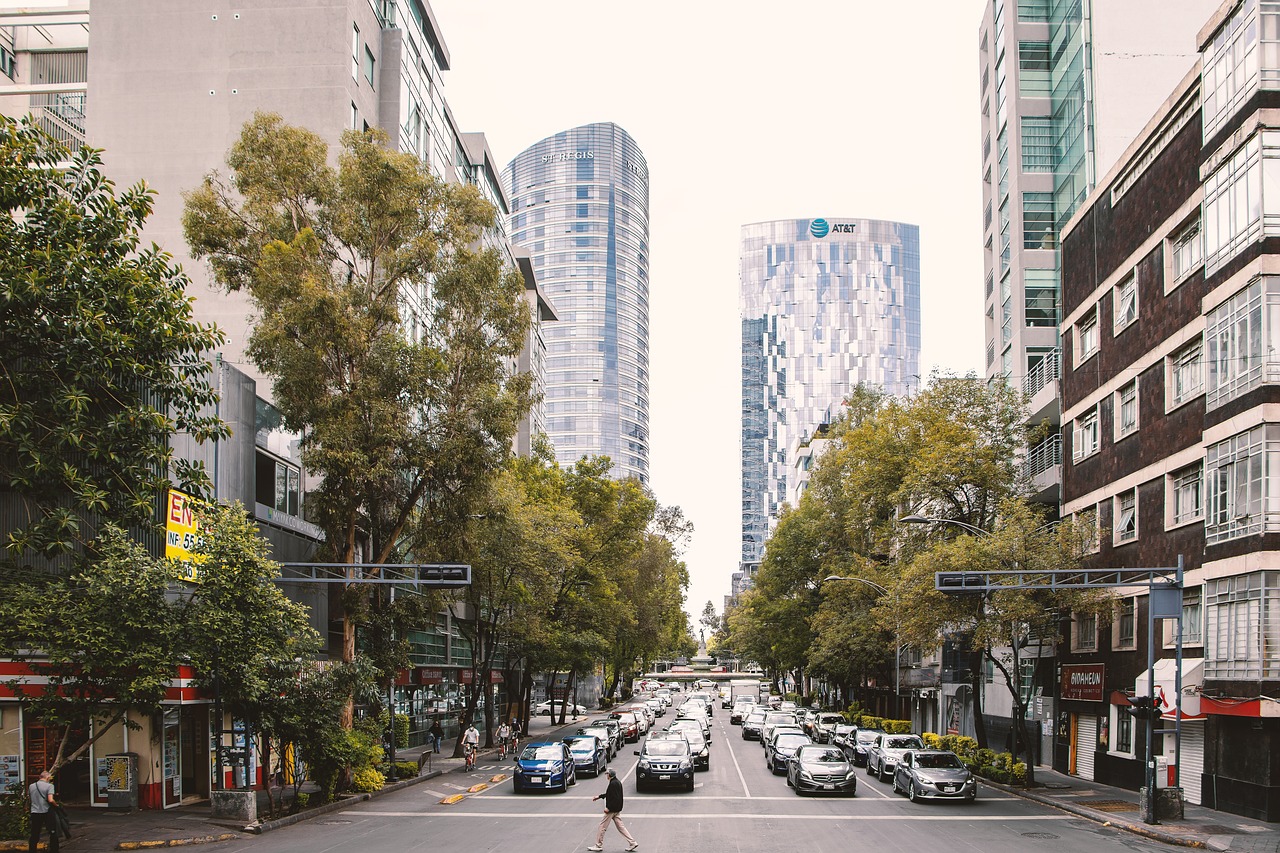
Mexico City, the capital of Mexico, is located in the Valley of Mexico and serves as the political, economic, and cultural center of the country. Founded in 1521, Mexico City is one of the largest and most influential cities in Latin America, known for its rich history, vibrant culture, and economic significance. The city is home to the Mexican government, numerous embassies, and international organizations, making it a key destination for governmental and institutional travel in the region. With its strategic location and regional importance, Mexico City is an essential center for high-level diplomatic engagements, government operations, and international conferences.
Milan
Italy
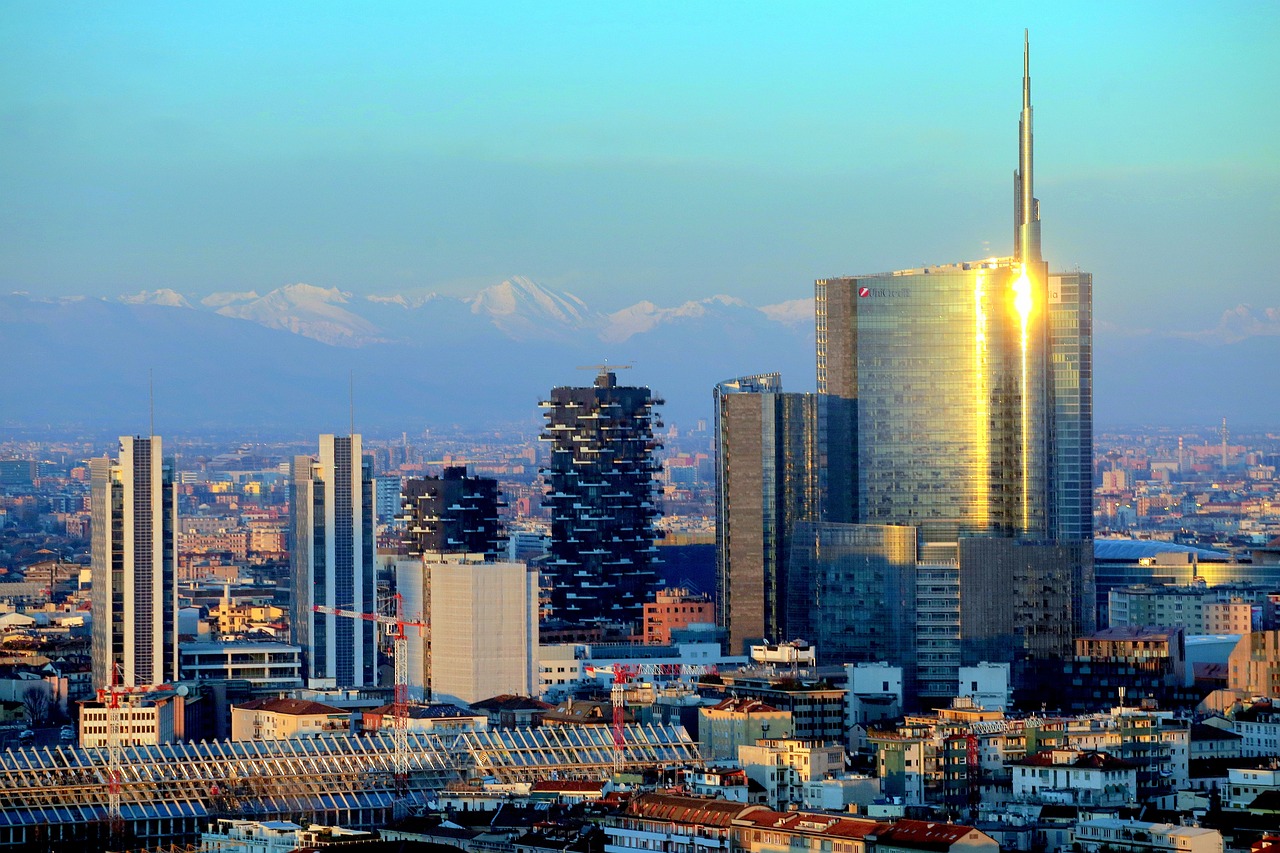
Milan, the capital of Lombardy in Italy, is a global capital of fashion and design, known for its cultural and economic significance. As Italy's financial and industrial hub, Milan plays a crucial role in the country's economy and serves as a major center for international business, trade, and innovation. The city's strategic location in Northern Italy and its thriving cultural scene make Milan an attractive destination for governmental and institutional events.