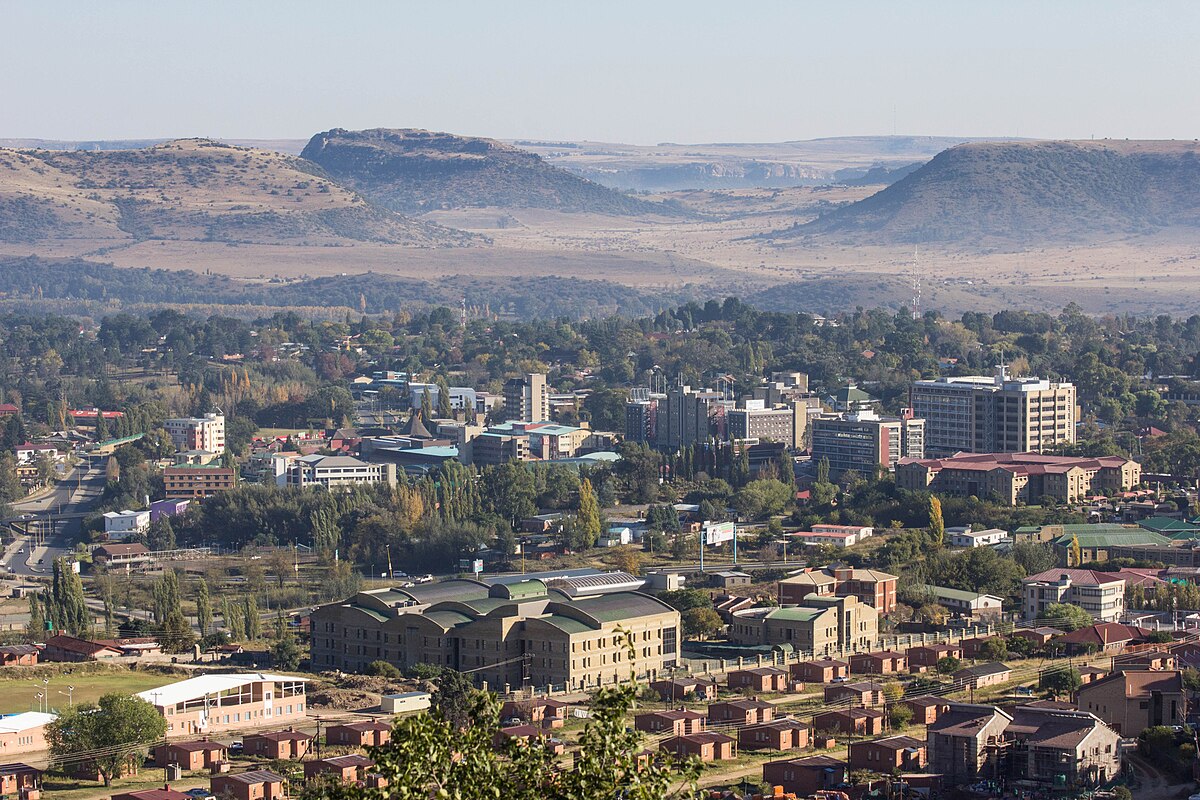
Maseru
Lesotho
GOVERNMENTAL DESTINATION
General information
Maseru, the capital and largest city of Lesotho, is located on the western border with South Africa, along the Caledon River. As the political, economic, and cultural center of Lesotho, Maseru plays a significant role in Southern African diplomacy and international relations. The city is known for its blend of traditional Basotho culture and modern urban development. Maseru's strategic location, along with its growing influence in regional affairs, makes it an essential destination for governmental and institutional travel, particularly for discussions on economic development, peace, and security in Southern Africa.

Testimonials
Moeketsi Majoro, former Prime Minister of Lesotho: 'Maseru is not just the capital of Lesotho, but also a place where Southern Africa comes together to discuss and shape the future of the region.' (Source: Speech at the SADC Summit 2020). Antonio Guterres, UN Secretary-General: 'Maseru plays a crucial role in regional stability and cooperation, and it is a key partner for the United Nations.' (Source: Remarks at the UN-Lesotho Partnership Meeting 2019). Cyril Ramaphosa, President of South Africa: 'Maseru's strategic position in Southern Africa makes it an essential location for regional diplomacy and cooperation.' (Source: Interview in The Lesotho Times 2019).
Importance of the GITT sector
Maseru is a key hub for diplomacy and international relations in Southern Africa. Its strategic location on the border with South Africa and its political stability make it a preferred destination for high-level governmental meetings and international events. The city is recognized for its role in hosting diplomatic gatherings, serving as a platform for regional and global discussions, particularly within the Southern African Development Community (SADC).
Diplomacy and institutions
Maseru hosts several embassies and consulates, representing countries from around the world. The city is also home to important government institutions and regional organizations, underscoring its importance as a center for diplomacy and international cooperation in Lesotho and the broader Southern African region.

Rail and conections
Maseru does not have a developed rail network, but it is well connected by road to South Africa, particularly to the Free State province. The city's public transportation system includes buses and taxis, but private transportation services with drivers are preferred by official delegations to ensure security and privacy during their movements within the city.

Airports
Maseru is served by Moshoeshoe I International Airport, located about 18 kilometers southeast of the city center. The airport handles both commercial and private flights, providing VIP services for official delegations, including private lounges and enhanced security measures.

Venues
Maseru offers a variety of venues suitable for hosting governmental events, including the AVANI Lesotho Hotel & Casino, the AVANI Maseru Hotel, and the Lesotho National Convention Centre. These venues are equipped with modern technology, high security standards, and are well-suited for hosting international summits and meetings, ensuring a secure and efficient environment for diplomacy.
Economic, social and cultural impact of the sector on the destination
Governmental and institutional events in Maseru account for approximately 5% of the total spending on tourism and events in the city. These events generate significant revenue for the local economy, particularly in the hotel and restaurant sectors, and reinforce Maseru's position as a key center for international diplomacy, promoting social cohesion and cultural exchange.

Governmental events
Maseru has hosted numerous important international events, including the SADC Summit and the African Union Peace and Security Council meetings. These events highlight Maseru's role as a significant venue for international cooperation and dialogue in Southern Africa.

Sustenability and RSC
Maseru has implemented various initiatives to ensure that governmental events are sustainable, including the use of renewable energy in major venues and the promotion of recycling practices. The city is also focused on reducing its carbon footprint through the development of public transportation and the implementation of environmental measures in event planning.