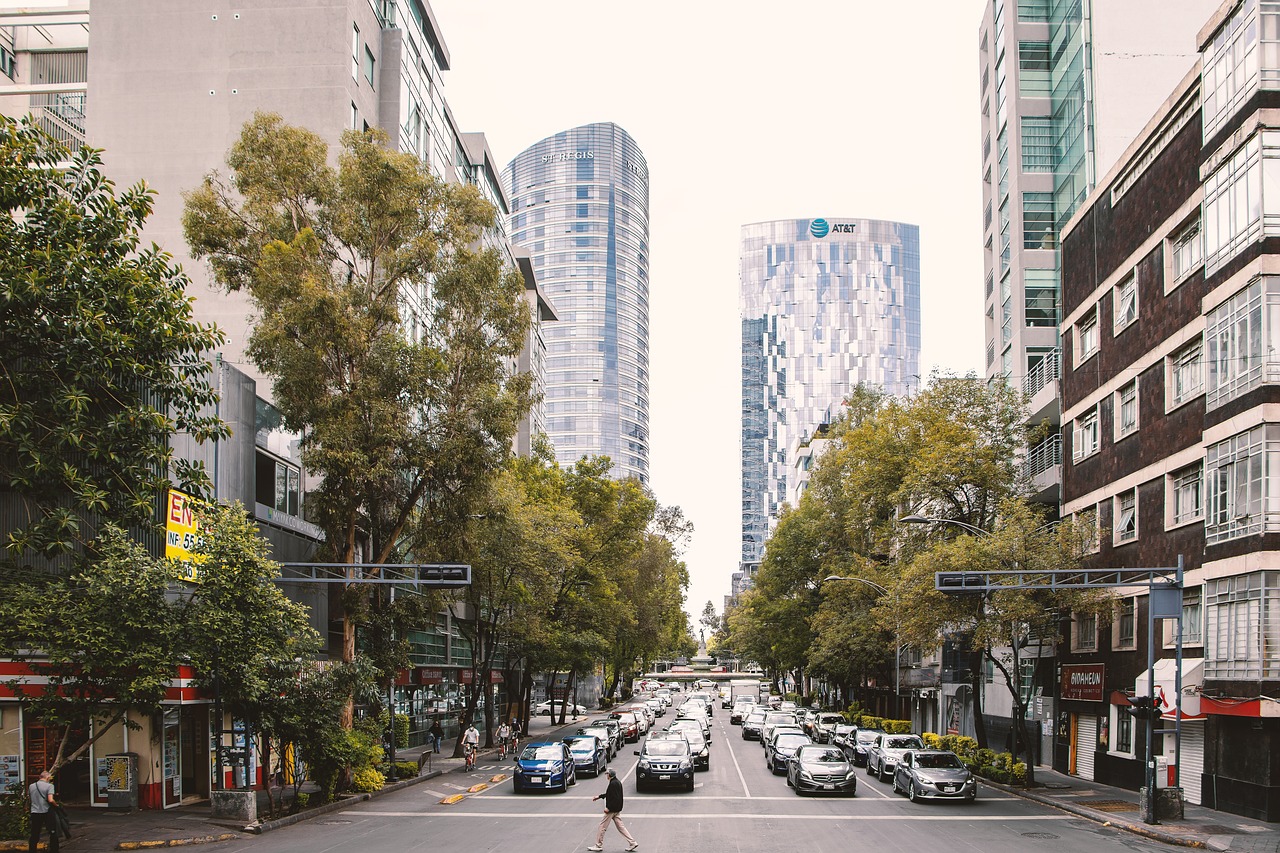
Mexico City
Mexico
GOVERNMENTAL DESTINATION
General information
Mexico City, the capital of Mexico, is located in the Valley of Mexico and serves as the political, economic, and cultural center of the country. Founded in 1521, Mexico City is one of the largest and most influential cities in Latin America, known for its rich history, vibrant culture, and economic significance. The city is home to the Mexican government, numerous embassies, and international organizations, making it a key destination for governmental and institutional travel in the region. With its strategic location and regional importance, Mexico City is an essential center for high-level diplomatic engagements, government operations, and international conferences.

Testimonials
Andrés Manuel López Obrador, President of Mexico: 'Mexico City is at the heart of Latin American diplomacy, where important decisions shaping the future are made.' (Source: Speech at the World Economic Forum on Latin America 2015). Moussa Faki Mahamat, Chairperson of the African Union Commission: 'Mexico City continues to be an essential center for international unity and economic development.' (Source: Statement during his visit to Mexico in 2016). Luis Almagro, Secretary General of the OAS: 'Mexico City plays a crucial role in fostering cooperation and dialogue among nations.' (Source: Address at the OAS General Assembly 2017).
Importance of the GITT sector
Mexico City plays a pivotal role in Latin American diplomacy and governance, serving as a central location for governmental activities and international relations. The city is a strategic venue for discussions on regional security, economic development, and sustainable governance.
Diplomacy and institutions
Mexico City hosts over 80 embassies and consulates, and is home to regional offices of international organizations such as the United Nations and the Organization of American States (OAS). These institutions underscore Mexico City's significance as a hub for regional diplomacy and international cooperation.

Rail and conections
Mexico City is well-connected by an extensive rail network, including the Mexico City Metro, which is one of the largest metro systems in the world. The city also provides reliable internal transportation options, including buses, taxis, and private car services, ensuring efficient and secure transportation for governmental delegations.

Airports
Mexico City is served by Benito Juarez International Airport (MEX), located approximately 10 km from the city center. The airport handles both commercial and private flights, offering VIP services and enhanced security for governmental delegations.

Venues
Mexico City offers several venues for governmental events, including the Centro Citibanamex, the St. Regis Mexico City, and the Four Seasons Hotel Mexico City. These venues are equipped with modern facilities and security measures necessary for hosting high-level meetings and conferences.
Economic, social and cultural impact of the sector on the destination
Governmental and institutional events in Mexico City contribute approximately 12% of the total tourism and events expenditure in the city. These events play a crucial role in supporting the local economy, fostering international cooperation, and positioning Mexico City as a key player in Latin American diplomacy.

Governmental events
Mexico City has hosted significant events such as the World Economic Forum on Latin America in 2015 and the OAS General Assembly in 2017.

Sustenability and RSC
Mexico City is actively pursuing sustainability initiatives, including the development of green energy projects, waste management systems, and urban mobility solutions. The city is also focused on reducing its carbon footprint through the promotion of public transportation and sustainable event practices.