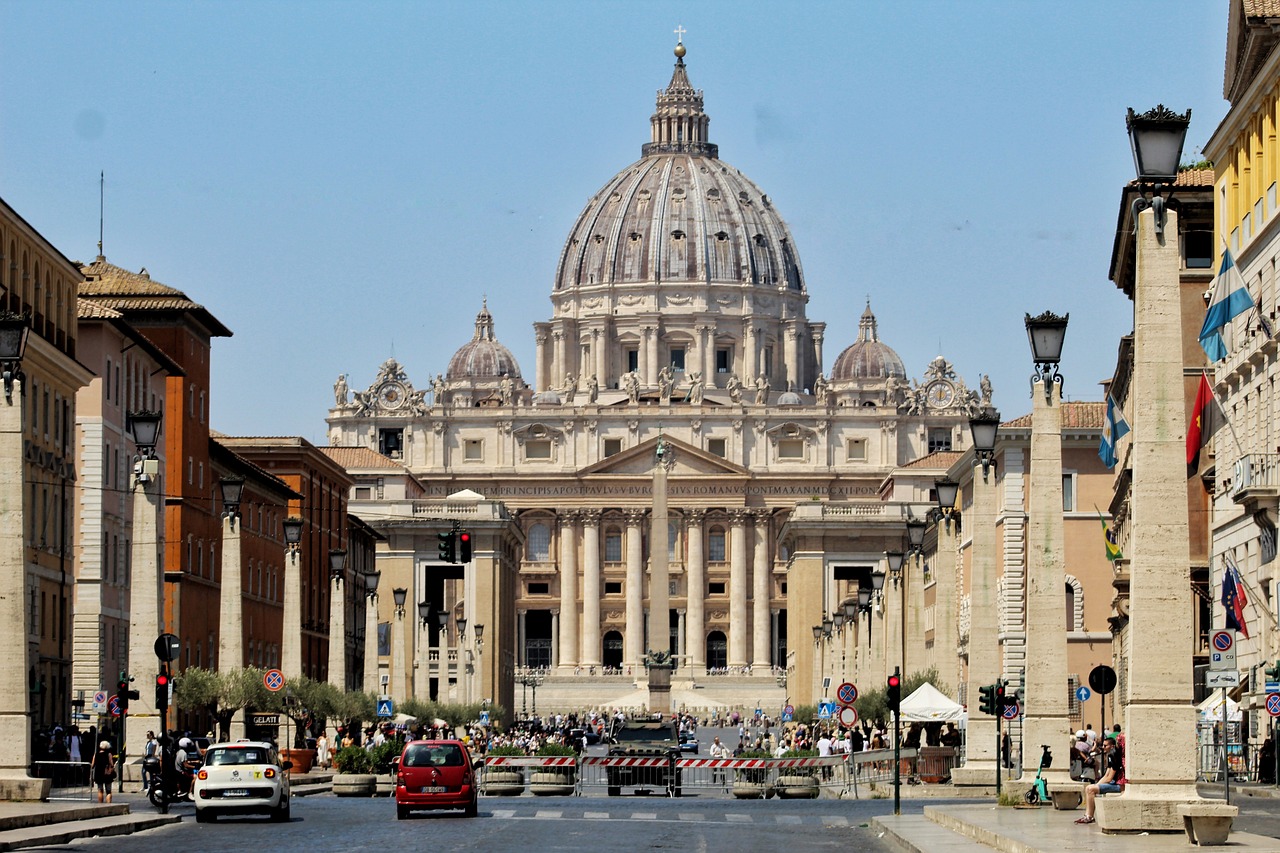
Vatican City
Vatican City
GOVERNMENTAL DESTINATION
General information
Vatican City, the smallest independent state in the world both in area and population, is the spiritual and administrative center of the Roman Catholic Church. Located entirely within the city of Rome, Italy, Vatican City is the residence of the Pope and the site of several significant religious and cultural sites, including St. Peter's Basilica and the Vatican Museums. As a major center for global religious diplomacy and interfaith dialogue, Vatican City plays a crucial role in international relations, particularly within the context of global peace efforts. The Vatican's unique position as a sovereign state and a religious hub makes it an important destination for governmental and institutional visits, especially for those focusing on issues of global importance such as peace, human rights, and religious freedom.

Testimonials
Pope Francis: 'Vatican City is a beacon of peace and dialogue in the world, where we strive to build bridges between different cultures and religions.' (Source: Speech at the World Day of Peace 2021). Kofi Annan, former UN Secretary-General: 'The Vatican plays a crucial role in global peace efforts, bringing together leaders from all walks of life to discuss and resolve the world's most pressing issues.' (Source: Remarks at the Vatican's Pontifical Academy of Sciences 2003). Ban Ki-moon, former UN Secretary-General: 'Vatican City, with its moral authority, is an essential voice in the global conversation on peace and human rights.' (Source: Address at the Vatican 2014).
Importance of the GITT sector
Vatican City is a central hub for religious diplomacy and global discussions on peace, human rights, and interfaith dialogue. Its unique status as a sovereign state and its spiritual significance make it a preferred destination for high-level governmental meetings and international events related to global peace and religious affairs.
Diplomacy and institutions
Vatican City hosts 183 diplomatic missions accredited to the Holy See, representing countries from around the world. The city is also home to several key international organizations focused on religious diplomacy, such as the Pontifical Council for Interreligious Dialogue, highlighting its significance in global diplomacy and interfaith cooperation.

Rail and conections
Vatican City is connected to Rome's extensive public transportation network, including metro, buses, and trams. While it does not have its own public transportation system, its small size allows for easy internal mobility, primarily on foot. Private transportation services with drivers are available and preferred by official delegations to ensure security and privacy during their movements within the Vatican and the surrounding areas of Rome.

Airports
Vatican City itself does not have an airport, but it is served by Rome's Leonardo da Vinci�Fiumicino Airport, located about 30 kilometers away, and Ciampino Airport, which is closer to the city. Fiumicino Airport handles both commercial and private flights, offering VIP services for official delegations, including private lounges and enhanced security measures.

Venues
Vatican City offers a variety of venues suitable for hosting governmental and institutional events, including the Apostolic Palace, the Synod Hall, and the Vatican Museums. These venues are equipped with high security standards and are well-suited for hosting international summits and meetings, ensuring a secure and solemn environment for diplomacy.
Economic, social and cultural impact of the sector on the destination
Governmental and institutional events related to Vatican City have a significant impact on the local economy of Rome, particularly in the hospitality and tourism sectors. These events contribute to the influx of high-profile visitors, which generates substantial revenue for hotels, restaurants, and local services in Rome.

Governmental events
Vatican City hosts several important international events, such as the annual meeting of the Pontifical Academy of Sciences and the World Day of Peace. These events highlight Vatican City's role as a significant venue for international cooperation and dialogue on global peace and religious diplomacy.

Sustenability and RSC
Vatican City has implemented various initiatives to promote sustainability, including the use of solar energy and the promotion of recycling practices. The city is also focused on reducing its carbon footprint through the implementation of green practices within the Vatican and encouraging visitors to engage in environmentally responsible behaviors.