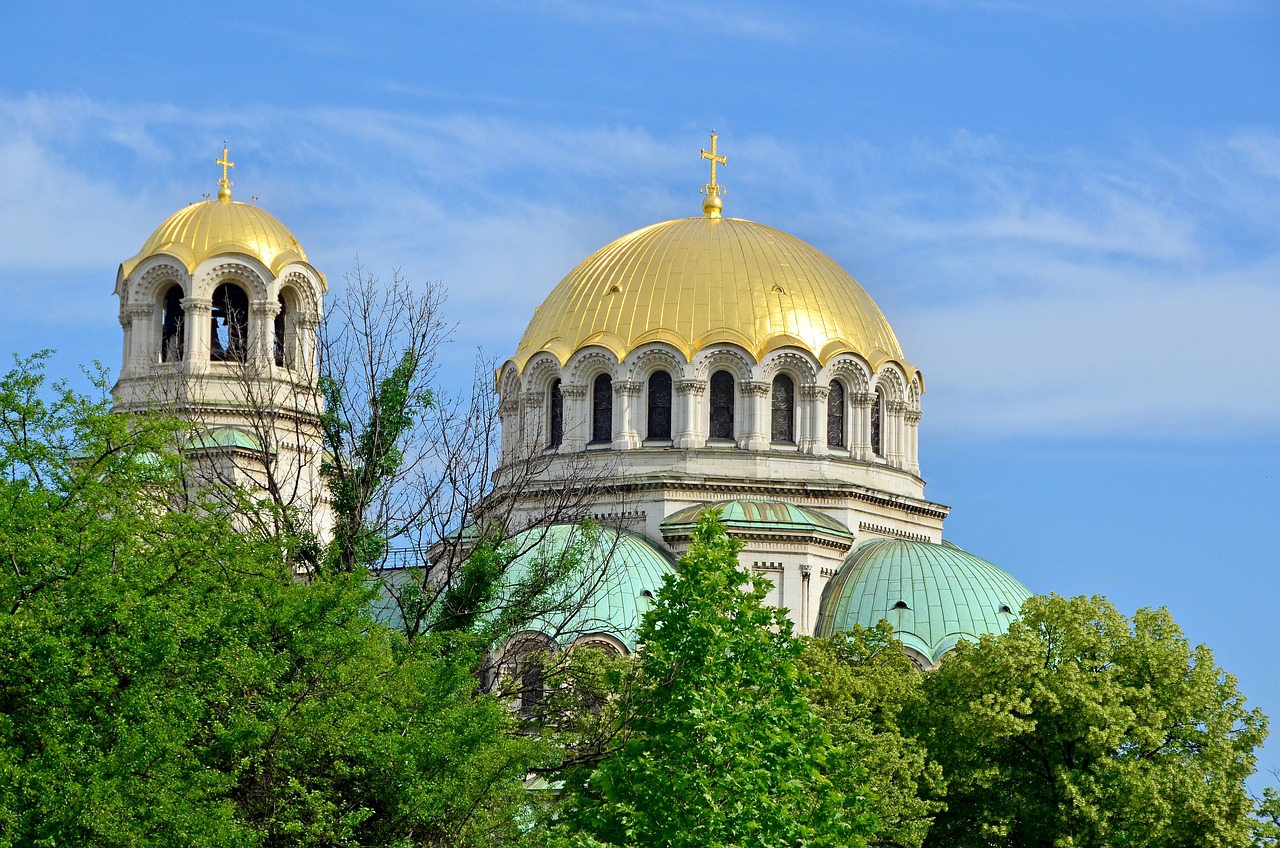
Sofia
Bulgaria
GOVERNMENTAL DESTINATION
General information
Sofia, the capital of Bulgaria, is a city with a rich history and a growing role in European and international affairs. Situated at the crossroads of Europe and Asia, Sofia has historically been a center for trade, culture, and diplomacy. Today, it is an emerging hub for governmental and institutional events in Southeast Europe, known for its strategic location, historical significance, and modern infrastructure that supports a wide range of international activities.

Testimonials
Boyko Borisov, former Prime Minister of Bulgaria: 'Sofia is the gateway to the Balkans, a city that plays a crucial role in regional stability and cooperation.' (Source: EU-Western Balkans Summit, 2018). Johannes Hahn, EU Commissioner for European Neighborhood Policy: 'Sofia is a key player in the EU's engagement with the Western Balkans, a place where important decisions are made.' (Source: SEECP Summit, 2019). Antonio Guterres, Secretary-General of the United Nations: 'Sofia is an emerging hub for diplomacy in Southeast Europe, where the future of the region is being shaped.' (Source: UN Event, 2020).
Importance of the GITT sector
Sofia is an important center for diplomacy and international cooperation in Southeast Europe. The city frequently hosts regional conferences, summits, and other high-level meetings, attracting leaders from across Europe and Asia. Its strategic position and historical relevance make Sofia a key destination for governmental and institutional travel in the region.
Diplomacy and institutions
Sofia is home to 75 embassies and several international organizations, including the Regional Cooperation Council (RCC) and the Southeast European Law Enforcement Center (SELEC). These institutions emphasize Sofia's importance as a hub for diplomacy and regional cooperation in Southeast Europe.

Rail and conections
Sofia is connected to other major cities in the Balkans and Europe through its railway network, although air travel is more commonly used. The city's internal transport system includes metro, buses, and trams, providing reliable and secure transportation options for official delegations.

Airports
Sofia Airport (SOF), located about 10 km east of the city center, is the main airport serving Sofia, handling both commercial and private flights. The airport offers modern facilities, including VIP lounges and specialized security services, ensuring the comfort and safety of governmental delegations.

Venues
Sofia offers several venues suitable for hosting high-level events, including the National Palace of Culture (NDK), the Sofia Hotel Balkan, and the Central Military Club. These venues are equipped with modern technology and security measures, making them ideal for governmental and institutional events.
Economic, social and cultural impact of the sector on the destination
Governmental and institutional events in Sofia contribute approximately 8% to the city's service sector economy, according to data from the Sofia Municipality. These events generate significant revenue for the hospitality, restaurant, and transportation industries, while also reinforcing Sofia's status as a growing hub for diplomacy and cultural exchange in Southeast Europe.

Governmental events
Sofia has hosted several significant governmental and institutional events, including the EU-Western Balkans Summit in 2018 and the annual Southeast Europe Cooperation Process (SEECP) meetings, which gather leaders from across the region to discuss issues of common interest.

Sustenability and RSC
Sofia is committed to sustainability in hosting governmental events. The city has introduced initiatives to promote energy efficiency and the use of renewable energy in its venues, and encourages the reduction of carbon footprints through public transportation and other eco-friendly practices during major events.