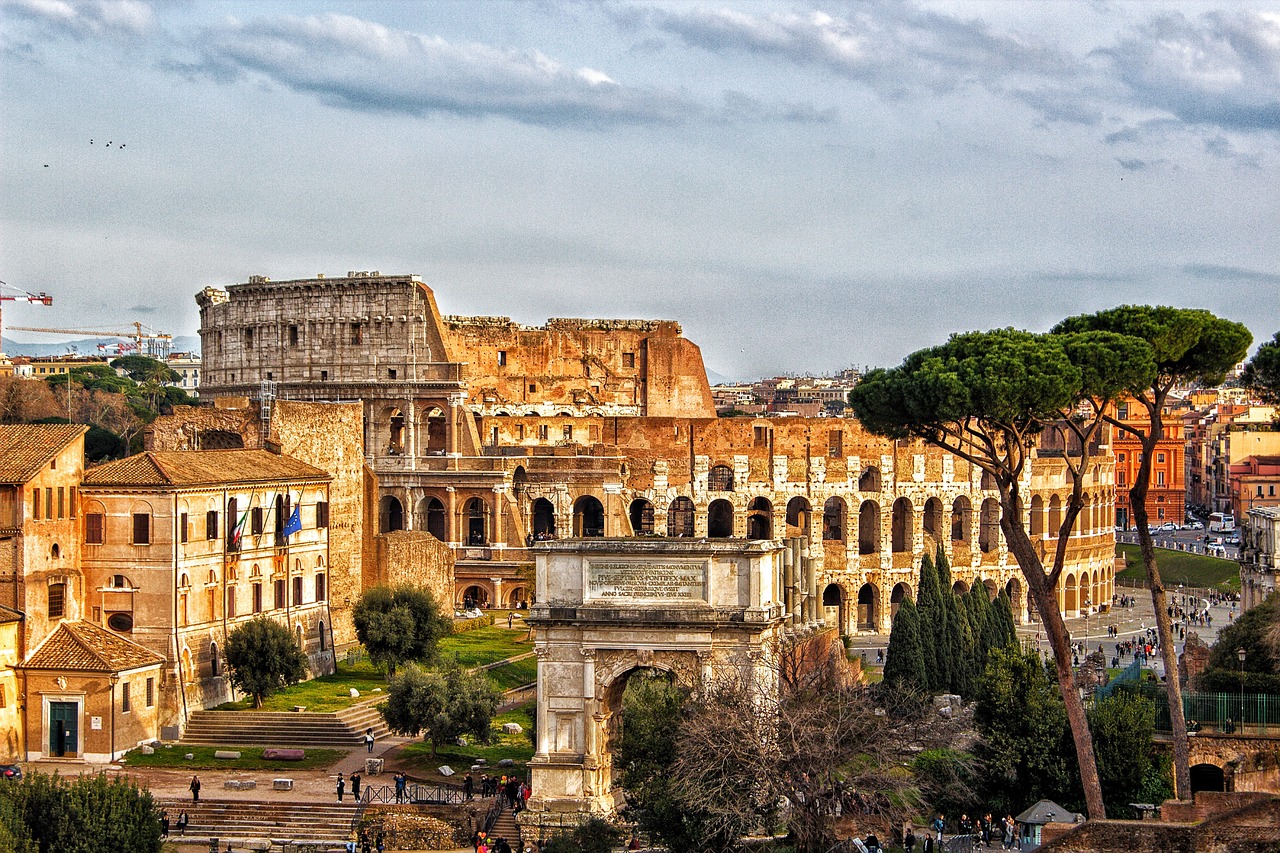
Rome
Italy
GOVERNMENTAL DESTINATION
General information
Rome, the capital of Italy, is a city known for its unparalleled historical significance, stunning architecture, and central role in global religion and diplomacy. As the seat of the Roman Catholic Church and the host city for numerous international organizations, Rome is a key hub for political, cultural, and religious activities. The city's rich heritage combined with its modern influence makes Rome an essential destination for governmental and institutional events.

Testimonials
Sergio Mattarella, President of Italy: 'Rome is not only the heart of Italy but also a city that plays a pivotal role in global diplomacy.' (Source: G20 Summit, 2021). Ursula von der Leyen, President of the European Commission: 'Rome's leadership in international cooperation and sustainability sets a high standard for Europe.' (Source: Rome Statute of the International Criminal Court, 1998). Antonio Guterres, Secretary-General of the United Nations: 'Rome's unique position as a center for diplomacy and culture is essential for global governance.' (Source: UN Event, 2020).
Importance of the GITT sector
Rome is a major center for international diplomacy and religious affairs. The city regularly hosts international summits, diplomatic meetings, and high-level conferences, attracting leaders and delegations from across the world. Rome's unique status as both a historical and modern political center makes it an indispensable destination for governmental and institutional travel.
Diplomacy and institutions
Rome is home to 139 embassies and several major international organizations, including the Food and Agriculture Organization of the United Nations (FAO) and the International Fund for Agricultural Development (IFAD). These institutions highlight Rome's global importance in diplomacy, development, and international cooperation.

Rail and conections
Rome is well connected to other major cities in Italy and Europe through its extensive railway network, with services such as the Frecciarossa connecting it to Milan, Florence, and Naples. The city's internal transport system includes metro lines, buses, trams, and a reliable taxi service, providing efficient and secure transportation for official delegations.

Airports
Leonardo da Vinci-Fiumicino Airport (FCO), located about 30 km southwest of the city center, is the main airport serving Rome, handling both commercial and private flights. The airport features modern facilities, including VIP lounges and specialized security services, ensuring the comfort and safety of governmental delegations.

Venues
Rome offers several prestigious venues for hosting governmental and institutional events, such as the Palazzo dei Congressi, the Rome Cavalieri, and the Vatican's Apostolic Palace. These venues are equipped with advanced technology and security measures, making them ideal for high-level events.
Economic, social and cultural impact of the sector on the destination
Governmental and institutional events in Rome contribute approximately 15% to the city's service sector economy, according to data from the Rome City Council. These events generate substantial revenue for the hospitality, restaurant, and transportation industries, while also reinforcing Rome's status as a global center for diplomacy and cultural exchange.

Governmental events
Rome has hosted several significant governmental and institutional events, including the Rome Statute of the International Criminal Court in 1998 and the G20 Summit in 2021, which brought together global leaders to discuss critical international issues.

Sustenability and RSC
Rome is committed to sustainability in hosting governmental events. The city promotes the use of renewable energy, sustainable transport, and eco-friendly practices during major events, aligning with its broader goals of reducing carbon emissions and enhancing urban sustainability.