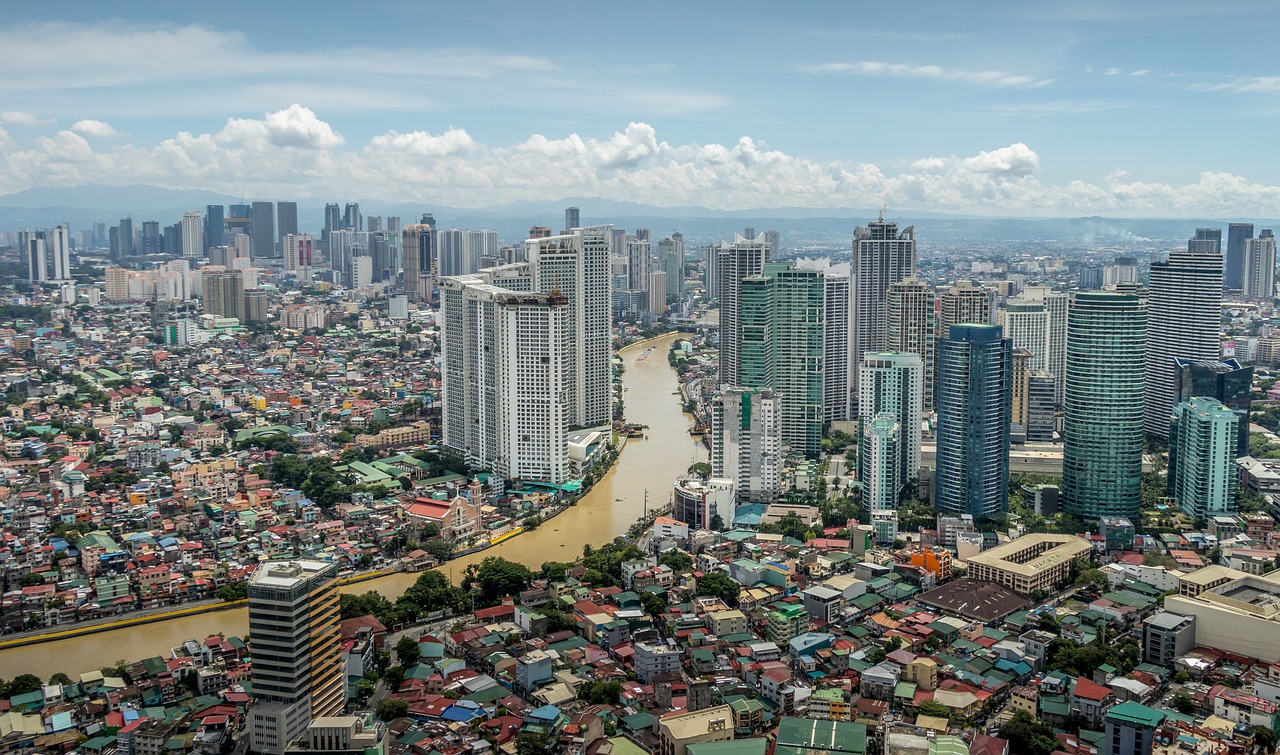
Manila
Philippines
GOVERNMENTAL DESTINATION
General information
Manila, the capital city of the Philippines, is a bustling metropolis that serves as the political, economic, and cultural heart of the country. As a major city in Southeast Asia, Manila hosts numerous government institutions, foreign embassies, and international organizations, making it a significant destination for governmental and institutional activities. With its strategic location in the Asia-Pacific region and its growing economy, Manila plays a crucial role in regional diplomacy and international relations. Manila is known for its economic vitality, cultural richness, and strategic importance in regional and global diplomacy.

Testimonials
Rodrigo Duterte, former President of the Philippines: 'Manila stands as a symbol of the Philippines' commitment to regional cooperation and global diplomacy.' (Source: ASEAN Summit 2017)
Antonio Guterres, UN Secretary-General: 'Manila plays a crucial role in fostering dialogue and cooperation in Southeast Asia.' (Source: APEC Summit 2015)
Barack Obama, former President of the United States: 'The Philippines is a vital partner in promoting peace and security in the Asia-Pacific region, and Manila is at the heart of this partnership.' (Source: World Economic Forum on East Asia 2014)
Importance of the GITT sector
Manila is a key player in Southeast Asian diplomacy and international cooperation, regularly hosting high-level summits, regional conferences, and diplomatic forums. The city is a primary destination for leaders and delegations to engage in discussions on political, economic, and security issues.
Diplomacy and institutions
Manila is home to more than 70 embassies and consulates including the United States Embassy and the Japanese Embassy, both of which play significant roles in diplomatic relations within the region. The city also hosts offices of major international organizations such as the Asian Development Bank (ADB) and the World Health Organization (WHO) Western Pacific Regional Office.

Rail and conections
Manila has a developing transport network, including the Manila Light Rail Transit (LRT) and Metro Rail Transit (MRT) systems, which connect various parts of the city. The city also offers a wide range of private transport options, including taxis, ride-hailing services, and chauffeured cars, to meet the needs of government officials and visiting dignitaries.

Airports
Manila is served by Ninoy Aquino International Airport (MNL), the main international gateway to the Philippines, handling both commercial and private flights. The airport provides extensive services for VIP and diplomatic passengers, ensuring smooth and secure travel for international delegations.

Venues
Manila offers premier venues for government and institutional events, including the Philippine International Convention Center (PICC) and the SMX Convention Center, both equipped with modern amenities and high security measures, making them ideal for hosting significant international events.
Economic, social and cultural impact of the sector on the destination
According to the Philippine Statistics Authority, government and institutional events in Manila contribute approximately 22% of the city's total event-related revenue. This impact is crucial for sectors such as hospitality, tourism, and transportation, driving economic growth and fostering international cultural exchange.

Governmental events
Manila has hosted key international events such as the ASEAN Summit (2017) the Asia-Pacific Economic Cooperation (APEC) Summit (2015), and the World Economic Forum on East Asia (2014), demonstrating its capacity to facilitate significant diplomatic and economic discussions.

Sustenability and RSC
Manila is committed to sustainability, with initiatives promoting green building practices renewable energy use, and waste reduction in venues hosting large-scale events, ensuring environmentally responsible practices.