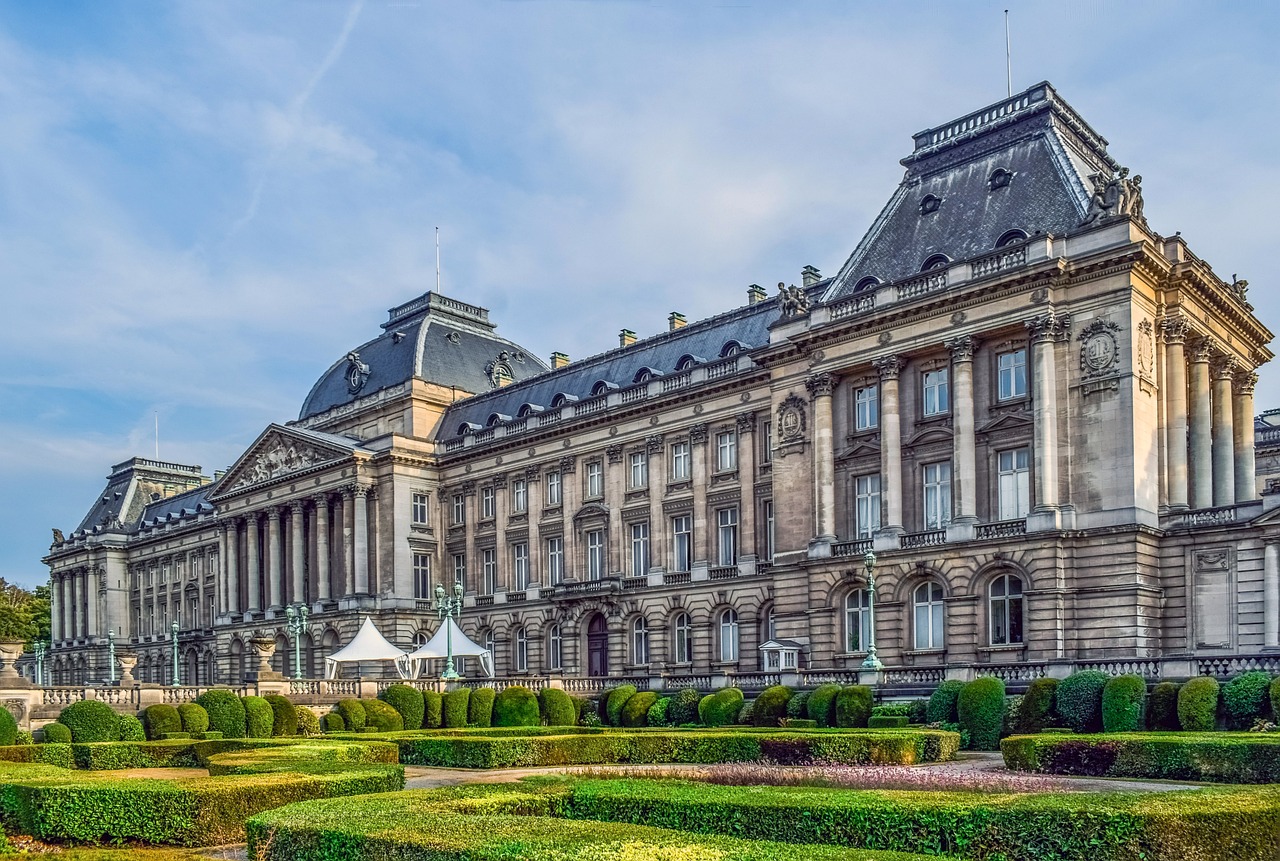
Brussels
Belgium
GOVERNMENTAL DESTINATION
General information
Brussels, the capital of Belgium, is often referred to as the heart of Europe due to its central role in European and international affairs. The city is home to the headquarters of the European Union, NATO, and numerous other international organizations, making it a key hub for diplomacy, politics, and international cooperation. With its blend of historical charm and modern infrastructure, Brussels serves as a premier destination for high-level governmental and institutional events.

Testimonials
Charles Michel, President of the European Council: 'Brussels is not just the capital of Belgium, but the capital of Europe, where critical decisions shaping the future of the continent are made.' (Source: European Council Meeting, 2020). Jens Stoltenberg, Secretary General of NATO: 'Brussels is at the forefront of global security, serving as the headquarters for NATO and a crucial center for international cooperation.' (Source: NATO Summit, 2018). Ursula von der Leyen, President of the European Commission: 'Brussels is the beating heart of the European Union, where we work together to build a stronger and more united Europe.' (Source: European Commission Event, 2021).
Importance of the GITT sector
Brussels is a critical center for international diplomacy, hosting a wide array of global leaders and events. Its strategic location in Europe, coupled with its advanced infrastructure, makes it an essential destination for governmental and institutional travel, particularly for matters concerning the European Union and global security.
Diplomacy and institutions
Brussels hosts over 180 embassies and is home to key international organizations such as the European Commission, the Council of the European Union, and NATO. These institutions underscore Brussels significance as a global hub for diplomacy and international relations.

Rail and conections
Brussels is a major railway hub in Europe, with Brussels Central Station (Gare Centrale) providing high-speed connections to other European capitals. The citys internal transport system is highly efficient, featuring an extensive network of metro, trams, buses, and suburban trains, which facilitates smooth and secure transportation for official delegations.

Airports
Brussels Airport (BRU), located about 12 km northeast of the city center, is the main airport serving Brussels, handling both commercial and private flights. The airport offers modern facilities, including VIP lounges and specialized security services, ensuring the highest level of comfort and privacy for governmental delegations.

Venues
Brussels offers several prestigious venues for hosting high-level events, including the European Parliament, the Square - Brussels Meeting Centre, and the Egmont Palace. These venues are equipped with state-of-the-art technology and security measures, making them ideal for significant governmental and institutional gatherings.
Economic, social and cultural impact of the sector on the destination
Governmental and institutional events in Brussels contribute approximately 18% to the citys service sector economy, according to data from the Brussels-Capital Region. These events generate substantial revenue for the hospitality, restaurant, and transportation industries, while also reinforcing Brussels status as a global center for diplomacy and cultural exchange.

Governmental events
Brussels has hosted several significant governmental and institutional events, including the European Council meetings, held regularly, and NATO summits, which bring together global leaders to discuss critical security issues.

Sustenability and RSC
Brussels is committed to sustainability in hosting governmental events. The city has implemented extensive renewable energy policies in its main venues and promotes the reduction of carbon footprints through the use of public transport and other eco-friendly practices during major events.