
GDN Destination profiles
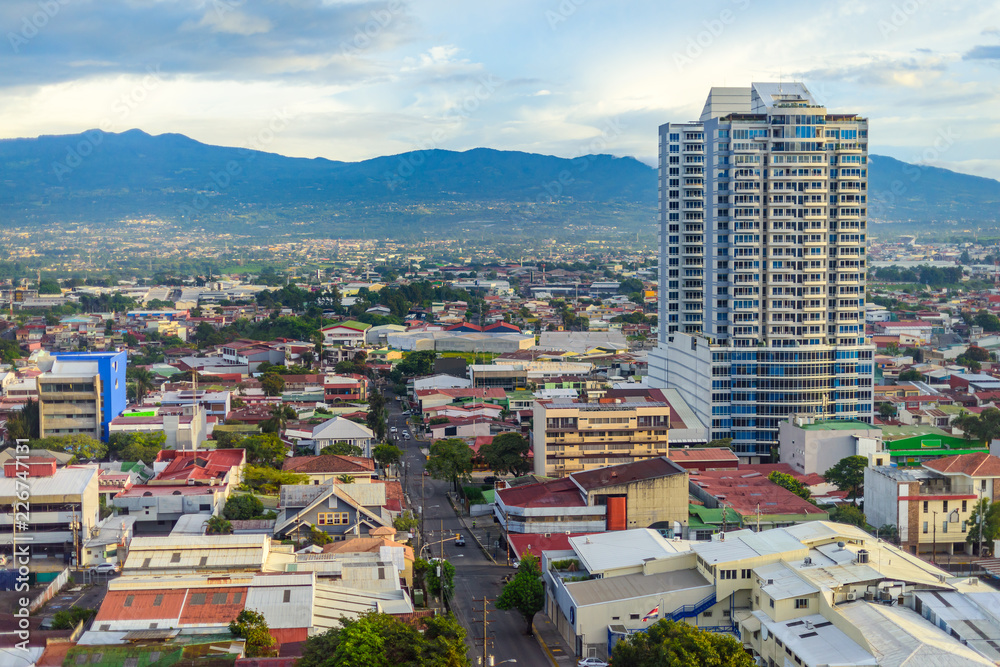
San Jose
Costa Rica
San Jose, the capital of Costa Rica, is located in the central part of the country and serves as its political, economic, and cultural center. Founded in 1738, San Jose has grown into a vibrant metropolis known for its rich history, cultural institutions, and dynamic economy. The city is home to the Costa Rican government, numerous embassies, and international organizations, making it a key destination for governmental and institutional travel in Central America. With its strategic location and well-developed infrastructure, San Jose is an important center for high-level diplomatic engagements, government operations, and international conferences.

San Marino
San Marino
San Marino, the world's oldest republic, is a small enclave located in northeastern Italy. Founded in 301 AD, San Marino is known for its remarkable history, natural beauty, and political stability, making it a unique destination for international diplomacy. With a population of approximately 34,000 people, San Marino combines its historical heritage with an active role in international relations, despite its small size. The country is a member of various international organizations and maintains diplomatic relations with numerous states, underscoring its importance on the global political stage. San Marino is renowned for its mountainous landscape and historic center, a UNESCO World Heritage site, attracting governmental and institutional delegations seeking a peaceful and secure environment for their meetings.
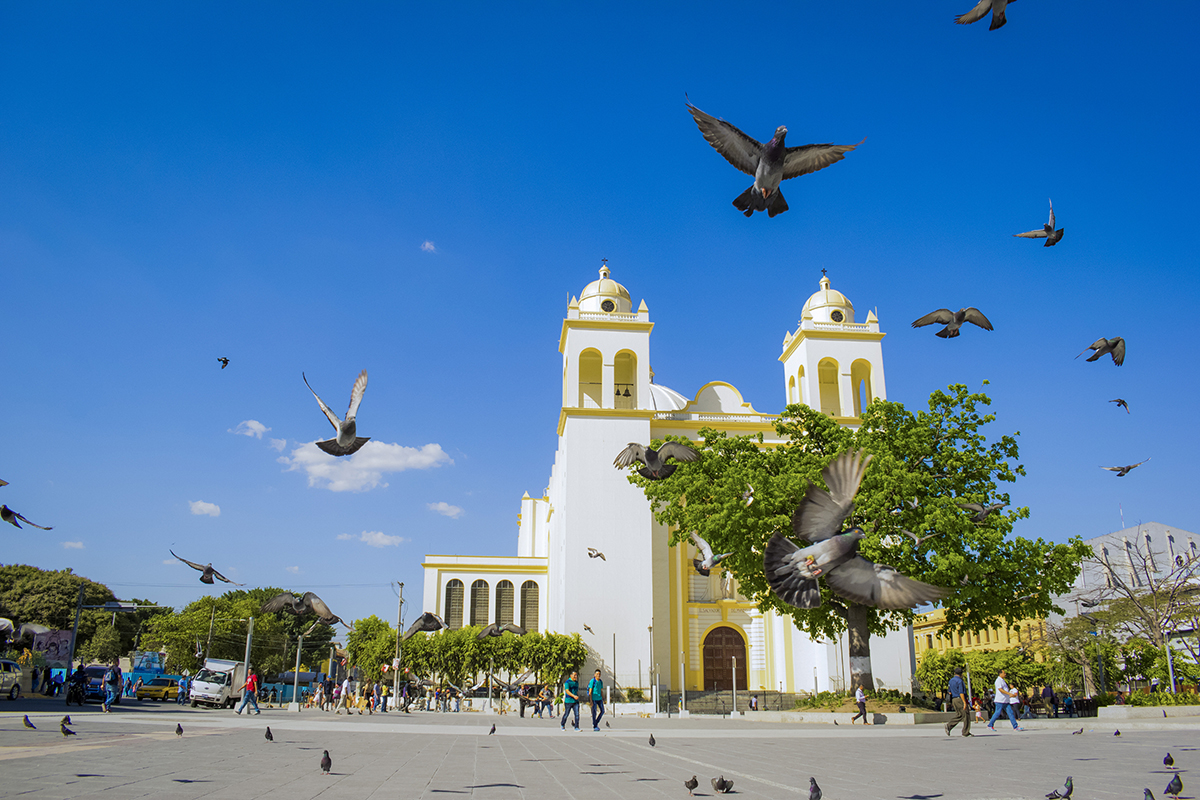
San Salvador
El Salvador
San Salvador, the capital of El Salvador, is located in the central part of the country and serves as its political, economic, and cultural center. Founded in the 16th century, San Salvador has grown into a dynamic city known for its vibrant culture, history, and economic significance in Central America. The city is home to the Salvadoran government, numerous embassies, and international organizations, making it a key destination for governmental and institutional travel in the region. With its strategic location and well-developed infrastructure, San Salvador is an important center for high-level diplomatic engagements, government operations, and international conferences.

Sana'a
Yemen
Sana'a, the capital of Yemen, is one of the oldest continuously inhabited cities in the world and a UNESCO World Heritage site. As the political, economic, and cultural center of Yemen, Sana'a plays a crucial role in the country's history and identity. The city is home to key government institutions, foreign embassies, and international organizations, making it an essential destination for governmental and institutional visits. Despite the ongoing conflict in Yemen, Sana'a remains a symbol of resilience and cultural heritage in the region.
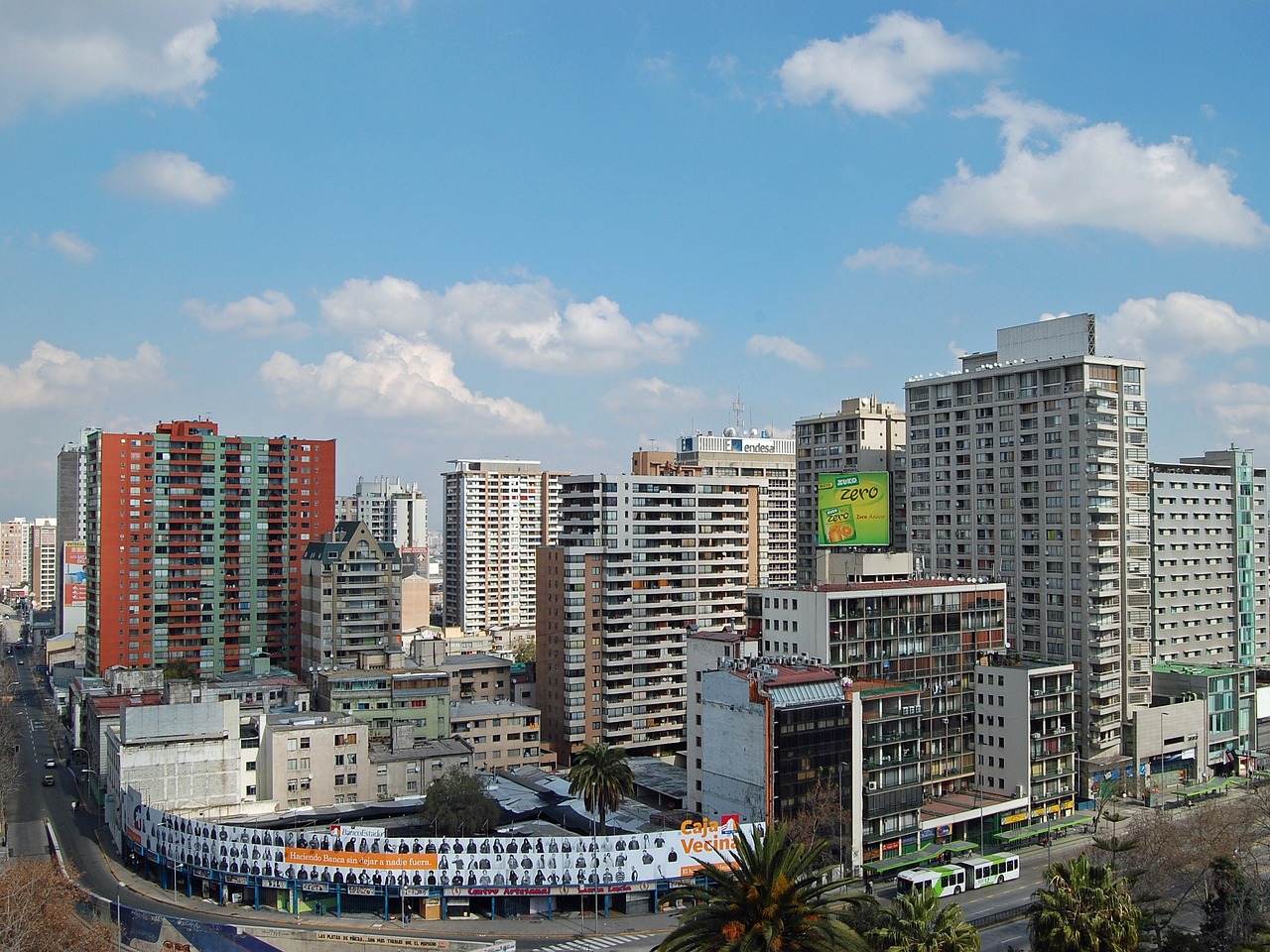
Santiago de Chile
Chile
Santiago, the capital of Chile, is located in the central part of the country and serves as its political, economic, and cultural center. Founded in 1541, Santiago has grown into a major hub for governance, business, and culture in South America. The city is home to the Chilean government, numerous embassies, and international organizations, making it a key destination for governmental and institutional travel in the region. With its strategic location and well-developed infrastructure, Santiago is an important center for high-level diplomatic engagements, government operations, and international conferences.
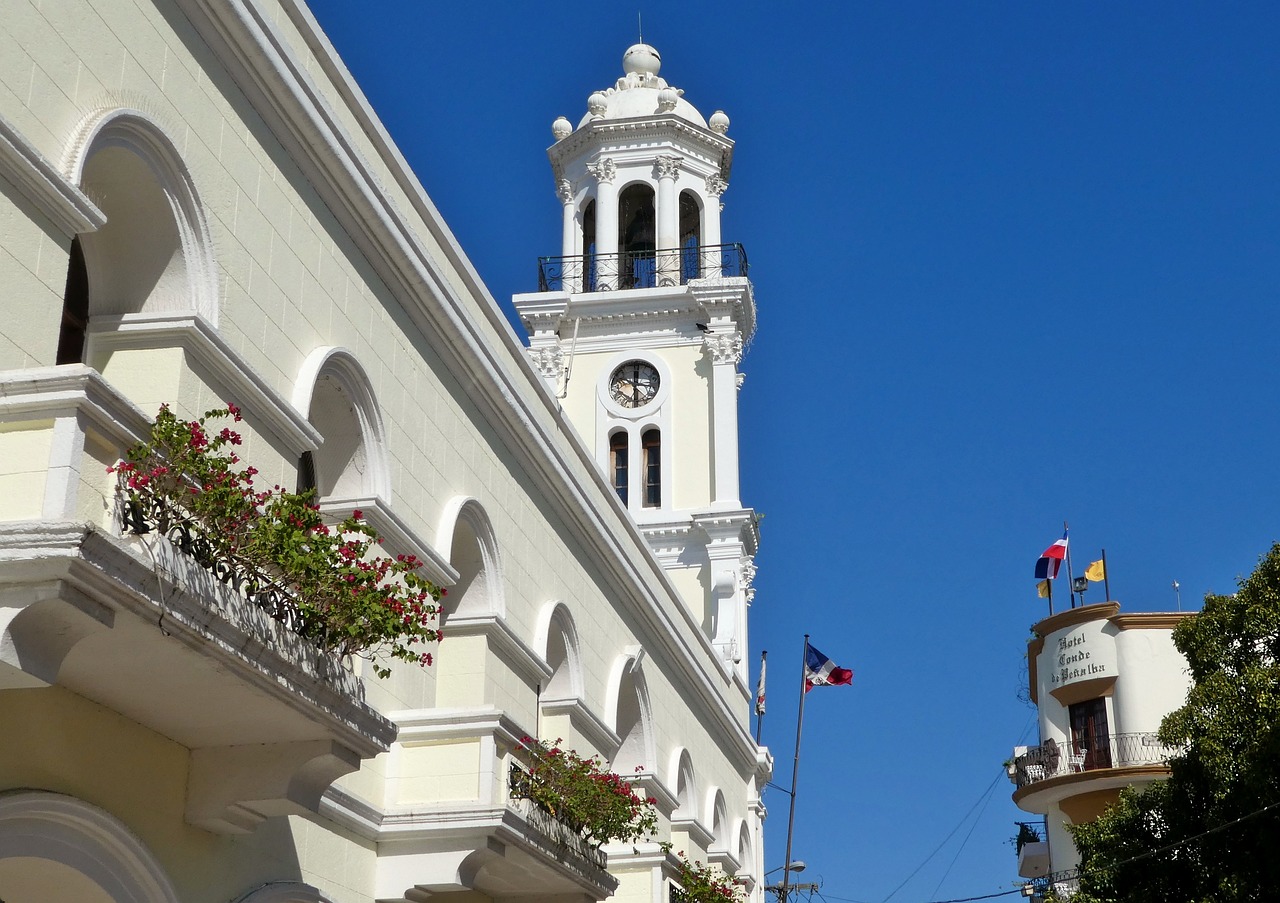
Santo Domingo
Dominican Republic
Santo Domingo, the capital of the Dominican Republic, is located on the southern coast of the island of Hispaniola and serves as the political, economic, and cultural center of the country. Founded in 1496, Santo Domingo is the oldest continuously inhabited European settlement in the Americas, known for its rich history, vibrant culture, and strategic importance in the Caribbean. The city is home to the Dominican government, numerous embassies, and international organizations, making it a key destination for governmental and institutional travel in the region. With its historical significance and regional influence, Santo Domingo is an essential center for high-level diplomatic engagements, government operations, and international conferences.
Sao Paulo
Brazil
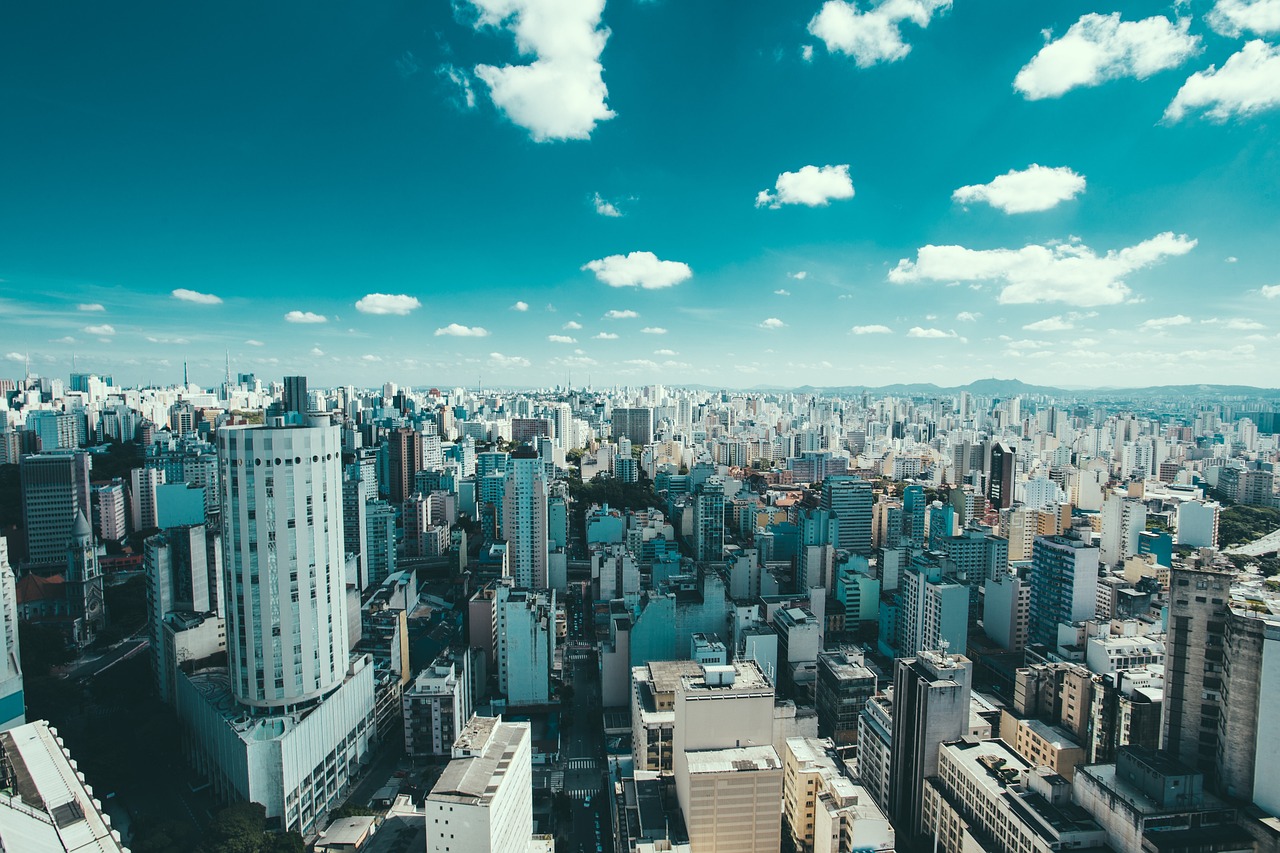
Sao Paulo, the largest city in Brazil, is located in the southeastern part of the country and serves as a major economic, cultural, and political center. Founded in 1554, Sao Paulo has grown into one of the most populous cities in the world, known for its vibrant culture, dynamic industries, and significant influence in South America. The city is home to key governmental institutions and numerous international organizations, making it a major destination for governmental and institutional travel in the region. With its strategic location and well-developed infrastructure, Sao Paulo is an important center for high-level diplomatic engagements, government operations, and international conferences.
Sarajevo
Bosnia & Herzegovina
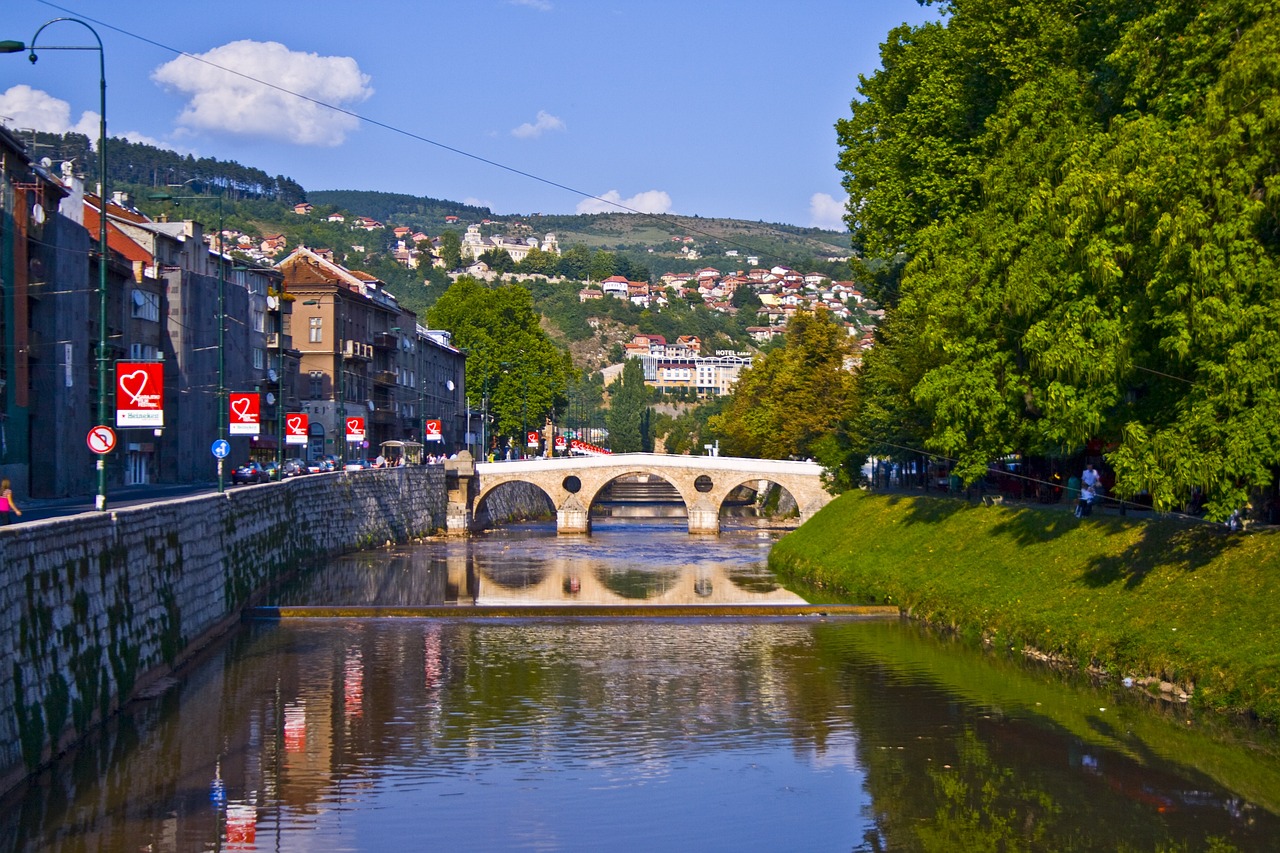
Sarajevo, the capital of Bosnia and Herzegovina, is a city with a rich history and a significant role in the Balkans' political and cultural landscape. Known as the crossroads of civilizations, Sarajevo has been a meeting point for various cultures, religions, and empires throughout history. Today, it stands as a symbol of resilience and multiculturalism, making it an important destination for governmental and institutional events focused on peace, reconciliation, and regional cooperation.

Seville
Spain
Seville, the capital of Andalusia, is a city known for its rich historical heritage, stunning architecture, and vibrant cultural scene. As one of Spain's most iconic cities, Seville is a key destination for tourism, commerce, and international diplomacy. The city's strategic location in southern Spain, combined with its historical significance and modern infrastructure, makes Seville an attractive venue for governmental and institutional events.
Shanghai
China
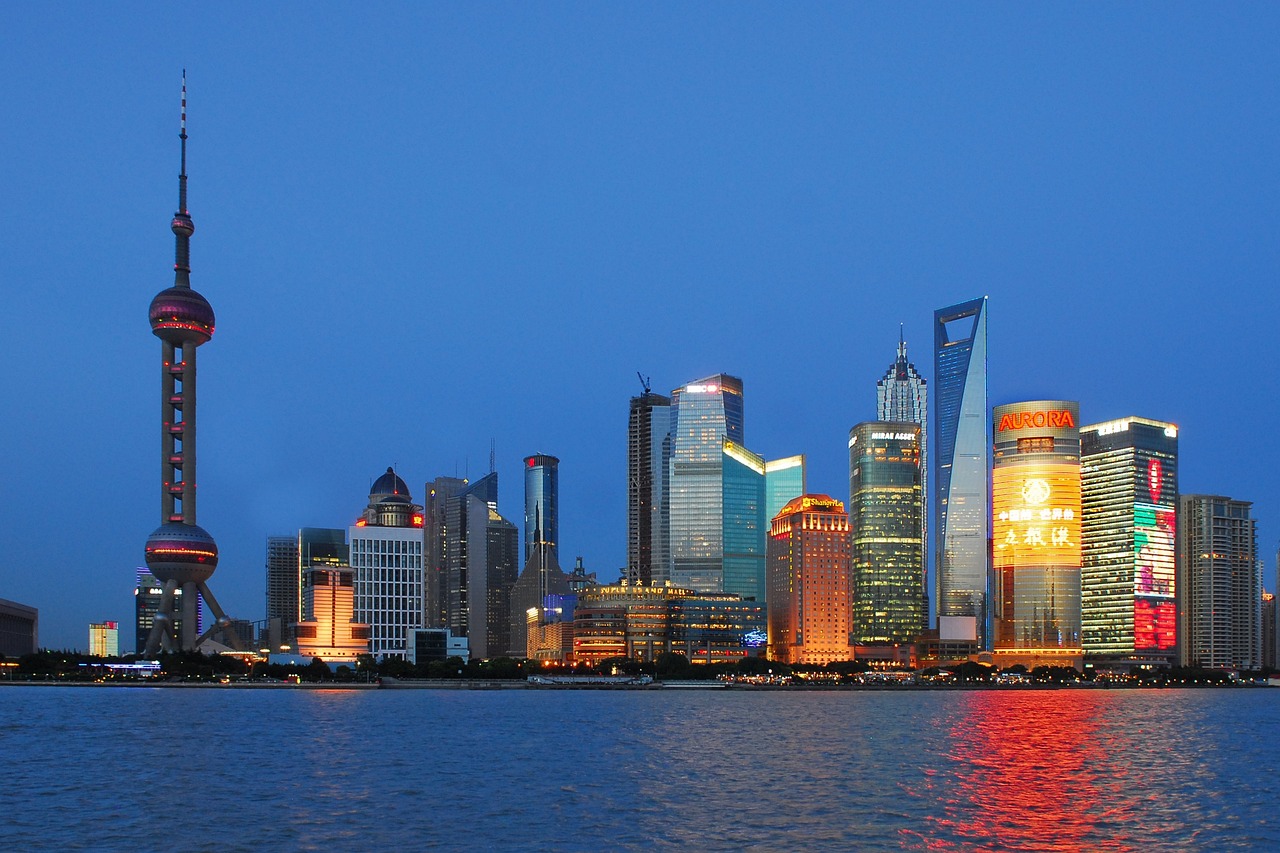
Shanghai, one of the most populous cities in the world, is a global financial hub and a vital center for international trade and business. As one of China's key cities, Shanghai hosts numerous government offices, foreign consulates, and international organizations, making it a significant player in global and regional diplomacy. With its strategic location on the eastern coast of China and its thriving economy, Shanghai is a crucial destination for governmental and institutional travel. Shanghai is known for its economic power, cultural diversity, and strategic importance in international relations and global commerce.

Singapore
Singapore
Singapore, a sovereign city-state and island country in Southeast Asia, is one of the most important financial and economic hubs in the world. As a major global city, Singapore hosts key government institutions, foreign embassies, and international organizations, making it a significant center for diplomacy and international relations. With its strategic location at the crossroads of major shipping routes and its role as a global financial center, Singapore plays a crucial role in regional and global diplomacy. Singapore is known for its economic strength, cultural diversity, and strategic importance in Southeast Asia and beyond.
Skopje
North Macedonia
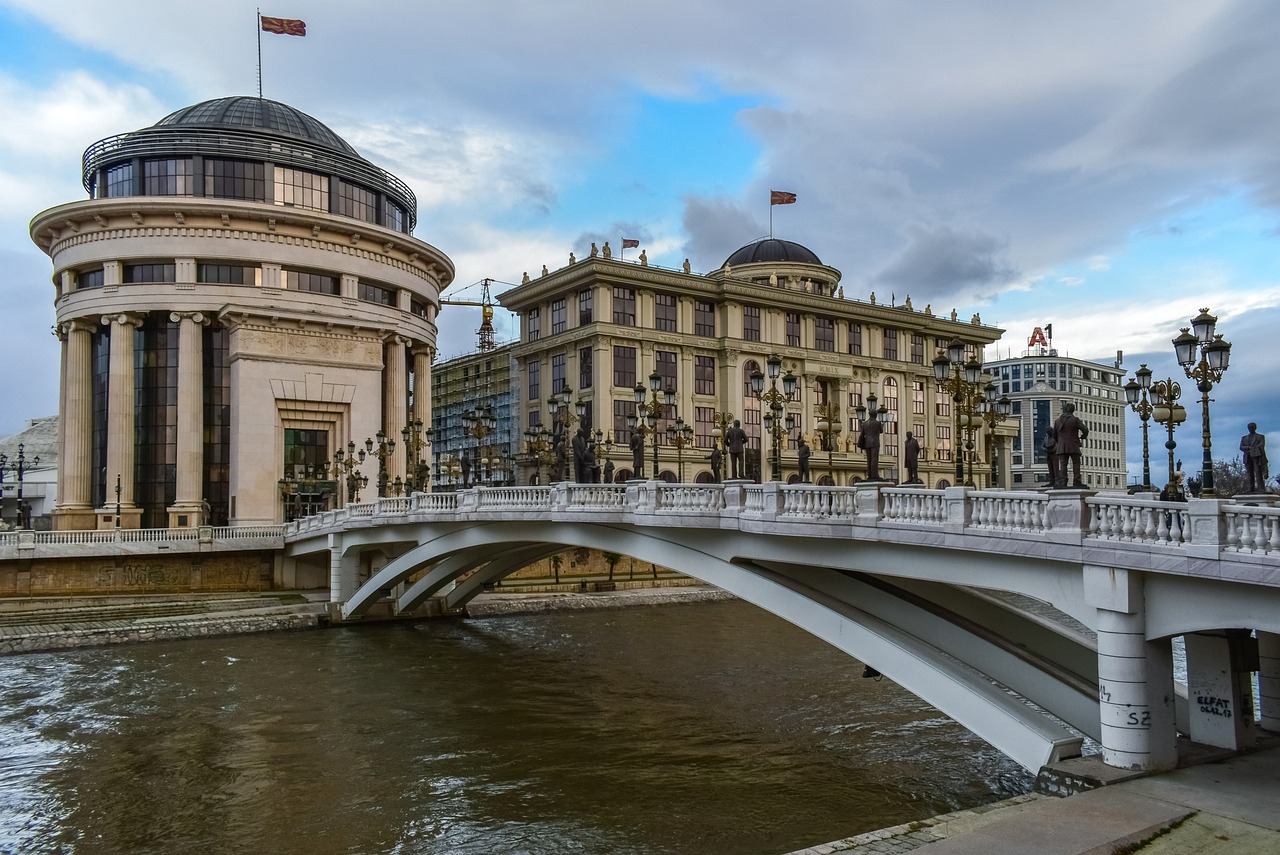
Skopje, the capital of North Macedonia, is a city known for its rich history, diverse cultural heritage, and strategic importance in the Balkans. As the political, economic, and cultural center of the country, Skopje plays a significant role in regional diplomacy and international cooperation. The city's unique blend of Ottoman, Byzantine, and modern architecture, along with its central location in Southeast Europe, makes Skopje an important destination for governmental and institutional events.