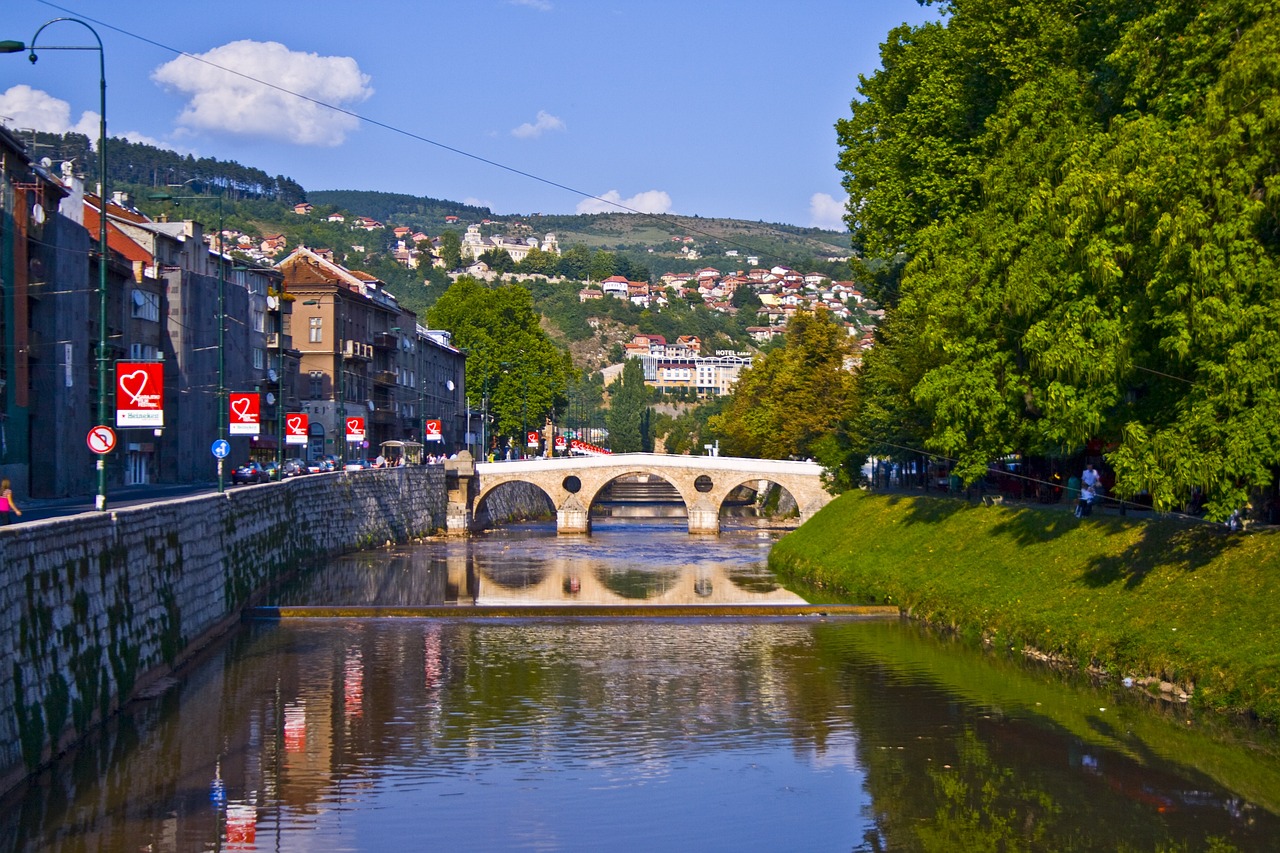
Sarajevo
Bosnia & Herzegovina
GOVERNMENTAL DESTINATION
General information
Sarajevo, the capital of Bosnia and Herzegovina, is a city with a rich history and a significant role in the Balkans' political and cultural landscape. Known as the crossroads of civilizations, Sarajevo has been a meeting point for various cultures, religions, and empires throughout history. Today, it stands as a symbol of resilience and multiculturalism, making it an important destination for governmental and institutional events focused on peace, reconciliation, and regional cooperation.

Testimonials
Valentin Inzko, former High Representative for Bosnia and Herzegovina: 'Sarajevo is a beacon of hope and reconciliation, a place where the future of the Balkans is being shaped.' (Source: OHR Event, 2020). Bakir Izetbegovic, former Chairman of the Presidency of Bosnia and Herzegovina: 'Sarajevo is the heart of our country, a city that embodies our resilience and our commitment to peace.' (Source: Sarajevo Peace Conference, 2019). Antonio Guterres, Secretary-General of the United Nations: 'Sarajevo stands as a symbol of resilience and unity, where the values of peace and cooperation are upheld.' (Source: UN Event, 2021).
Importance of the GITT sector
Sarajevo plays a crucial role in the Balkans as a center for diplomacy and international cooperation. The city is frequently chosen as the host for regional conferences and peace-building initiatives, attracting leaders from across Europe and beyond. Its strategic location and historical significance make it a key destination for governmental and institutional travel in Southeast Europe.
Diplomacy and institutions
Sarajevo is home to 44 embassies and several international organizations, including the Office of the High Representative (OHR) and the United Nations Development Programme (UNDP). These institutions highlight Sarajevo's importance as a center for diplomacy and international governance in the region.

Rail and conections
Sarajevo is connected to other major cities in the Balkans through its railway network, although it is more commonly accessed by road or air. The city's internal transport system includes trams, buses, and trolleybuses, providing reliable and secure transportation options for official delegations.

Airports
Sarajevo International Airport (SJJ), located about 9 km southwest of the city center, is the main airport serving Sarajevo, handling both commercial and private flights. The airport features modern facilities and VIP services designed to cater to governmental delegations with the highest level of comfort and security.

Venues
Sarajevo offers several venues suitable for high-level events, such as the Sarajevo City Hall (Vijecnica), the Parliament Building of Bosnia and Herzegovina, and the Hotel Holiday, known for hosting international conferences and diplomatic meetings. These venues are equipped with the necessary technology and security measures to accommodate governmental and institutional events.
Economic, social and cultural impact of the sector on the destination
Governmental and institutional events in Sarajevo contribute approximately 10% to the city's service sector economy, according to data from the Sarajevo Canton. These events generate significant revenue for the hospitality, restaurant, and transportation industries, while also reinforcing Sarajevo's status as a hub for diplomacy and cultural exchange in the Balkans.

Governmental events
Sarajevo has hosted several significant governmental and institutional events, including the Sarajevo Peace Conference in 1995, which played a crucial role in the Dayton Peace Agreement, and the Southeast Europe Cooperation Process (SEECP) summits, regularly bringing together regional leaders.

Sustenability and RSC
Sarajevo is committed to sustainability in hosting governmental events. The city has introduced initiatives to promote renewable energy use in its venues and encourages the reduction of carbon footprints through public transportation and other eco-friendly practices during major events.