
GDN Destination profiles
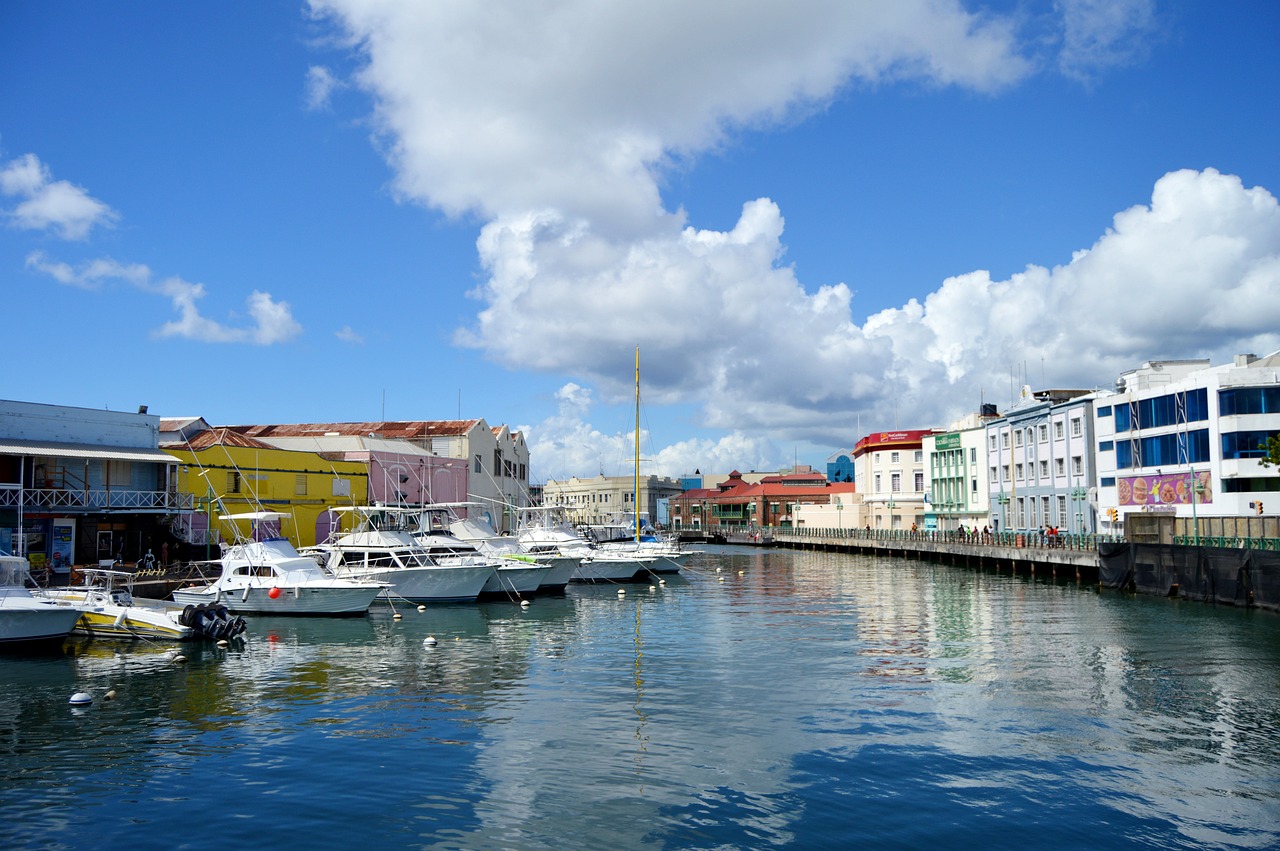
Bridgetown
Barbados
Bridgetown, the capital of Barbados, is located on the southwestern coast of the island and serves as the political, economic, and cultural center of the country. Founded in the 17th century, Bridgetown has grown into a vibrant hub for tourism, commerce, and governance in the Caribbean. The city is home to the Barbadian government and several international organizations, making it a key destination for governmental and institutional travel in the region. With its strategic location and well-developed infrastructure, Bridgetown is an important center for high-level diplomatic engagements, government operations, and international conferences.
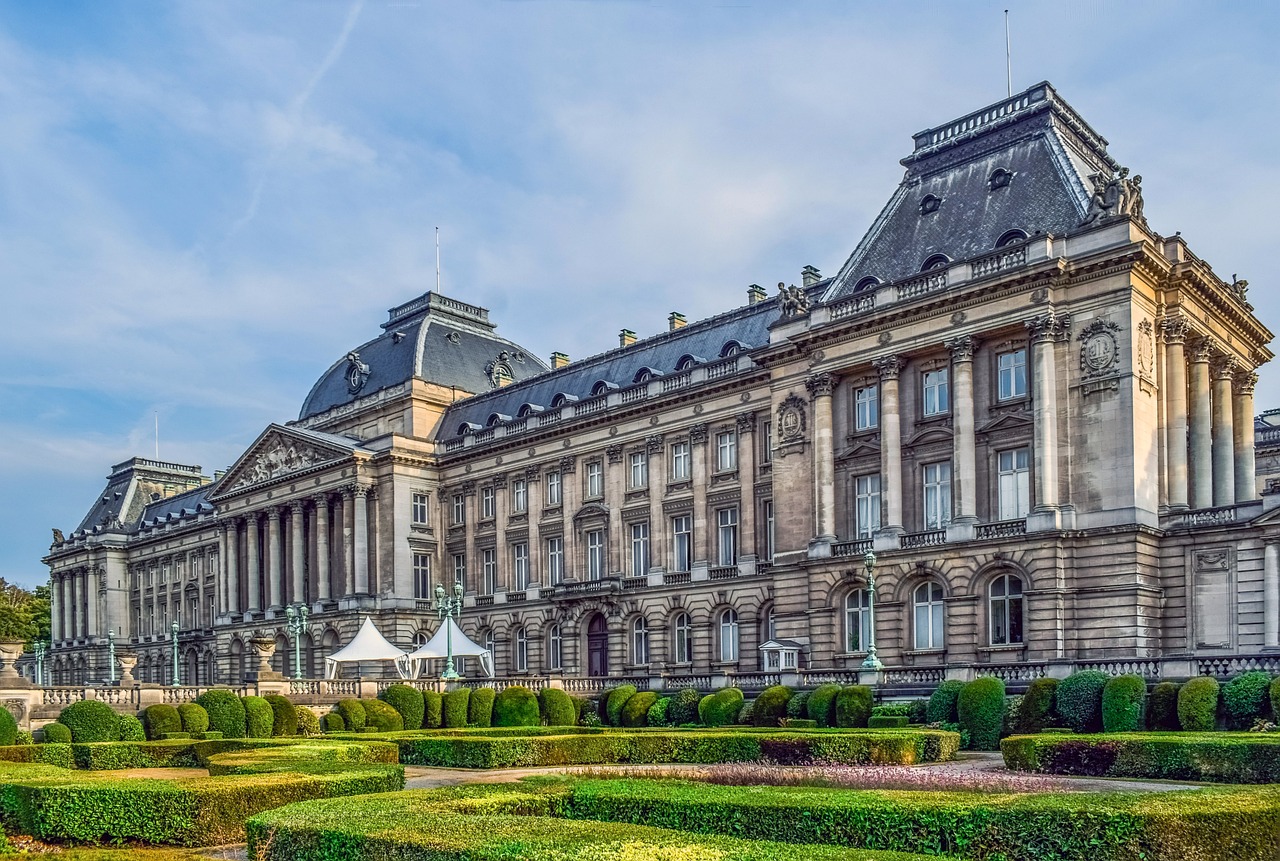
Brussels
Belgium
Brussels, the capital of Belgium, is often referred to as the heart of Europe due to its central role in European and international affairs. The city is home to the headquarters of the European Union, NATO, and numerous other international organizations, making it a key hub for diplomacy, politics, and international cooperation. With its blend of historical charm and modern infrastructure, Brussels serves as a premier destination for high-level governmental and institutional events.
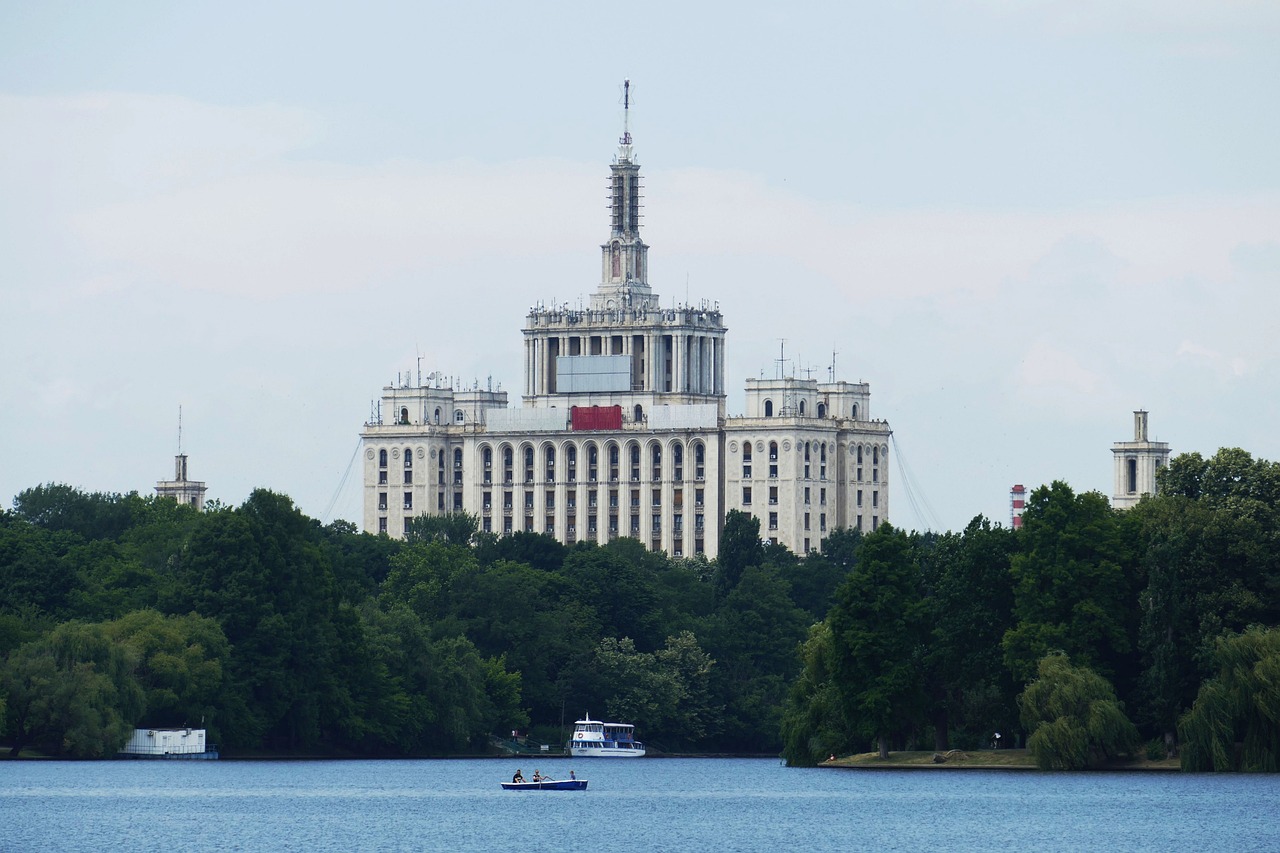
Bucharest
Romania
Bucharest, the capital of Romania, is a city known for its rich history, architectural diversity, and growing role as a political and economic center in Southeast Europe. As a major political, economic, and cultural hub, Bucharest plays a significant role in regional diplomacy and international relations. The city's blend of historic charm and modern development, along with its strategic location, makes Bucharest an important destination for governmental and institutional events.
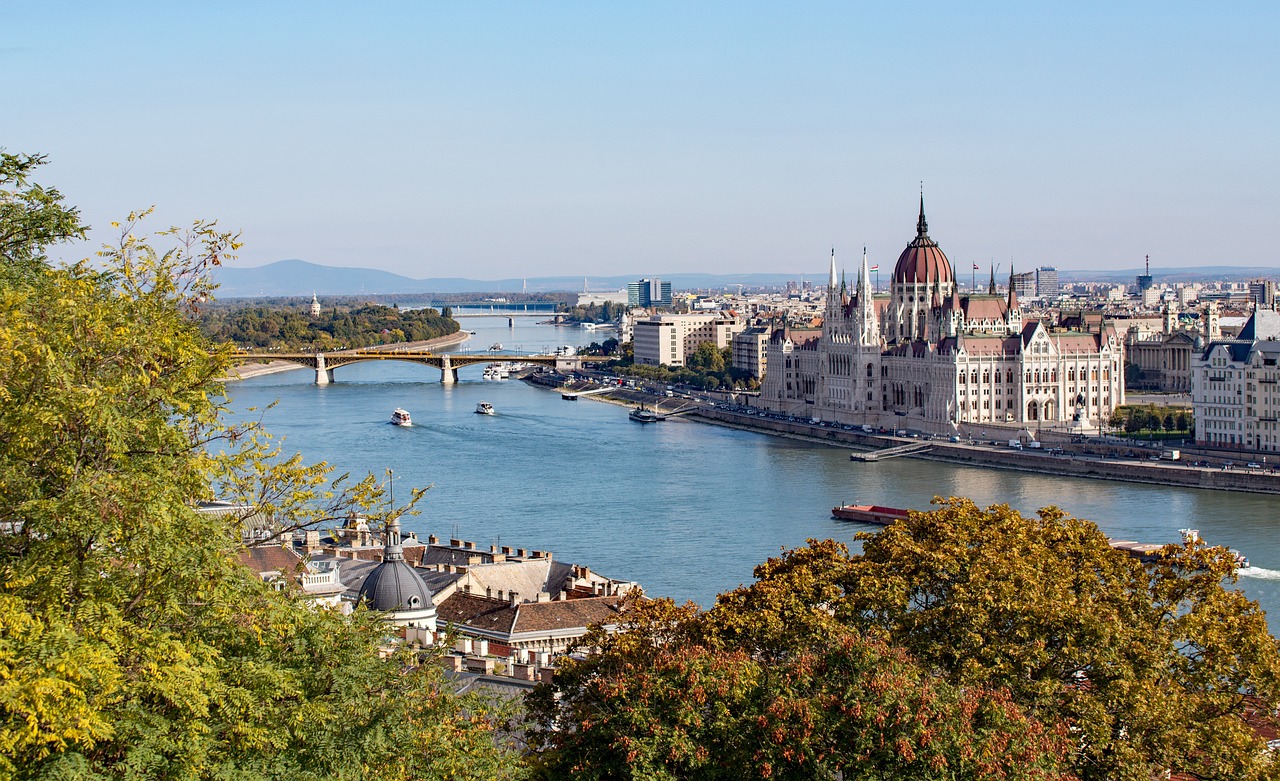
Budapest
Hungary
Budapest, the capital of Hungary, is a city known for its stunning architecture, rich history, and vibrant cultural scene. As one of Central Europe's most important urban centers, Budapest serves as a key hub for political, economic, and cultural activities in the region. The city's unique blend of historic and modern influences, along with its strategic location on the Danube River, makes Budapest an attractive destination for governmental and institutional events.

Buenos Aires
Argentina
Buenos Aires, the capital of Argentina, is located on the eastern shore of the Rio de la Plata and serves as the political, economic, and cultural center of the country. Founded in the 16th century, Buenos Aires has grown into a major hub for trade, governance, and culture in South America. The city is home to the Argentine government and numerous international organizations, making it an important destination for governmental and institutional travel in the region. With its strategic location and well-developed infrastructure, Buenos Aires is a key center for high-level diplomatic engagements, government operations, and international conferences.
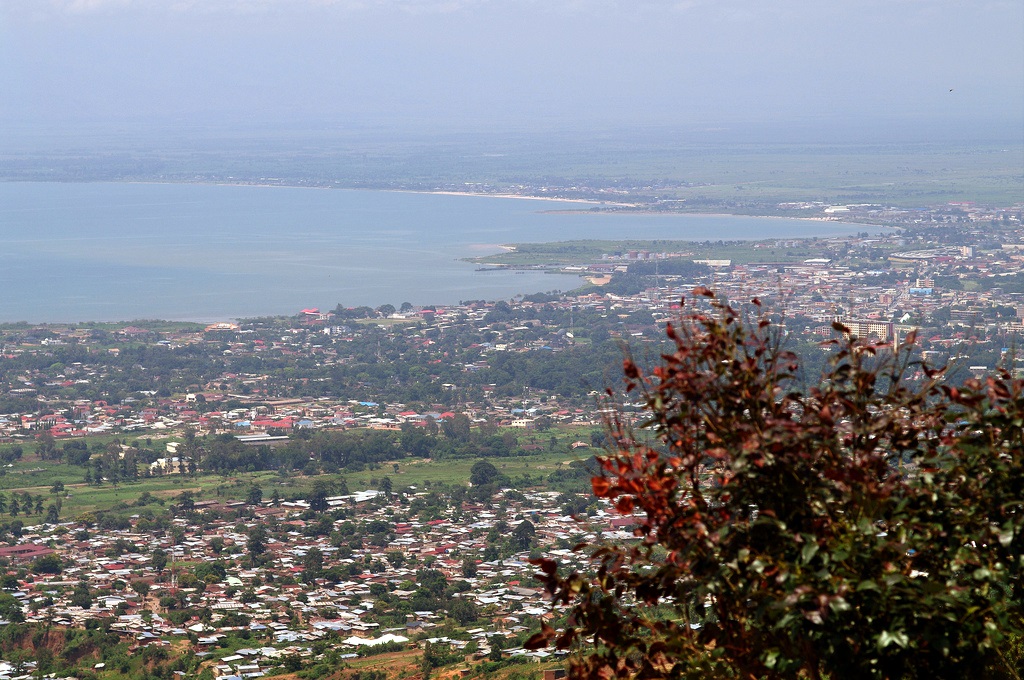
Bujumbura
Burundi
Bujumbura, the former capital and largest city of Burundi, is located on the northeastern shore of Lake Tanganyika. As the country's economic and commercial hub, Bujumbura plays a significant role in regional diplomacy and international relations in East Africa. The city is known for its strategic location and its role in regional trade, connecting Burundi with its neighbors through Lake Tanganyika and its developing infrastructure. Bujumbura's growing importance in regional cooperation, combined with its cultural heritage and economic potential, makes it an ideal destination for governmental and institutional travel, especially for discussions on peace, security, and development in the Great Lakes region.
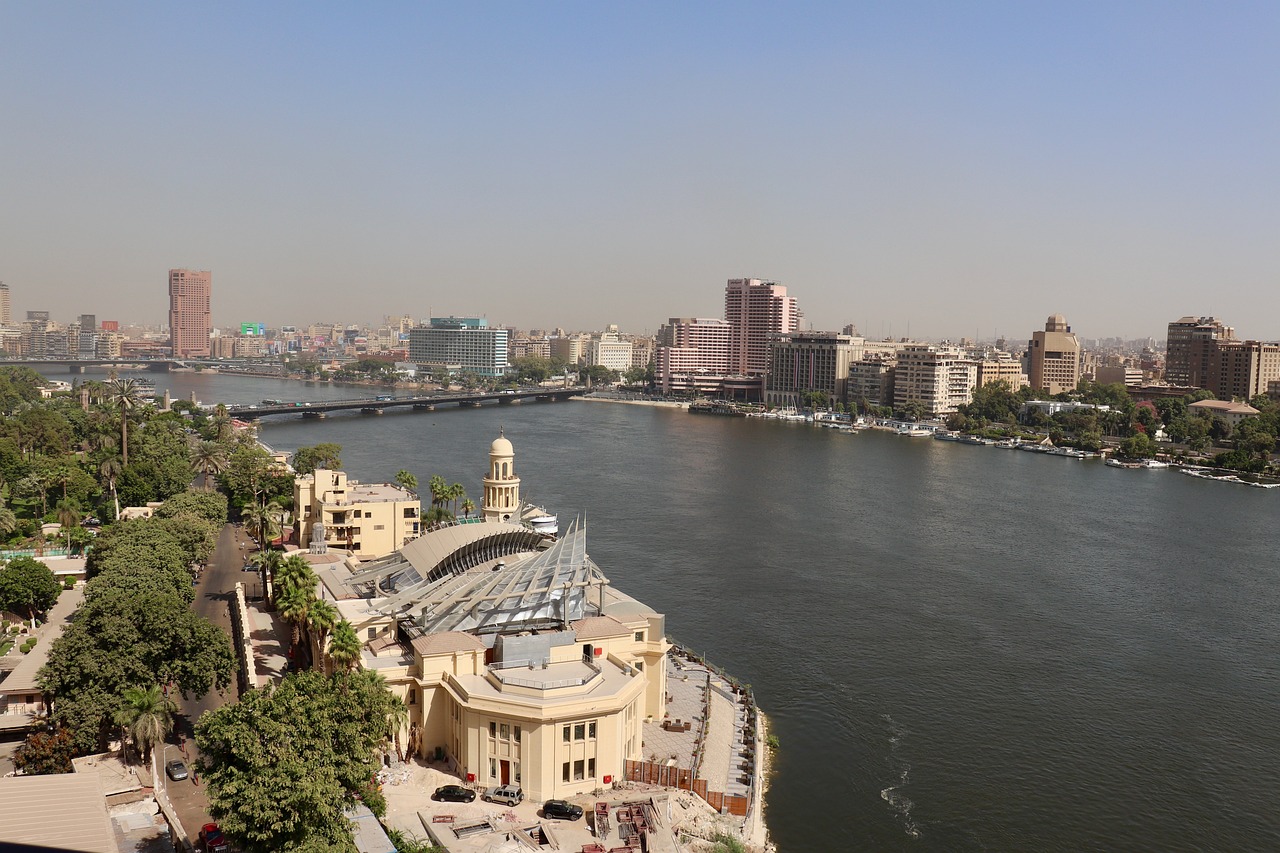
Cairo
Egypt
Cairo, the capital and largest city of Egypt, is located on the banks of the Nile River. As the political, economic, and cultural center of Egypt, Cairo plays a critical role in the Arab world and the broader Middle East, serving as a hub for diplomacy, education, and culture. The city is known for its rich history, with iconic landmarks such as the Pyramids of Giza and the Great Sphinx, alongside its bustling modern metropolis. Cairo's strategic location and its influence in regional and international affairs make it an ideal destination for governmental and institutional travel, especially for discussions on Middle Eastern diplomacy, peace, and development.

Canberra
Australia
Canberra, the capital of Australia, is a planned city that combines modernity with a strong sense of national identity. As the seat of the Australian government, Canberra is the center of the countrys politics and administration. The city is home to numerous government institutions, embassies, and international organizations, making it a strategic destination for government and institutional travel. Canberra is known for its security, advanced infrastructure, and as a crucial meeting point for diplomacy in the Asia-Pacific region.
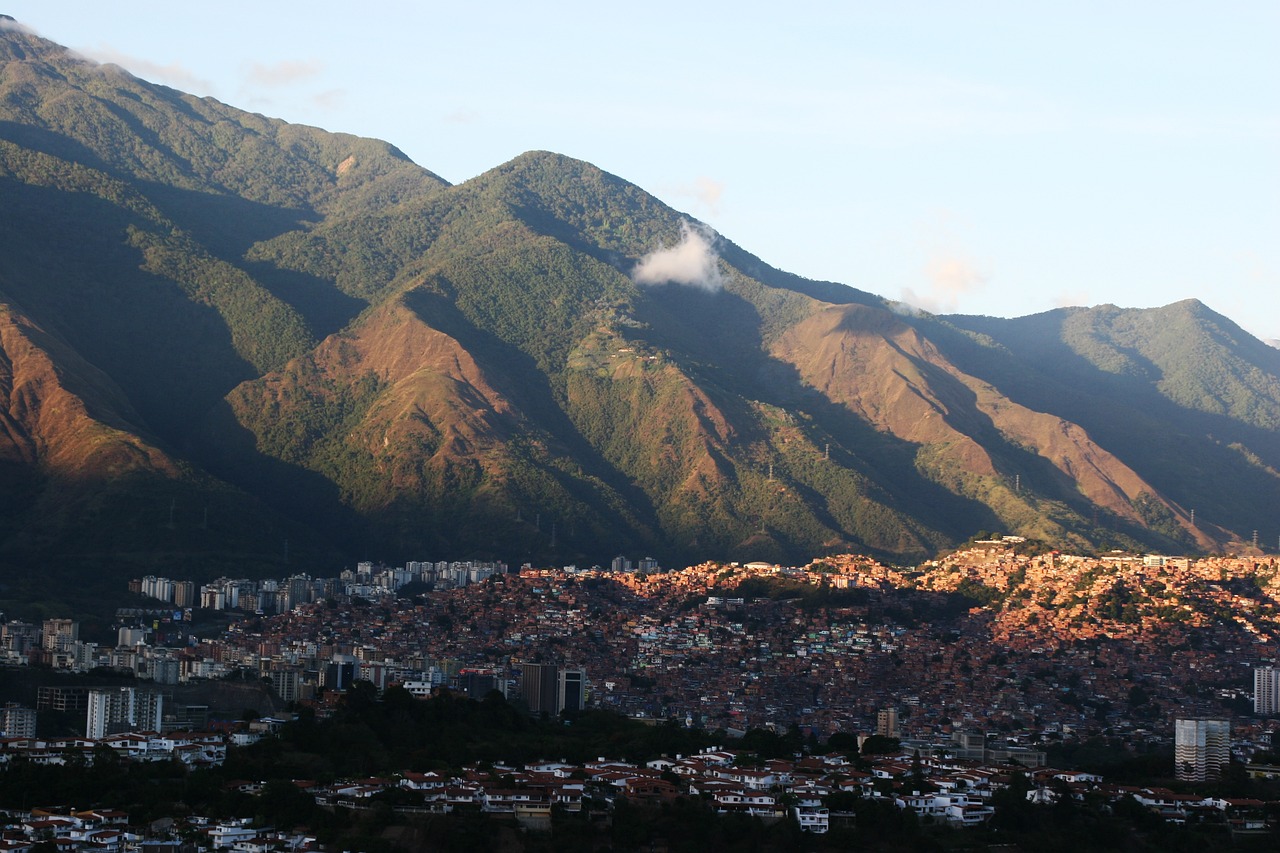
Caracas
Venezuela
Caracas, the capital of Venezuela, is located in a valley within the central-northern region of the country and serves as the political, economic, and cultural center of Venezuela. Founded in 1567, Caracas is known for its dynamic culture, rich history, and strategic importance in Latin America. The city is home to the Venezuelan government, numerous embassies, and international organizations, making it a key destination for governmental and institutional travel in the region. With its historical significance and regional influence, Caracas is an essential center for high-level diplomatic engagements, government operations, and international conferences.

Castries
Saint Lucia
Castries, the capital of Saint Lucia, is located on the northwest coast of the island and serves as the political, economic, and cultural center of the country. Founded in 1650, Castries is known for its deep natural harbor, historical landmarks, and strategic importance in the Eastern Caribbean. The city is home to the government of Saint Lucia, several embassies, and international organizations, making it a key destination for governmental and institutional travel in the region. With its historical charm and regional influence, Castries is an essential center for high-level diplomatic engagements, government operations, and international conferences.
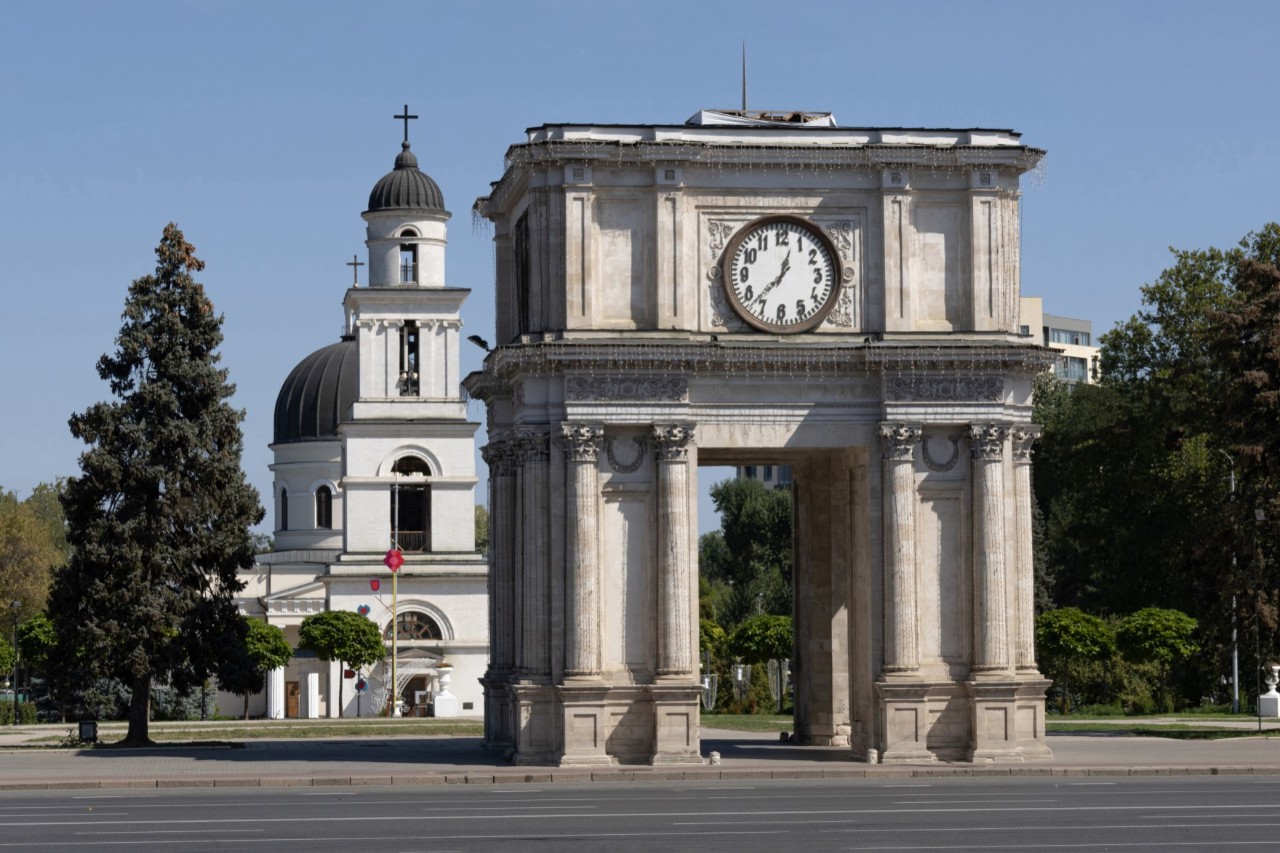
Chisinau
Moldova
Chisinau, the capital of Moldova, is a city known for its Soviet-era architecture, green spaces, and strategic importance in Eastern Europe. As the political, economic, and cultural center of Moldova, Chisinau plays a significant role in regional diplomacy and international cooperation. The city's evolving economy and its location at the crossroads of Eastern Europe make Chisinau an important destination for governmental and institutional events.
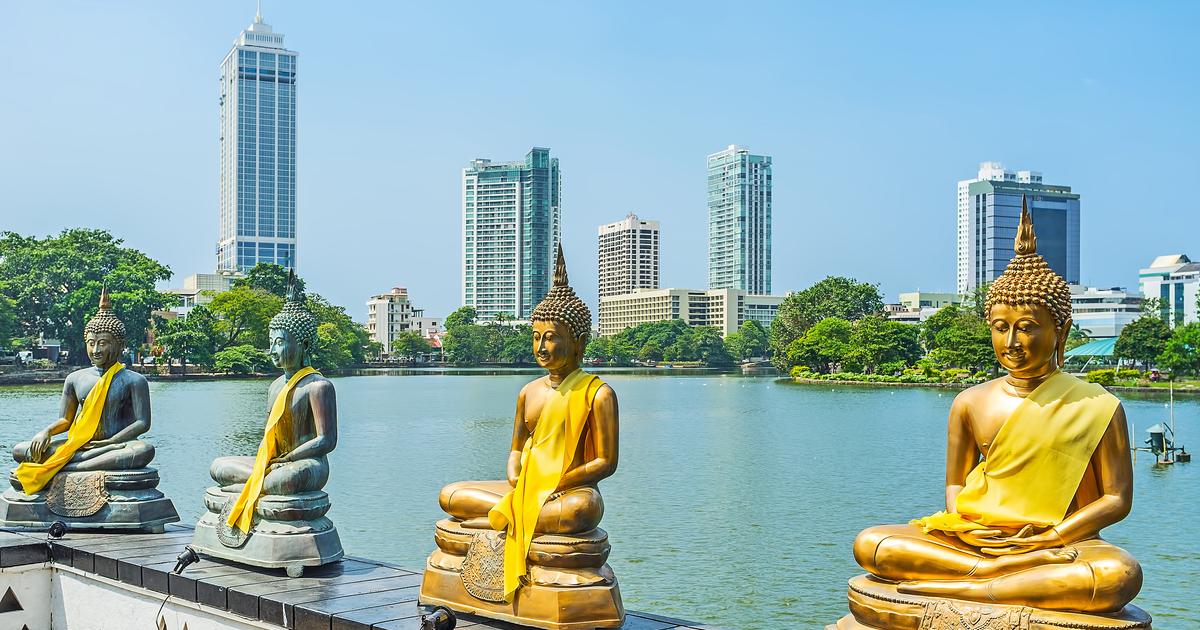
Colombo
Sri Lanka
Colombo, the commercial capital and largest city of Sri Lanka, is a key financial and cultural hub in South Asia. As the main gateway to Sri Lanka, Colombo hosts key government institutions, foreign embassies, and international organizations, making it a significant center for diplomacy and international relations. With its strategic location on the west coast of the island and its role as a major port city, Colombo plays a crucial role in regional and global diplomacy. Colombo is known for its economic importance, cultural heritage, and strategic location in the Indian Ocean region.