
GDN Destination profiles
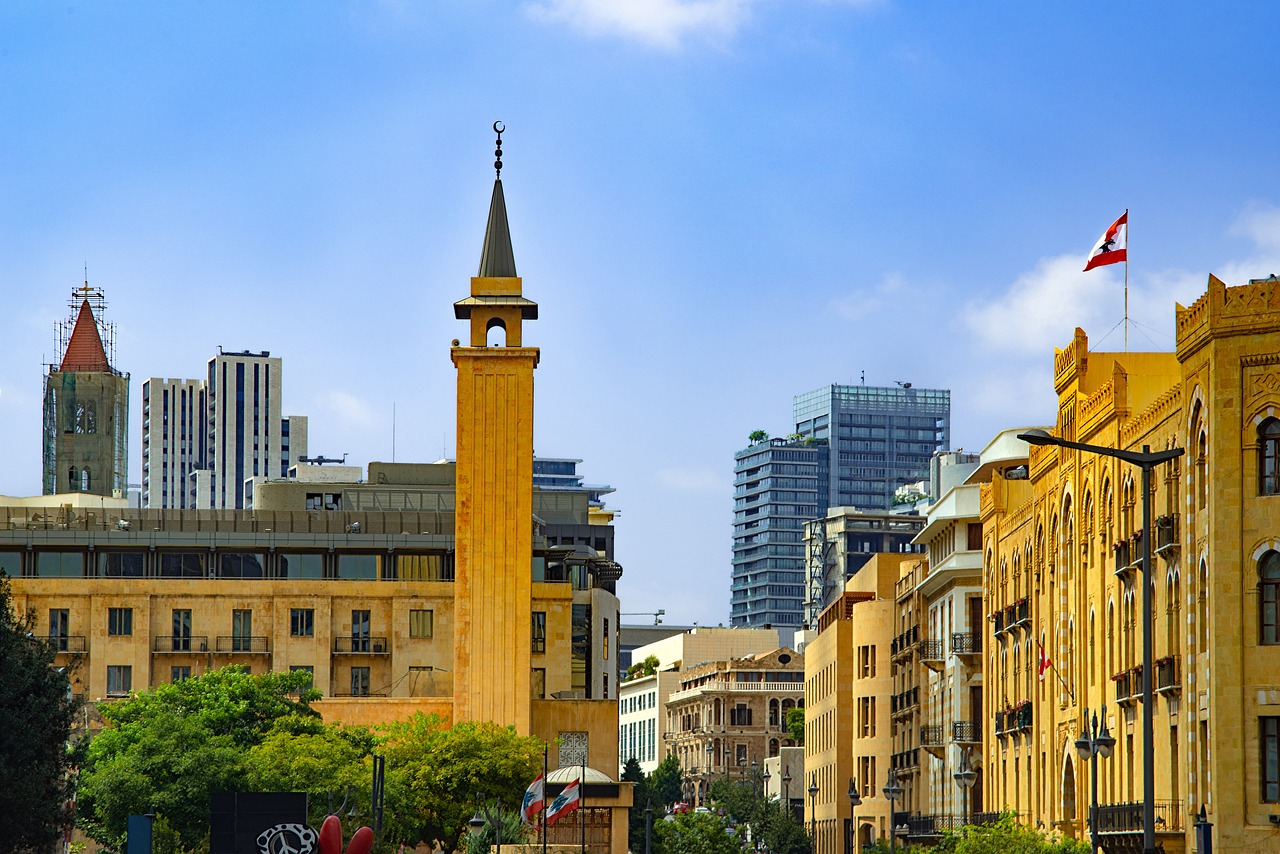
Beirut
Lebanon
Beirut, the capital of Lebanon, is a city with a rich history and a reputation as a cultural and intellectual hub in the Middle East. As the political, economic, and cultural center of Lebanon, Beirut plays a significant role in regional diplomacy and international relations. The city is home to key government institutions, foreign embassies, and international organizations, making it an essential destination for governmental and institutional visits. Despite recent challenges, Beirut remains a crucial hub for high-level diplomatic engagements and cultural exchanges in the region.

Belfast
United Kingdom
Belfast, the capital of Northern Ireland, is a city known for its rich history, cultural heritage, and strategic importance in the United Kingdom. As a major political, economic, and cultural center, Belfast plays a significant role in regional diplomacy and international relations. The city's blend of historic sites and modern developments, along with its growing economy, makes Belfast an important destination for governmental and institutional events.
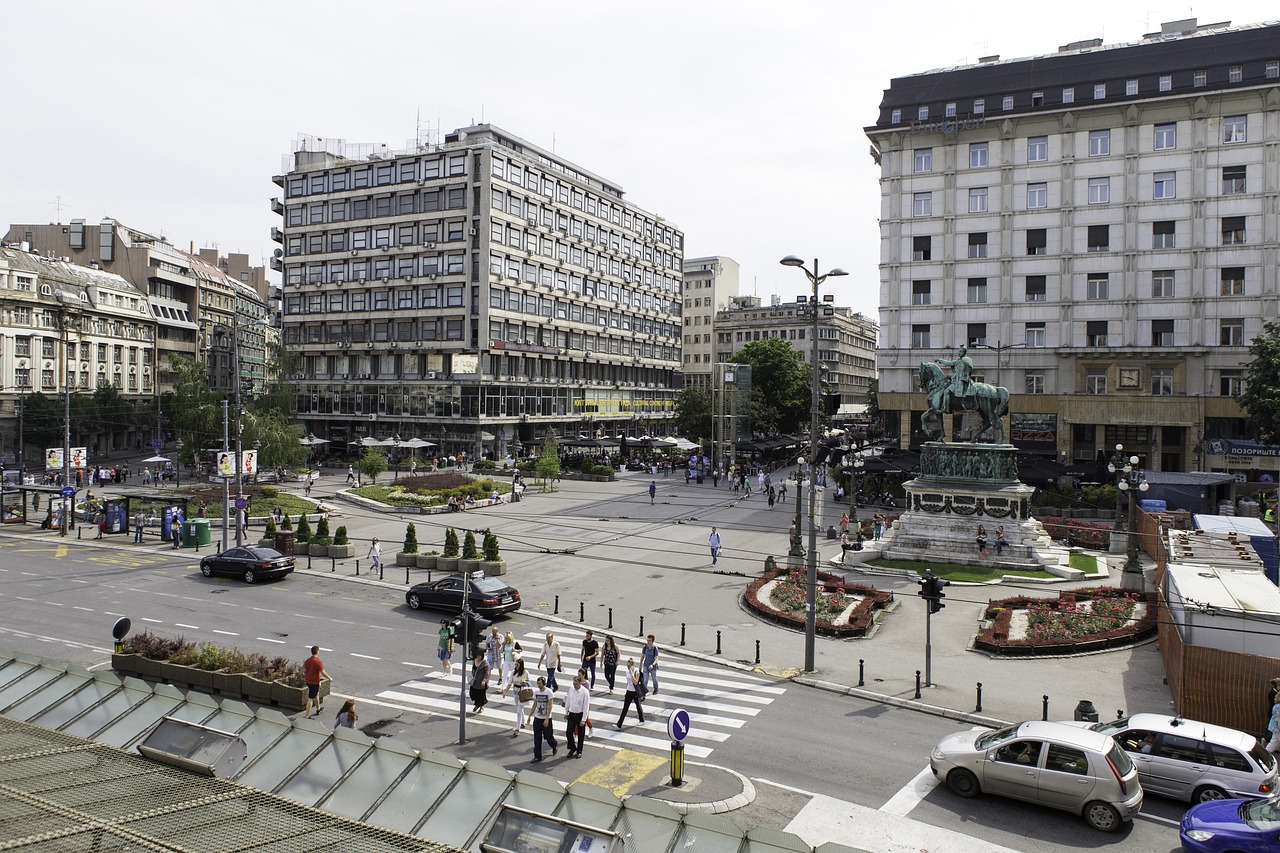
Belgrade
Serbia
Belgrade, the capital of Serbia, is a major political, economic, and cultural hub in Southeast Europe. Located at the confluence of the River Sava and the Danube, Belgrade has a history that spans over 7,000 years, making it one of the oldest continuously inhabited cities in Europe. As the seat of the Serbian government and home to numerous international organizations, Belgrade plays a crucial role in regional and international diplomacy. The city is known for its vibrant cultural scene, historic architecture, and strategic location, which have made it an attractive destination for governmental and institutional travel. Belgrade regularly hosts high-level meetings and conferences, underscoring its importance as a key destination for international cooperation and dialogue.
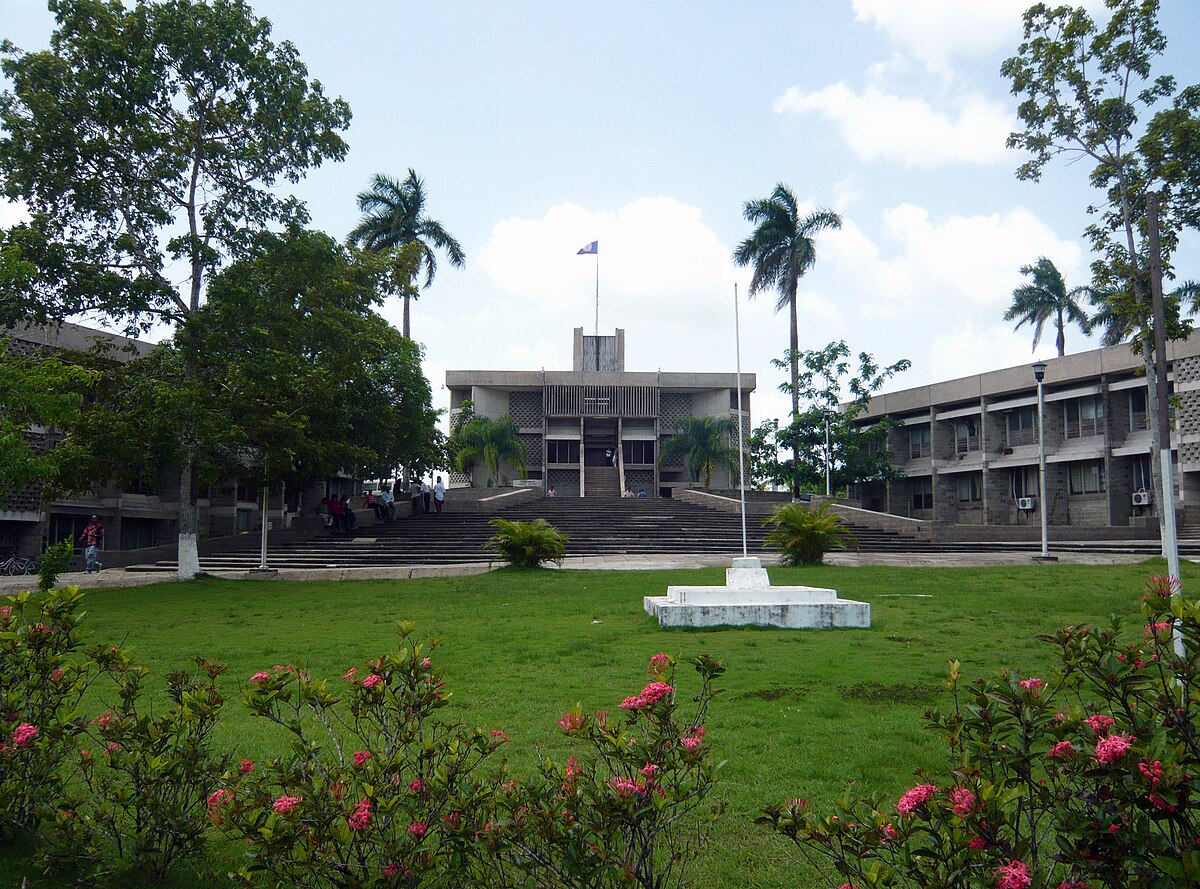
Belmopan
Belize
Belmopan, the capital of Belize, is located in the western part of the country and serves as the political, economic, and cultural center of Belize. Founded in 1970 after Hurricane Hattie devastated the previous capital, Belize City, Belmopan has grown into an important hub for governance and administration in Central America. The city is home to the Belizean government and several international organizations, making it a key destination for governmental and institutional travel in the region. With its strategic location and ongoing development, Belmopan is an important center for high-level diplomatic engagements, government operations, and international conferences.

Berlin
Germany
Berlin, the capital of Germany, is a city that stands out as a political, economic, and cultural epicenter in Europe. Since the fall of the Berlin Wall, the city has consolidated its position as a symbol of German reunification and European diplomatic power. Its importance in international diplomacy is undeniable, hosting not only the main institutions of the German government but also a large number of international events and meetings that highlight its role in global politics. Berlin combines its rich history with modern infrastructure, making it a preferred destination for high-level government and institutional visits.
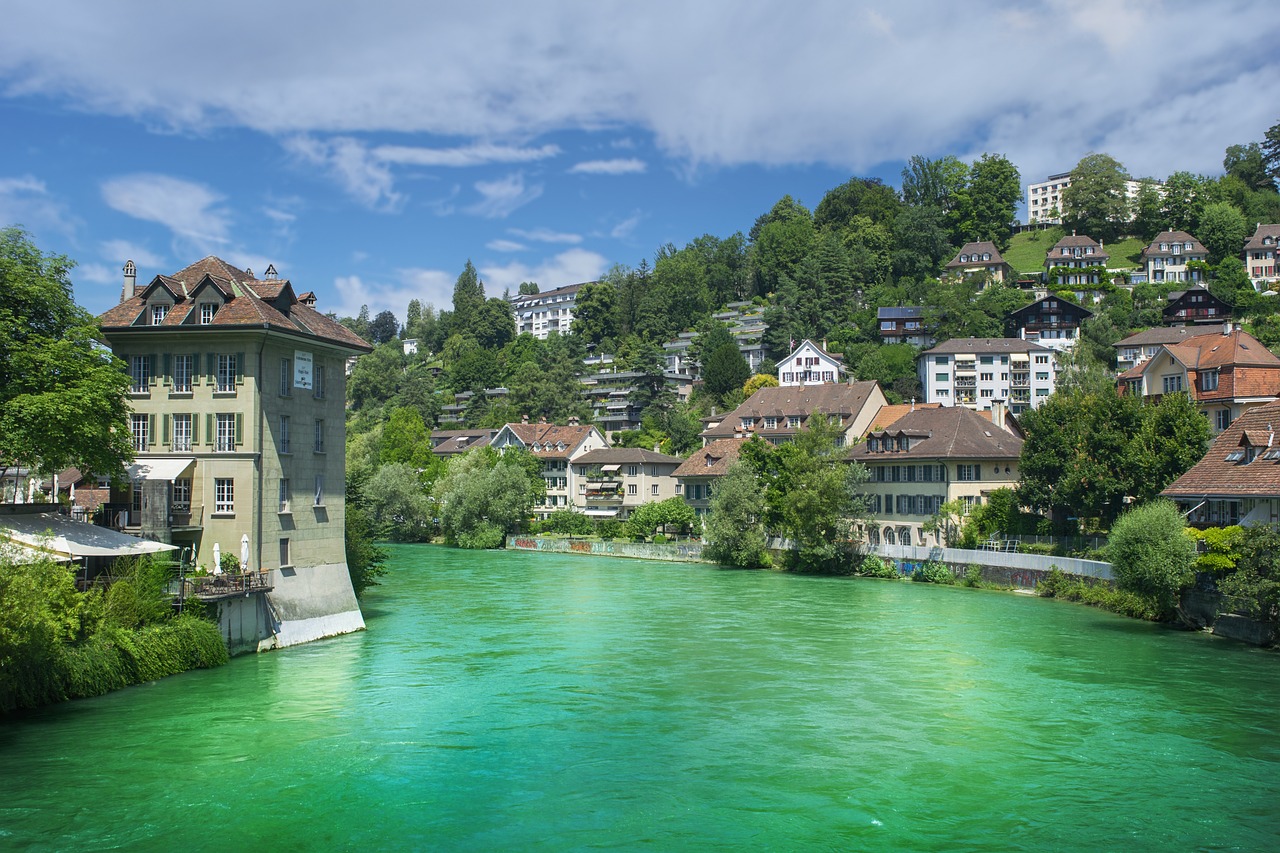
Bern
Switzerland
Bern, the capital of Switzerland, is a city steeped in history and known for its political significance, charming old town, and picturesque setting along the River Aare. As the seat of the Swiss Federal Government and numerous international organizations, Bern plays a central role in both Swiss and international diplomacy. The city is renowned for its well-preserved medieval architecture, which is a UNESCO World Heritage site, and for its commitment to neutrality, making it a preferred location for international negotiations and governmental meetings. Bern's efficient infrastructure, combined with its political stability and central location in Europe, makes it an ideal destination for governmental and institutional travel. The city frequently hosts international conferences and summits, underscoring its importance as a hub for diplomacy and global cooperation.

Bishkek
Kyrgyzstan
Bishkek, the capital city of Kyrgyzstan, is the political, economic, and cultural center of the country. As one of the key cities in Central Asia, Bishkek hosts major government institutions, foreign embassies, and international organizations, making it an important hub for diplomacy and international relations in the region. With its strategic location and growing importance in Central Asia, Bishkek plays a crucial role in regional and global diplomacy. Bishkek is known for its cultural heritage, strategic location, and role in fostering regional cooperation.

Bissau
Guinea-Bissau
Bissau, the capital and largest city of Guinea-Bissau, is located on the Geba River estuary, near the Atlantic Ocean. As the political and economic center of Guinea-Bissau, Bissau plays a significant role in West African diplomacy and international relations. The city is known for its Portuguese colonial architecture, vibrant culture, and its strategic importance as a port city in the region. Bissau's location and its growing influence in regional affairs make it an essential destination for governmental and institutional travel, particularly for discussions on peace, security, and development in West Africa.
Bogota
Colombia
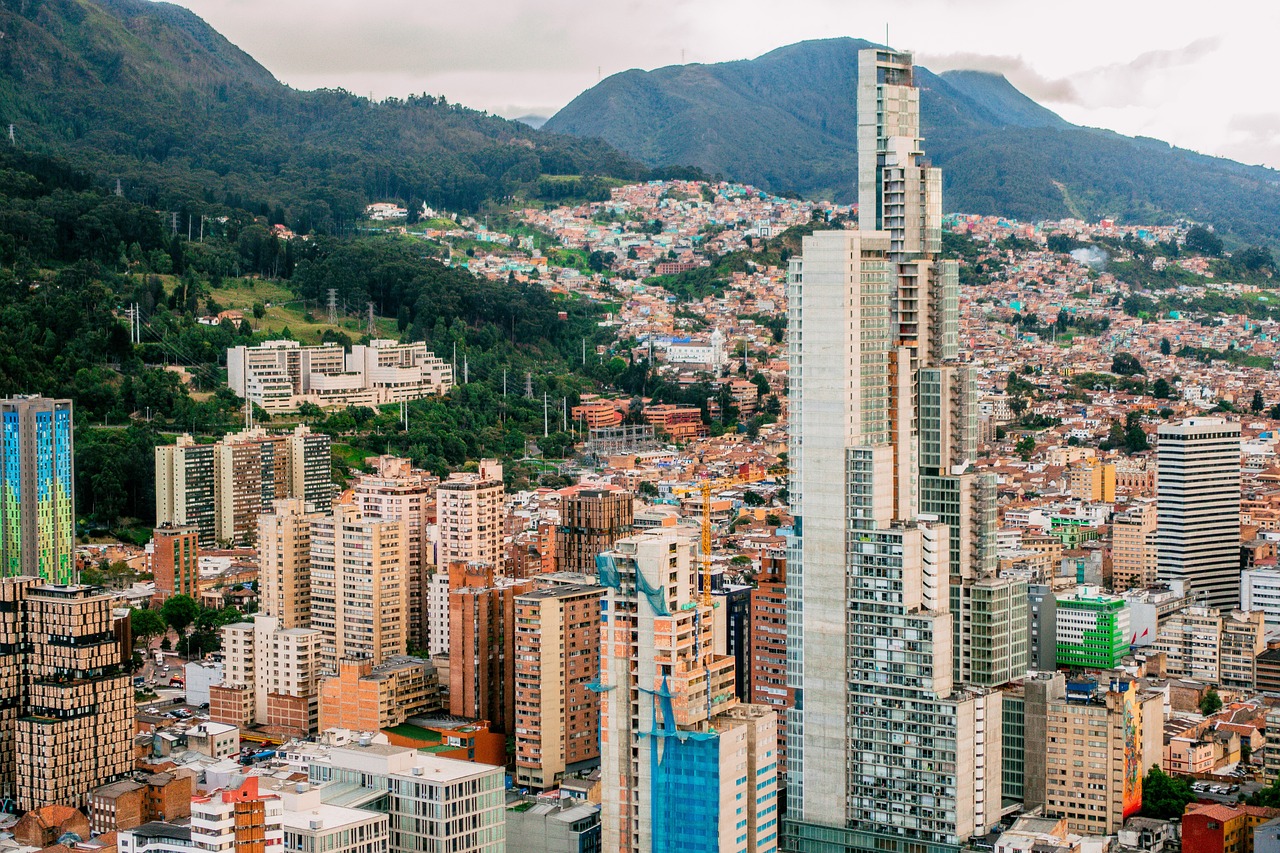
Bogota, the capital of Colombia, is located in the Andean region and serves as the country's political, economic, and cultural center. Founded in 1538, Bogota has grown into one of the most important cities in Latin America, known for its rich history, vibrant culture, and dynamic economy. The city is home to the Colombian government, numerous embassies, and international organizations, making it a key destination for governmental and institutional travel in the region. With its strategic location and well-developed infrastructure, Bogota is an important center for high-level diplomatic engagements, government operations, and international conferenceS.
Brasilia
Brazil
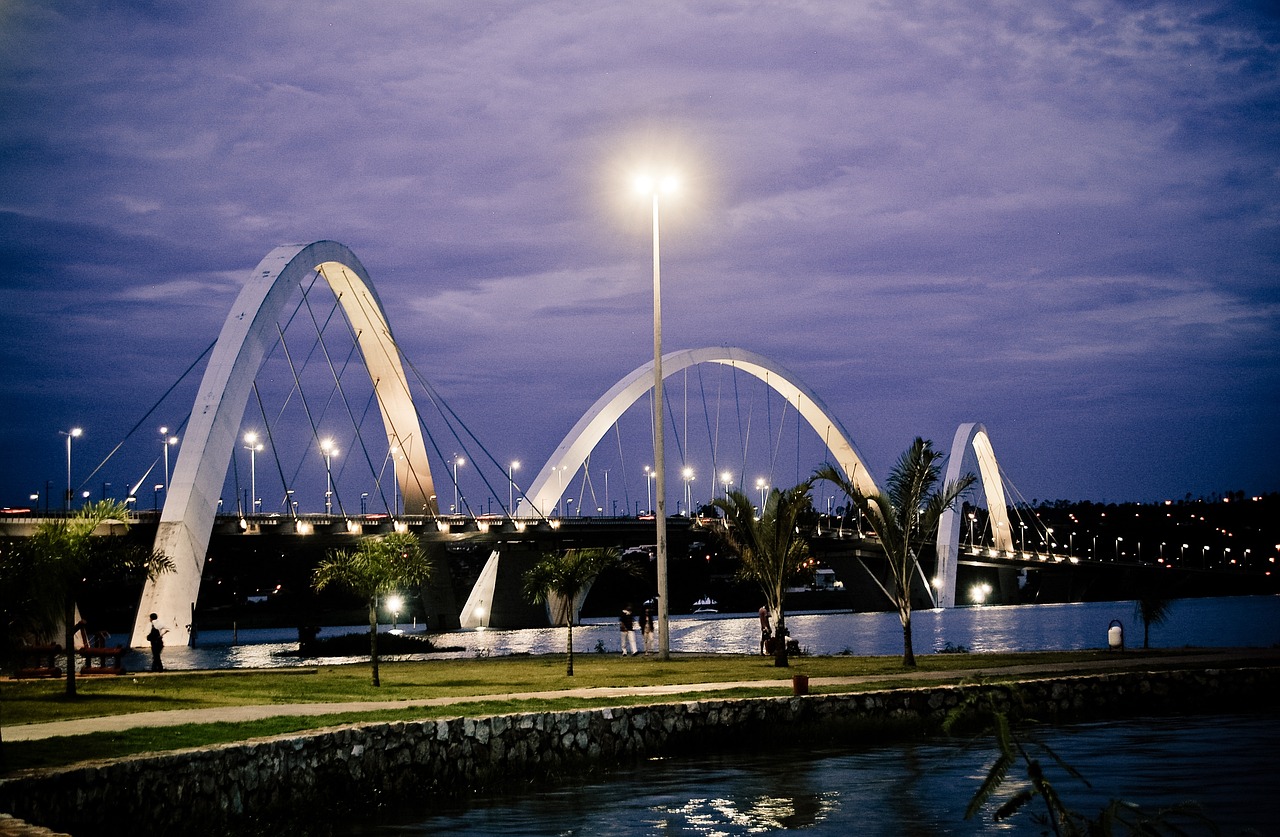
Brasilia, the capital of Brazil, is located in the central part of the country and serves as the political, economic, and cultural center of the nation. Founded in 1960, Brasilia was planned and developed as a modern city, designed by the renowned architect Oscar Niemeyer and urban planner Lucio Costa. The city is home to the Brazilian government and numerous international organizations, making it a key destination for governmental and institutional travel in South America. With its strategic location and well-developed infrastructure, Brasilia is an important center for high-level diplomatic engagements, government operations, and international conferences.

Bratislava
Slovakia
Bratislava, the capital of Slovakia, is a city that blends historical charm with modern innovation. Positioned on the banks of the Danube River and bordering Austria and Hungary, Bratislava is a strategic hub for diplomacy and cross-border cooperation in Central Europe. Its proximity to Vienna, along with its growing influence in European affairs, makes it a significant destination for governmental and institutional events.

Brazzaville
Rep. of the Congo
Brazzaville, the capital and largest city of the Republic of the Congo, is located on the northern bank of the Congo River, directly across from Kinshasa, the capital of the Democratic Republic of the Congo. As the political and administrative heart of the Republic of the Congo, Brazzaville plays a vital role in Central African diplomacy and international relations. The city is known for its rich cultural heritage, vibrant arts scene, and historical significance as a center of French colonial administration in Central Africa. Brazzaville's strategic location along the Congo River, combined with its influence in regional and international affairs, makes it an ideal destination for governmental and institutional travel, especially for discussions on peace, security, and economic development in the Central African region.