
GDN Destination profiles
Washington DC
United States
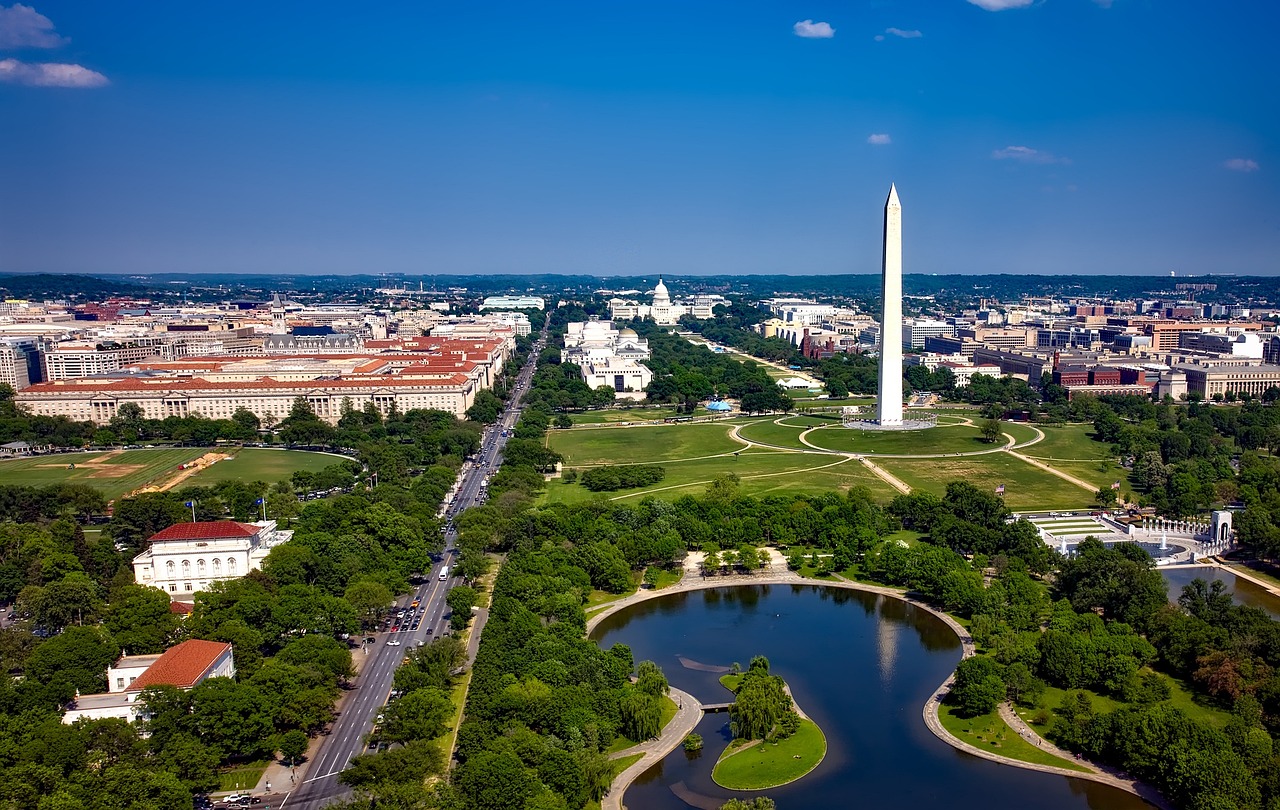
Washington DC, the capital of the United States, is located on the east coast of the country and serves as its political, economic, and cultural center. Founded in 1790, Washington DC has grown into a global city known for its historical significance, political institutions, and influence in international affairs. The city is home to the US federal government, numerous embassies, and international organizations, making it a key destination for governmental and institutional travel worldwide. With its strategic location and global importance, Washington DC is an essential center for high-level diplomatic engagements, government operations, and international conferences.

Wellington
New Zealand
Wellington, the capital city of New Zealand, is the political, economic, and cultural heart of the nation. As the seat of the government, Wellington hosts key government institutions, foreign embassies, and international organizations, making it a significant hub for diplomacy and international relations. With its strategic location in the South Pacific and its vibrant cultural scene, Wellington plays a crucial role in regional and global diplomacy. Wellington is known for its cultural vibrancy, political importance, and role in fostering international cooperation in the Pacific.

Windhoek
Namibia
Windhoek, the capital and largest city of Namibia, is located in the central part of the country. As the political, economic, and cultural center of Namibia, Windhoek plays a significant role in Southern African diplomacy and international relations. The city is known for its blend of German colonial architecture and modern urban development, as well as its strategic importance as a hub for governance and trade in the region. Windhoek's location and its influence in regional affairs make it an essential destination for governmental and institutional travel, particularly for discussions on sustainable development, peace, and security in Southern Africa.
Yamena
Chad
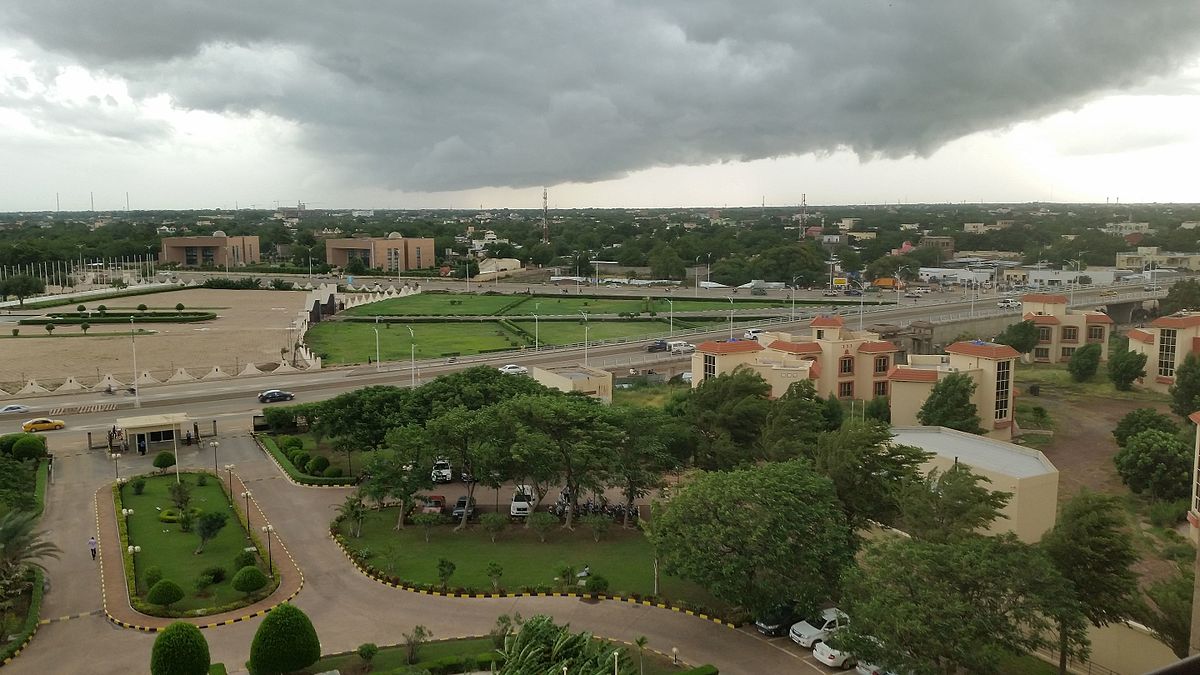
N'Djamena, the capital and largest city of Chad, is located at the confluence of the Chari and Logone rivers. As the political, economic, and cultural hub of Chad, N'Djamena plays a critical role in Central African diplomacy and international relations, particularly in the context of regional security and development. The city is known for its strategic location near the borders with Cameroon and Nigeria, making it a vital center for trade and cross-border cooperation. N'Djamena's growing influence in regional diplomacy, coupled with its importance in international efforts to combat terrorism in the Sahel, makes it an ideal destination for governmental and institutional travel.
Yamoussoukro
Ivory Coast
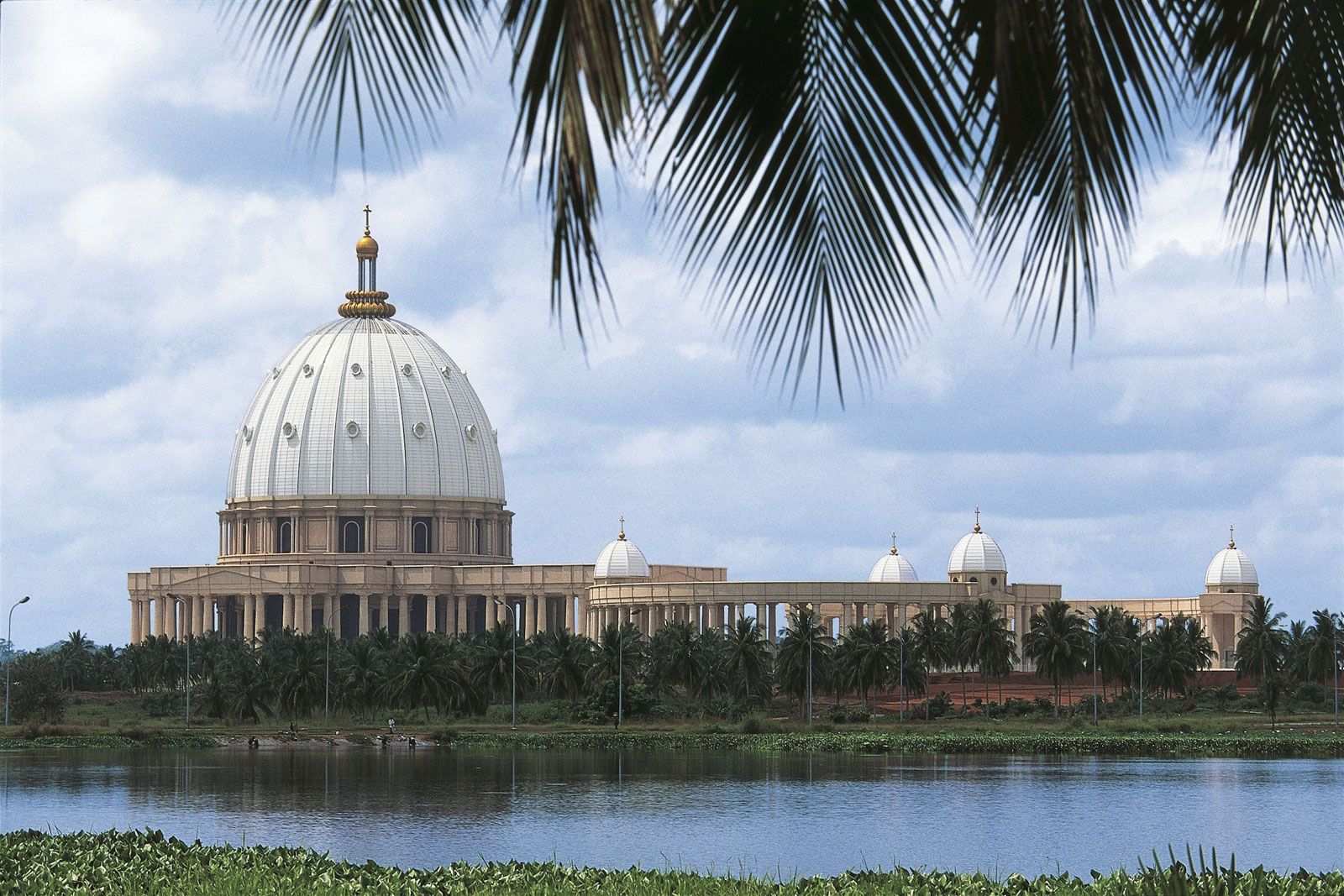
Yamoussoukro, the political capital and administrative center of Ivory Coast, is located in the central part of the country. Although Abidjan is the economic capital, Yamoussoukro serves as the seat of the national government and is home to several important government institutions. The city is known for its unique blend of modernity and tradition, as well as its impressive landmarks, including the Basilica of Our Lady of Peace, one of the largest churches in the world. Yamoussoukro's strategic location and its role as the political heart of Ivory Coast make it an ideal destination for governmental and institutional travel, particularly for discussions on African development, peace, and security.

Yaounde
Cameroon
Yaounde, the capital and second-largest city of Cameroon, is located in the central region of the country. Known as the political and administrative hub of Cameroon, Yaounde is home to many government institutions and foreign embassies. The city is characterized by its hilly terrain and lush greenery, offering a blend of modernity and tradition in its architecture and culture. Yaounde's strategic location in Central Africa, coupled with its growing influence in regional and international diplomacy, makes it an ideal destination for governmental and institutional travel, particularly for discussions on African development, peace, and security.

Zagreb
Croatia
Zagreb, the capital of Croatia, is a city with a rich historical and cultural heritage, playing a central role in the political and economic landscape of the Western Balkans. Situated at the crossroads of Central Europe, the Mediterranean, and Southeast Europe, Zagreb serves as an important hub for regional cooperation and diplomacy. The city's modern infrastructure, combined with its historical charm, makes it a key destination for governmental and institutional events in the region.