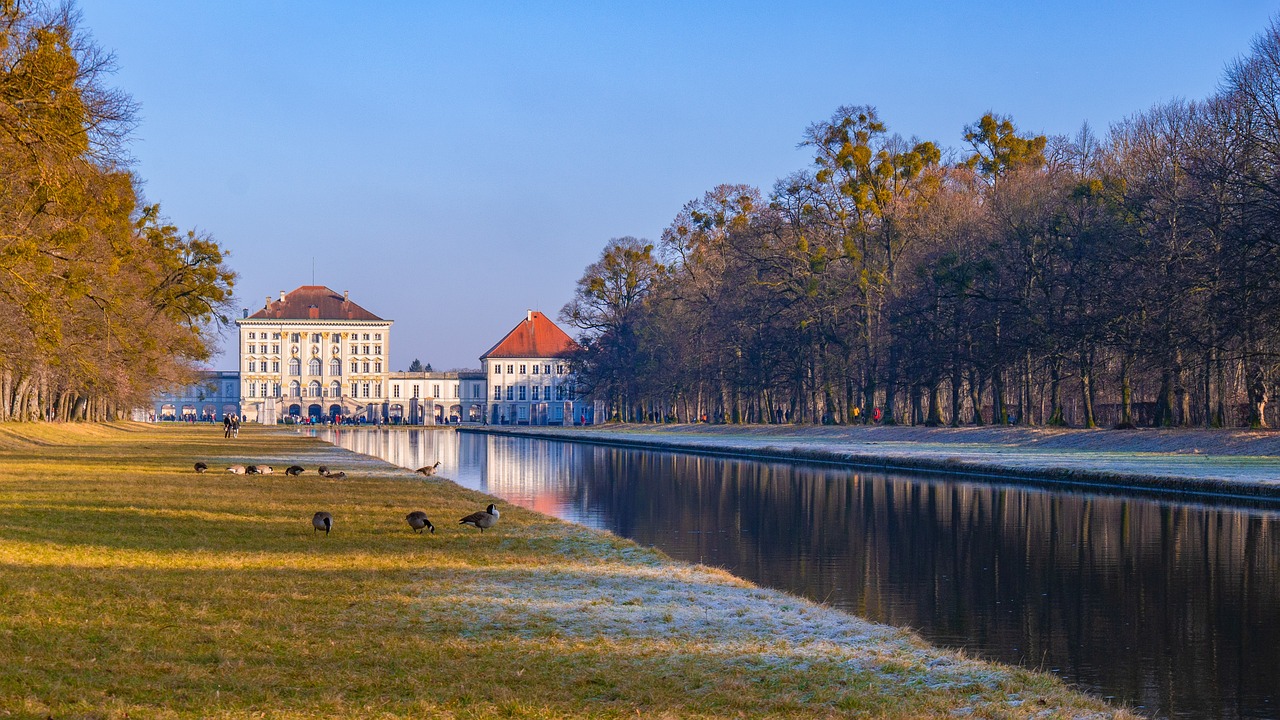
Munich
Germany
GOVERNMENTAL DESTINATION
General information
Munich, the capital of Bavaria, is one of Germanys most important cities, known for its cultural wealth, vibrant economy, and central role in international diplomacy. With a history that blends tradition and modernity, Munich has established itself as a crucial hub for international cooperation and European politics. The city is a preferred destination for high-level governmental conferences and meetings, thanks to its advanced infrastructure and its capacity to host events that require cutting-edge technology and security.
Testimonials
Angela Merkel, former Chancellor of Germany: 'Munich is a pillar of European diplomacy, providing an ideal environment for key discussions.' (Source: Speech at the Munich Security Conference, 2015). Jens Stoltenberg, Secretary General of NATO: 'The Munich Security Conference is essential for addressing global security challenges.' (Source: Speech at the Munich Security Conference, 2021). Barack Obama, former President of the United States: 'Munich is a city that embodies the spirit of international cooperation.' (Source: Speech during the G7 Summit, 2015).
Importance of the GITT sector
Munich is a key player in international diplomacy, attracting delegations and events from around the world. Its significance lies not only in its robust economy but also in its ability to serve as a meeting point for political discussions of global relevance. The city is renowned for its excellence in organizing high-level events that facilitate cooperation and dialogue among nations.
Diplomacy and institutions
Munich hosts 112 consulates and several offices of international organizations, highlighting its importance in European diplomacy. Among the prominent organizations are the European Space Agency (ESA) and the Max Planck Institute for Comparative Public Law and International Law, both playing crucial roles in research and international cooperation.

Rail and conections
Munich is a central hub in the European railway network, with Munich Central Station (Munchen Hauptbahnhof) connecting the city with other major capitals through high-speed trains. The internal transport system is highly efficient, including an extensive network of metro (U-Bahn) and suburban trains (S-Bahn), complemented by bus and tram services.

Airports
Munich Airport (MUC), located about 28 km northeast of the city, is one of Europes most important airports, handling both commercial and private flights. With modern facilities and VIP services, the airport is well-prepared to receive high-level delegations with maximum comfort and security.

Venues
Munich offers several top-tier venues, such as the International Congress Center Munich (ICM) and the Nymphenburg Palace. These venues are equipped with the latest technology and advanced security measures, making them ideal for hosting large-scale governmental and institutional events.
Economic, social and cultural impact of the sector on the destination
Governmental and institutional events in Munich account for approximately 10% of the total spending in the citys service sector, according to data from the Munich City Council. These events generate significant revenue for the hotel, restaurant, and transportation industries, and also reinforce Munichs status as a global hub for diplomacy and cultural exchange.

Governmental events
Munich has hosted significant governmental and institutional events, such as the Munich Security Conference, held annually since 1963, and the G7 Summit in 2015, which attracted the worlds most powerful leaders.

Sustenability and RSC
Munich is committed to sustainability in the organization of events. The city has implemented renewable energy policies in its main venues and actively promotes the reduction of carbon footprints through public transport use and other sustainable practices during major events.