Kuwait
Kuwait
GOVERNMENTAL DESTINATION
General information
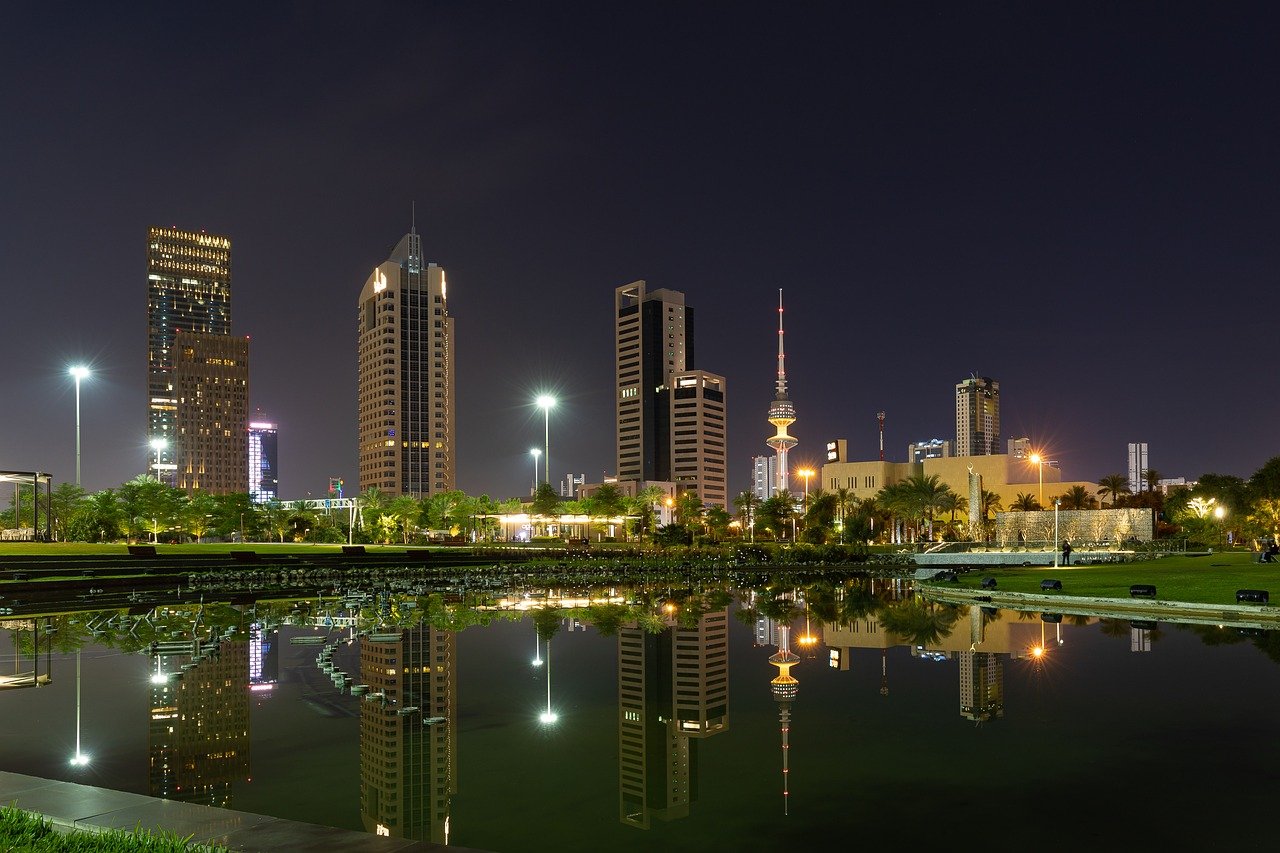
Kuwait City, the capital of Kuwait, is a modern metropolis that plays a significant role in the Middle East's political and economic landscape. As the political, economic, and cultural center of Kuwait, the city is a key player in regional diplomacy and international relations. Kuwait City is home to important government institutions, foreign embassies, and international organizations, making it an essential destination for governmental and institutional visits. The city's strategic location on the Persian Gulf further enhances its importance as a hub for high-level diplomatic engagements and business activities.

Testimonials
Kuwaiti Emir Sheikh Nawaf Al-Ahmad Al-Jaber Al-Sabah: 'Kuwait City is not just the heart of Kuwait, but a beacon of peace and cooperation in the Gulf' (Source: Speech at the Kuwait International Conference 2018). United Nations Secretary-General Antonio Guterres: 'Kuwait City plays a vital role in regional stability and global peace efforts' (Source: Remarks during his visit to Kuwait in 2019). Former U.S. Secretary of State John Kerry: 'Kuwait City is a key partner in promoting peace and stability in the Middle East' (Source: Statement in 2016).
Importance of the GITT sector
Kuwait City is recognized as a central hub for diplomacy and international relations in the Gulf region. Its strategic importance, coupled with its role in promoting regional security and economic cooperation, makes it a vital location for governmental and institutional meetings and events.
Diplomacy and institutions
Kuwait City hosts more than 85 embassies and diplomatic missions, reflecting its significance as a center for international diplomacy. Key international organizations, such as the United Nations Development Programme (UNDP) and the World Health Organization (WHO), have offices in Kuwait City, underscoring the city's role in global governance and humanitarian efforts.

Rail and conections
Kuwait City's transportation infrastructure includes an efficient road network, bus services, and private car options. Although Kuwait does not have a rail system, private transportation options, including secure vehicles with drivers, are available for governmental delegations to ensure safe and efficient travel within the city.

Airports
Kuwait City is served by Kuwait International Airport (KWI), which handles both international and private flights. The airport provides secure facilities for official delegations, including VIP lounges and enhanced security protocols.

Venues
Kuwait City offers several top venues for high-level governmental and institutional events. The Kuwait International Fairgrounds and the Jumeirah Messilah Beach Hotel are among the leading locations, equipped with modern amenities and advanced security measures to host important meetings and conferences.
Economic, social and cultural impact of the sector on the destination
Governmental and institutional events contribute significantly to Kuwait City's economy, particularly in the hospitality, transport, and service sectors. These events also enhance Kuwait City's cultural standing and promote it as a center for international dialogue and cooperation.

Governmental events
Kuwait City has hosted several significant international events, such as the Kuwait International Conference for the Reconstruction of Iraq in 2018 and the Arab League Summit in 2014. These events underscore Kuwait City's role as a key venue for discussions on regional and global issues.

Sustenability and RSC
Kuwait City is committed to sustainability and has implemented various initiatives to ensure that governmental events are environmentally responsible. Efforts include promoting the use of renewable energy in major venues and encouraging eco-friendly transportation options. These measures reflect Kuwait City's commitment to sustainability in hosting international events.