Istanbul
Turkey
GOVERNMENTAL DESTINATION
General information
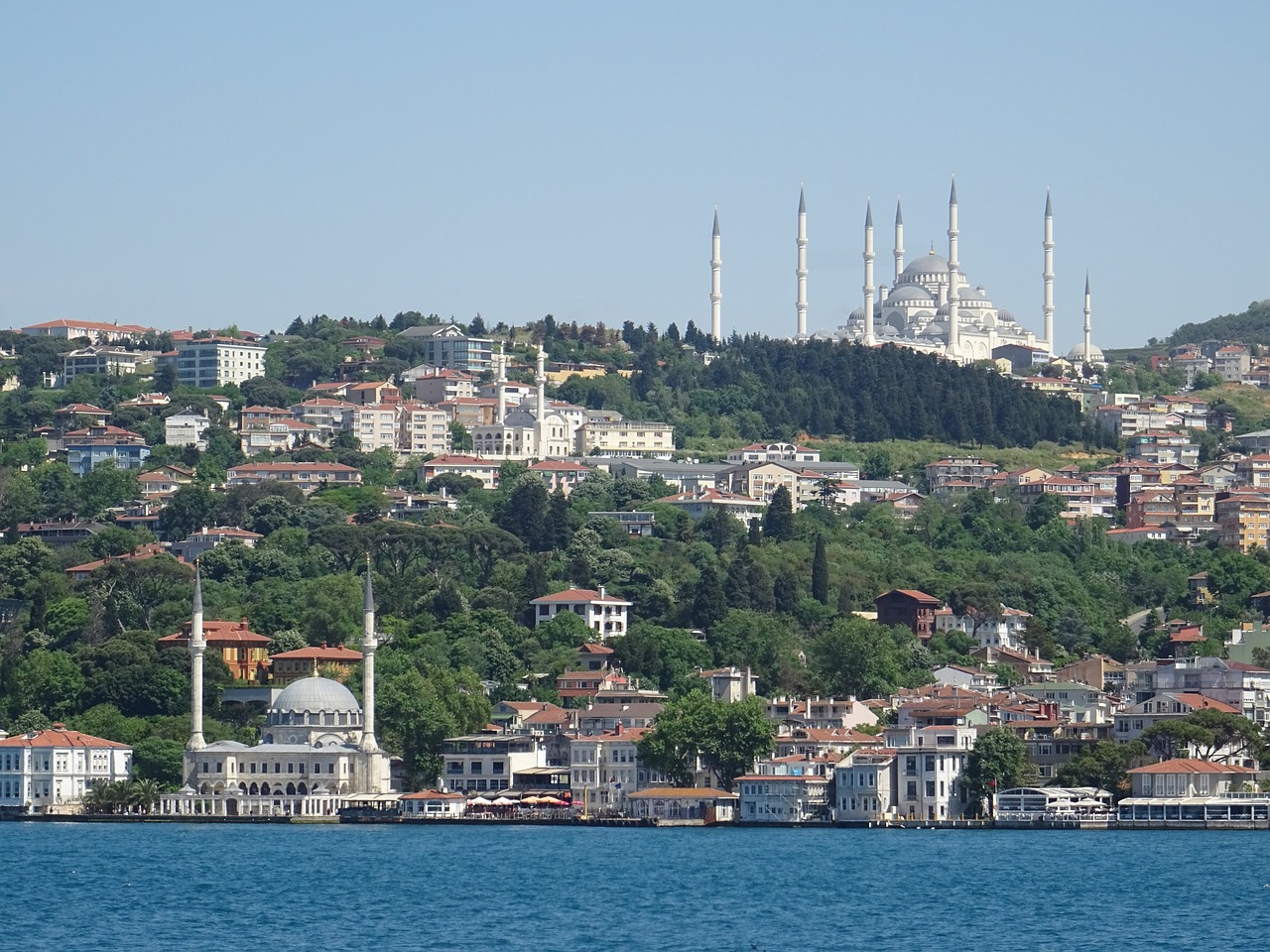
Istanbul, the largest city in Turkey, is a major cultural and economic hub that straddles Europe and Asia across the Bosphorus Strait. As a city with a rich history that has served as the capital of empires, Istanbul is pivotal in regional diplomacy and international relations. The city is home to key cultural landmarks, government institutions, foreign consulates, and international organizations, making it an essential destination for governmental and institutional visits. Istanbul's strategic location and its role as a bridge between continents further highlight its importance as a hub for high-level diplomatic engagements and global events.

Testimonials
Turkish President Recep Tayyip Erdogan: 'Istanbul is not only the heart of Turkey, but also a bridge between civilizations' (Source: Speech at the World Humanitarian Summit 2016). United Nations Secretary-General Antonio Guterres: 'Istanbul plays a critical role in addressing global challenges and fostering peace' (Source: Remarks during his visit to Istanbul in 2019). Former U.S. President Barack Obama: 'Istanbul's history and location make it a key player in global diplomacy and cooperation' (Source: Statement in 2014).
Importance of the GITT sector
Istanbul is recognized as a major center for diplomacy and international relations in Turkey and the broader region. Its strategic importance and cultural significance make it a vital location for governmental and institutional meetings, conferences, and high-profile global events.
Diplomacy and institutions
Istanbul hosts numerous consulates and international organizations, reflecting its significance as a global city. Key institutions, such as the United Nations, the European Union, and various non-governmental organizations, have offices in Istanbul, underscoring the city's role in global governance and regional cooperation.

Rail and conections
Istanbul's transportation infrastructure includes an extensive metro system, bus services, and private car options. The city's transportation network is well-developed, providing convenient access to key government buildings, cultural sites, and other important locations across both the European and Asian sides of the city.

Airports
Istanbul is served by Istanbul Airport (IST) and Sabiha Gokcen International Airport (SAW), both of which handle international and private flights. These airports provide secure facilities for official delegations, including VIP lounges and enhanced security protocols.

Venues
Istanbul offers a wide range of venues for high-level governmental and institutional events. The Istanbul Congress Center and the Ciragan Palace Kempinski Hotel are among the leading locations, equipped with state-of-the-art facilities and advanced security measures to host important meetings and conferences.
Economic, social and cultural impact of the sector on the destination
Governmental and institutional events contribute significantly to Istanbul's economy, particularly in the hospitality, transport, and service sectors. These events also enhance Istanbul's cultural standing and promote it as a center for international dialogue and cooperation.

Governmental events
Istanbul has hosted several significant international events, such as the World Humanitarian Summit in 2016 and the Istanbul Conference on Mediation. These events underscore Istanbul's role as a key venue for discussions on regional and global issues.

Sustenability and RSC
Istanbul is committed to sustainability and has implemented various initiatives to ensure that governmental events are environmentally responsible. Efforts include promoting the use of renewable energy in major venues and encouraging eco-friendly transportation options. These measures reflect Istanbul's commitment to sustainability in hosting international events.